Where can you legally camp in Reunion Island?+
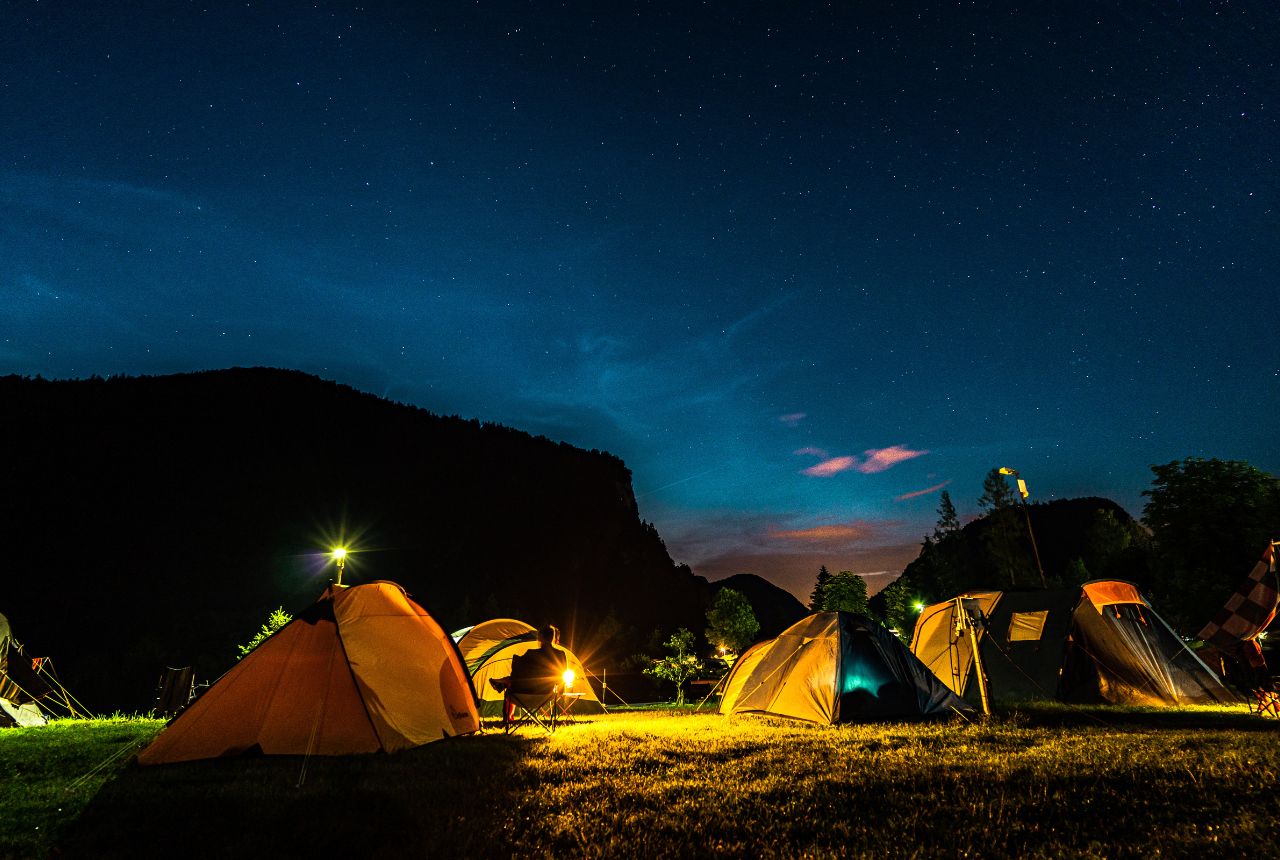
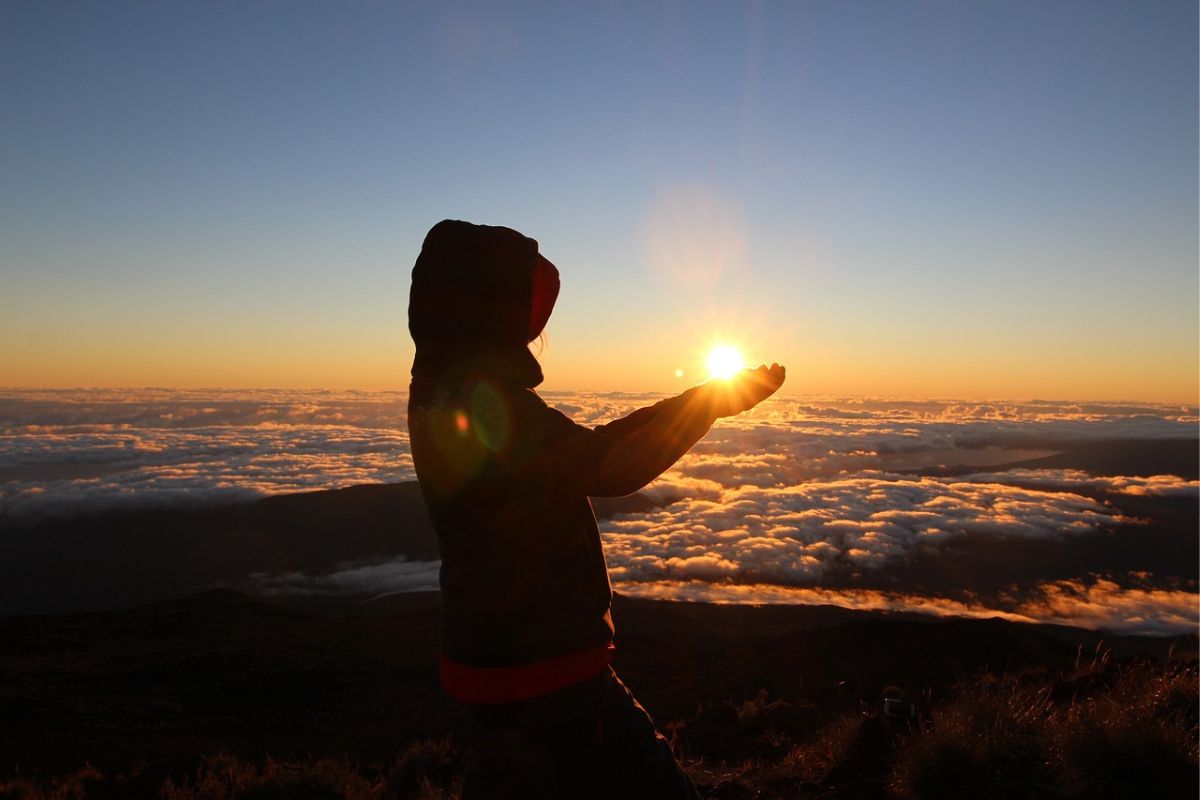
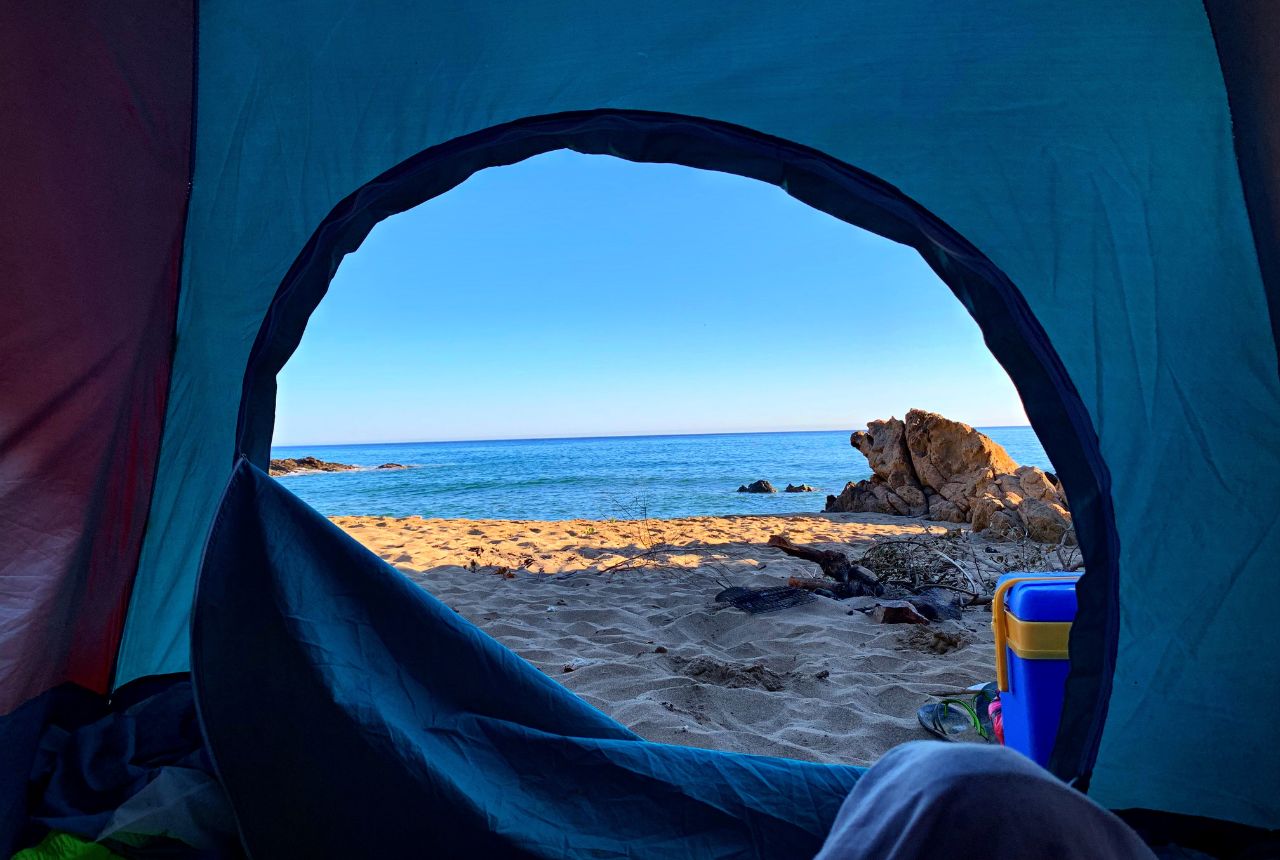
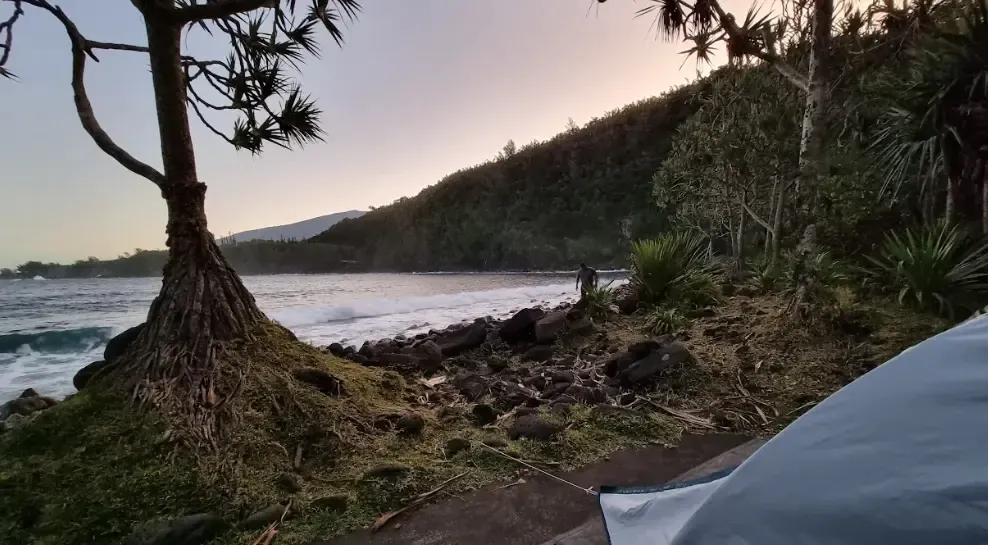
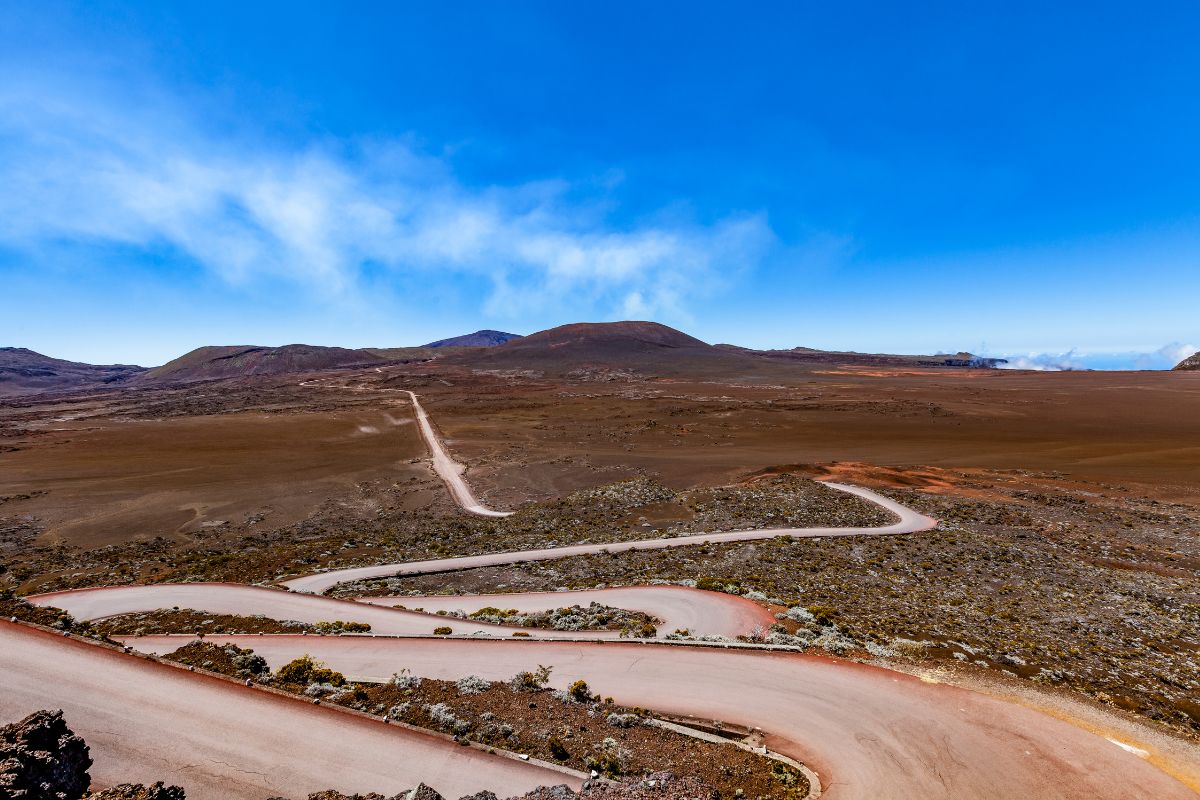
Wild camping outside marked zones is banned within Reunion Island's National Park (40% of the territory). The marked zones that allow wild camping between 6pm and 9am are: the summits (Piton des Neiges, Piton Maïdo, Pas de Bellecombe), the outskirts of Mafate gîtes, and certain high-altitude plateaus. The tolerated beaches (Pointe des Avirons, Ti Sable, Pointe de la Table, Boucan Canot) are open to campers who leave them clean. For a regular campsite, there are official ones at Étang-Salé, Cilaos and Hell-Bourg.
Is wild camping really allowed?+
Yes, but under strict conditions. Wild camping is tolerated within the National Park between 6pm and 9am, on marked zones only, with no fires, no litter left on site, and no gear left out during the day. Outside these zones, wild campers risk a fine. The aim is to balance access for hikers with protecting an environment that has been UNESCO-listed since 2010.
What's the best season for wild camping?+
The dry season, April to November, offers the best balance of stable weather, bearable temperatures and moderate waterfall flow. July-August, the coolest part of the year, brings the coldest nights at altitude (close to 0°C at Piton des Neiges) but the clearest skies for stargazing. December to March is cyclone season: avoid trips during weather alerts, though nights are warm at low altitude and the waterfalls are at their fullest.
What's the minimum gear needed for wild camping in Reunion Island?+
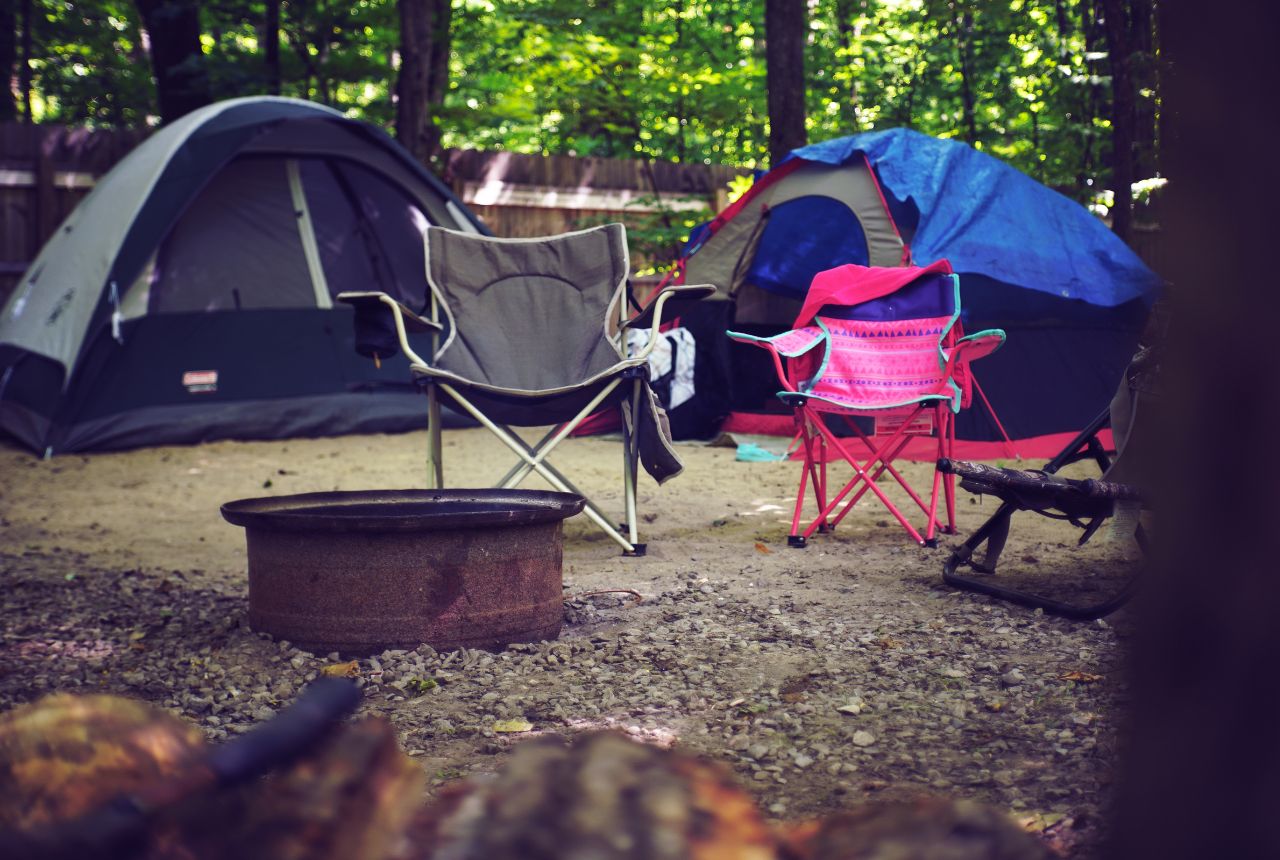
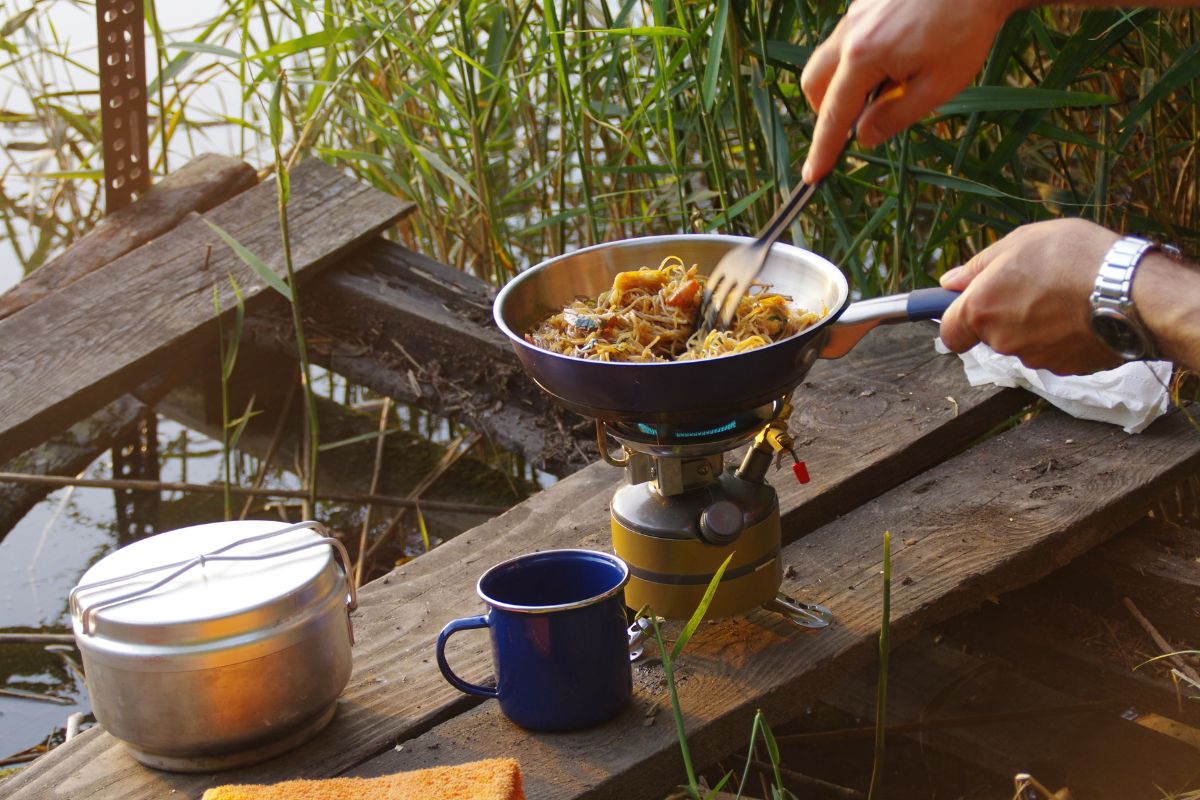
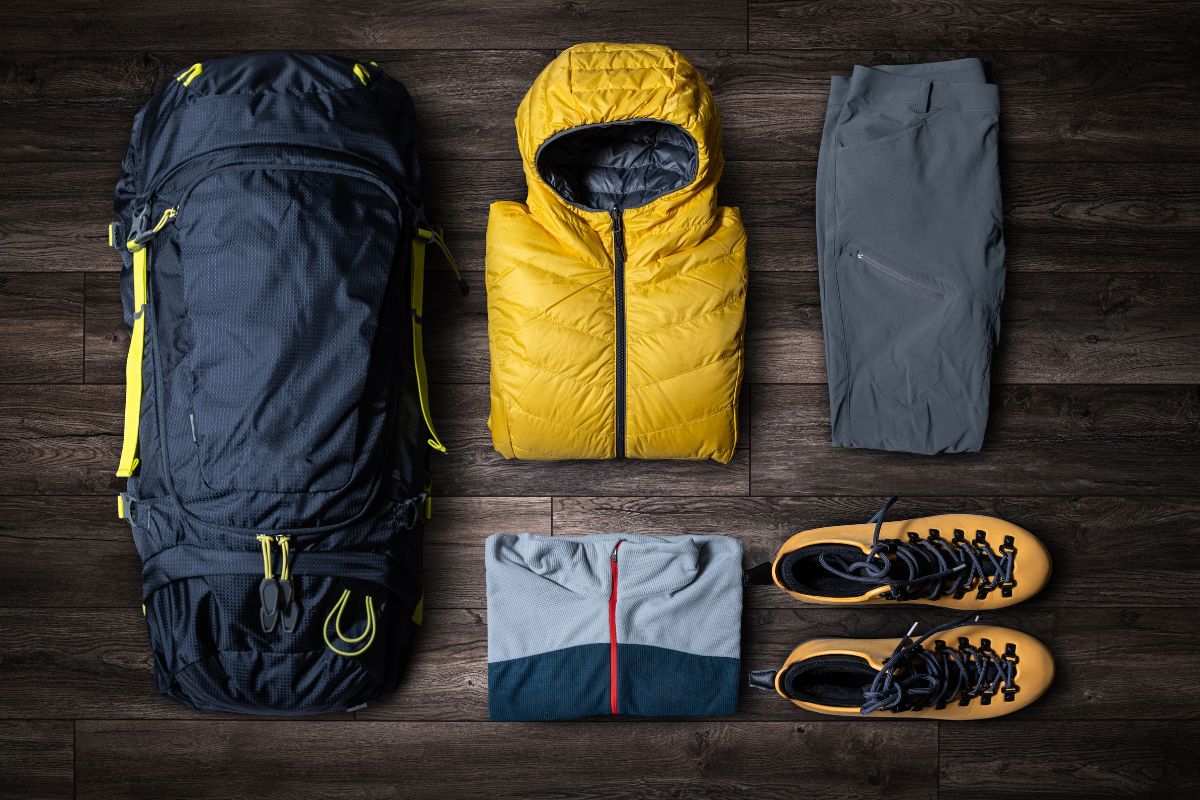
A lightweight 1-2 person tent or a tarp (1 to 2 kg), a 0/+5°C synthetic sleeping bag at altitude, a self-inflating mat, a screw-on gas stove with a 230 g cartridge, a 600 ml cooking pot, a strong head torch, layered technical clothing, a 40-50 L backpack. All told, 7 to 9 kg without food and water, which is comfortable to carry for 2 or 3 days. Full details on the hiking gear page.
Can you light a fire to cook or keep warm?+
No, it's strictly banned throughout the National Park and on the tolerated beaches. The rule applies year-round, not just in the dry season. Fire risk is high in the dry season, and the few accidental fires have caused massive damage (the 2010 Maïdo fire, 800 hectares). Cook only on a gas stove, never a wood fire or a barbecue, even a controlled one.
Is the spring water safe to drink?+
The springs in the highlands (Bébour, Bélouve, Grand Bénare, high-altitude plateaus) are remarkably clean, but you still need to treat or filter the water. The public water points in the hamlets of Mafate deliver water considered safe to drink. Three proven solutions: a Sawyer Squeeze pump filter, Micropur DCCNa tablets, or a Lifestraw Go filter bottle. Strictly avoid stagnant water and ravines downstream of grazing areas.
Do you need to book the Caverne Dufour refuge?+
Yes, you need to book 1 to 2 months ahead in high season (July-August and the French school holidays). The refuge is booked online through ONF partner operators, half-board at €40-50 per person (dinner, breakfast and a dormitory bed). The refuge is staffed in the tourist season, so you don't need to carry a stove or cook dinner on your first night on Piton des Neiges.
Can you go wild camping as a family with children?+
Yes, provided you pick suitable spots. Easy-access wild-camping spots (Maïdo by car plus 5 minutes, the facilities at Anse des Cascades, the tolerated west-coast beaches) suit families from around 6-8 years old. Leave the tougher Mafate treks and Piton des Neiges until children are 10 to 12. Family trips mean more to carry: a bigger tent, more food, a head torch and mat for everyone. Budget 2 to 3 extra kilos per adult.
How do you get to Trois Roches in Mafate?+
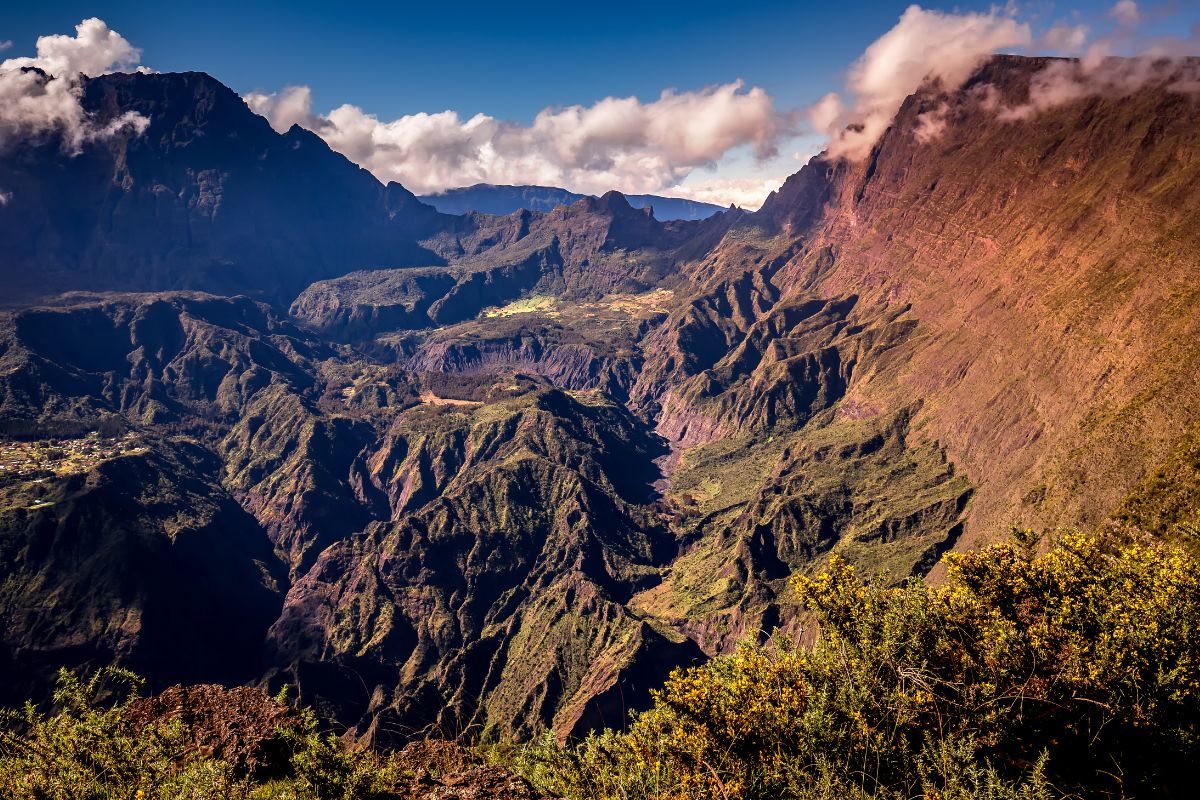
Trois Roches is reached on foot from Le Maïdo in 3 to 5 hours of descent on the classic Bras des Merles trail, or from Sans-Souci via the Rivière des Galets in 4 to 6 hours. There's no road into the Cirque de Mafate, the only cirque anywhere in France with no road at all. If you're not fit enough to hike, a helicopter flight is the alternative (from €190 per person). Once in the cirque, you can stay in hamlet gîtes and explore for 2 or 3 days.
Do rooftop tents work for wild camping in Reunion Island?+
Yes, perfectly, provided you can drive to the spot. Compact models such as Kailop or James Baroud rooftop tents unfold in under a minute on standard roof bars, sleep two in comfort, and cope fine with Reunion Island's roads. They're ideal for road trips combining beaches, highlands and plateaus. For Mafate, reachable only on foot, you're back to classic lightweight gear (a 1-2 kg tent, a sleeping bag, a mat).
What wildlife risks should you know about?+
There are no dangerous wild mammals in Reunion Island, and there never have been. The only wildlife issue is rats and feral cats drawn by food waste: harmless to people, but keep them away to protect endemic species. No native snakes, no dangerous scorpions. The real risks are the weather (rain, fog, wind) and the terrain (landslides after heavy rain, rockfall).
How much does a night of wild camping in Reunion Island cost?+
Nothing at all for wild camping in a marked National Park zone or on a tolerated beach. Budget €30 to €50 a night in a Mafate gîte on a half-board basis (dinner, breakfast and a dormitory bed), €40-50 in a staffed refuge at Piton des Neiges or Bélouve. The official campsites (Étang-Salé, Cilaos, Hell-Bourg) charge €15-25 for a two-person pitch. Buying your own gear pays for itself after 2 or 3 trips compared with renting.