Piton des Neiges hike on Reunion Island: routes, gîte and camping (2026)
At 3,070.5 m, it is the Indian Ocean's highest point. Everything you need: 2 routes (Cilaos or Hell-Bourg), the Caverne Dufour gîte (mountain refuge), camping, gear, weather and 5 hotels for the night before the climb.
3,070.5 m altitude1,730 m elevation gain8.5 hours return from CilaosLevel experienced hikers
Quick facts
Key figures for the ascent
Altitude
3,070.5 m (Indian Ocean's highest point)
Type
Dormant volcano, last erupted 12,000 years ago
Classic ascent
From Le Bloc in Cilaos
Elevation gain
1,730 m (Cilaos)
Return duration
8.5 hours (Cilaos)
Level
Difficult, experienced hikers
Halfway gîte
Caverne Dufour, 2,478 m
Best season
May to October
Piton des Neiges is a volcano that has been dormant for around 12,000 years; it built up the island over the Reunion hotspot. The summit stands at 3,070.5 m, the highest point in the Indian Ocean. For the active volcano, see the complete guide to Piton de la Fournaise.
2 possible routes
Cilaos or Hell-Bourg: choosing your start point
The classic ascent starts from Cilaos via Le Bloc, shorter and more accessible. The alternative via Hell-Bourg passes through Bélouve, longer and more demanding.
From Cilaos via Le Bloc
Start: Le Bloc, 1,600 mDuration: 8.5 hours returnDistance: 15.5 kmAscent: 1,730 mLevel: Difficult, good fitness required
The most popular route for the ascent. Start at the Le Bloc car park in Cilaos (the end of the forest road, at 1,600 m). A waymarked trail climbs steadily to the Caverne Dufour gîte (a mountain refuge at 2,400 m, 3 hours), then a final steep section leads to the summit (2.5 hours). The vast majority of hikers sleep at the gîte the night before to tackle the last stretch before sunrise.
From Hell-Bourg via Bélouve
Start: Hell-Bourg, 950 mDuration: 7 hours one way, 2 days recommendedDistance: 18 kmAscent: 2,350 mLevel: Very difficult, experienced hikers
The alternative for seasoned hikers who would rather start from the eastern side of the island. Starting from Hell-Bourg in the Salazie cirque, the climb follows the Sources Pétrifiantes trail then the Bébour-Bélouve forest. 2,350 m of elevation gain in a single day demands solid fitness. A night at the Caverne Dufour gîte before the final section is recommended.
5 stages to the summit
From Le Bloc to the summit, stage by stage
The classic ascent from Cilaos splits into 5 distinct sections, each with its own altitude, duration and atmosphere. A useful reference for tracking your progress on the trail.
1
Le Bloc (car park)
1,600 m
The end of the forest road from Cilaos. Free parking, limited capacity, arrive before 8am in high season. Composting toilets and an ONF (French forestry office) sign with a trail map. There is nowhere to buy food or water, so bring your own.
2
Plaine des Salazes
1,900 m
A plateau reached after a 1-hour climb, with cryptomeria forest and a flat 200 m stretch of trail. The first comfortable rest stop, with a water source at the intake (when it's flowing).
3
Caverne Dufour (gîte)
2,478 m
A high-altitude gîte run by ONF, open year-round. Booking is compulsory, on +262 262 51 26 00 or via fdh-payement.fr. Around €40 a night in a dorm, with a Creole meal. Book 2 to 4 weeks ahead in the dry season.
4
Summit ridge
2,850 m
Once you leave the high-altitude forest behind, a red, mineral landscape takes over. The trail turns rocky, sometimes exposed to wind. A head torch is essential for those setting off at 4am. In the last hour before the summit, the air noticeably thins.
5
Summit, Piton des Neiges
3,070.5 m
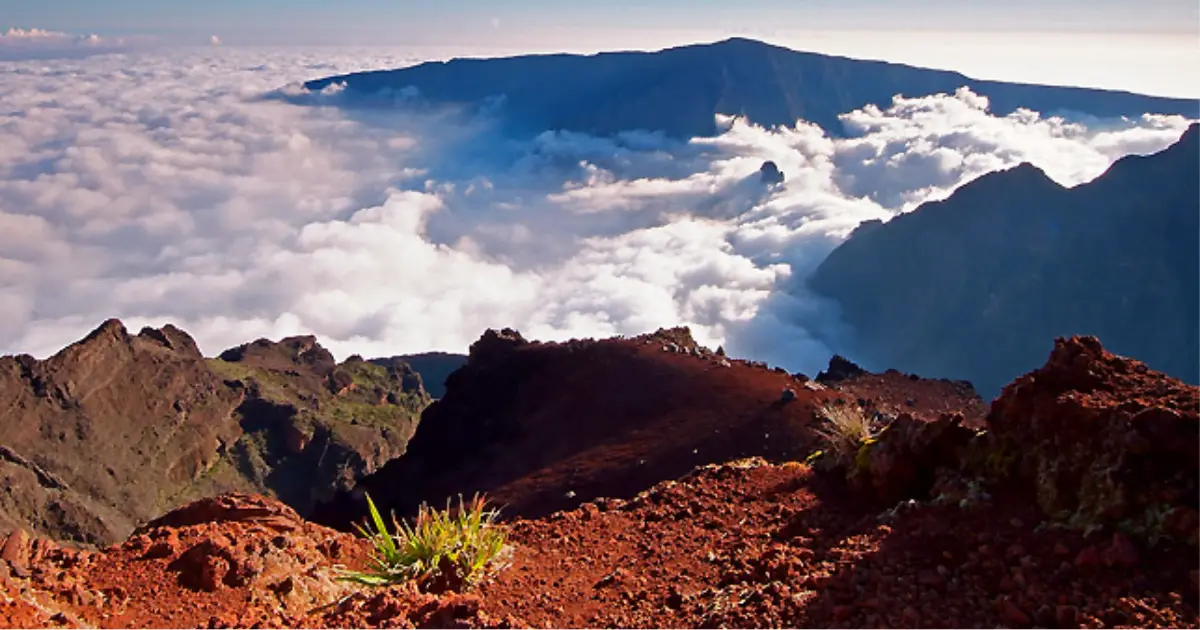
The Indian Ocean's highest point. There is a small marker hut and a viewpoint indicator. A 360° view over the three cirques (Cilaos, Mafate, Salazie) and the ocean, in clear weather. Sunrise over a sea of clouds remains the defining image.
The key stage
Caverne Dufour gîte, 2,478 m
For almost all hikers, the ascent is done over two days with a night at the Caverne Dufour gîte. It is run by ONF, open year-round and offers dorm beds with a Creole meal included. Around €40 per person; book well in advance.
Booking
ONF Réunion, +262 262 51 26 00
Or via fdh-payement.fr
Price
Around €40 per person
Creole meal included, dorm
Book 2 to 4 weeks ahead, more in July-August. The gîte fills up quickly in high season.
Gear
The essential kit
A rocky trail, altitude, night-time cold, a pre-dawn start: here are six essentials, to adapt to the season and to whether you do it in 1 or 2 days.
High-cut hiking boots
The trail is rocky from start to finish. Wear boots with a deep-lugged sole (Vibram or equivalent) and good ankle support. Lightweight trainers don't hold up on the rocky, broken summit ridge.
Warm clothing and a windbreaker
Summit temperature: 5 to 10°C in the dry season, 0 to 5°C before sunrise. Bring a thick fleece, gloves, a beanie and a waterproof windproof jacket. It stays cool on the descent down to 2,400 m.
A powerful head torch (high lumens)
For anyone setting off from the gîte at 3-4am, a head torch is essential. 150 lumens minimum, plus spare batteries. The trail has no reflective markers, so your torch is all that shows the way.
Water and supplies
2.5 to 3 L of water per person for the day. Energy bars, dried fruit, a sandwich for lunch at the summit. No supplies available between Le Bloc and the gîte (aside from an unreliable water source).
A 25-30 L backpack
A comfortable pack with a hip belt and chest strap. A foldable rain poncho is essential (afternoon storms in the wet season). For those sleeping at the gîte, add a light sleeping bag or a sleeping bag liner depending on what's booked.
Walking poles
Very useful on the descent, to spare your knees over 1,730 m of descent. Choose a folding, telescopic model, with rubber tips to protect the trail on rocky sections.
At the summit
What you can see from Piton des Neiges
A 360° view over the three cirques, the active volcano, the Indian Ocean and the shape of the island. The visual reward after 1,730 m of climbing, especially spectacular at sunrise.
The Mafate cirque to the north
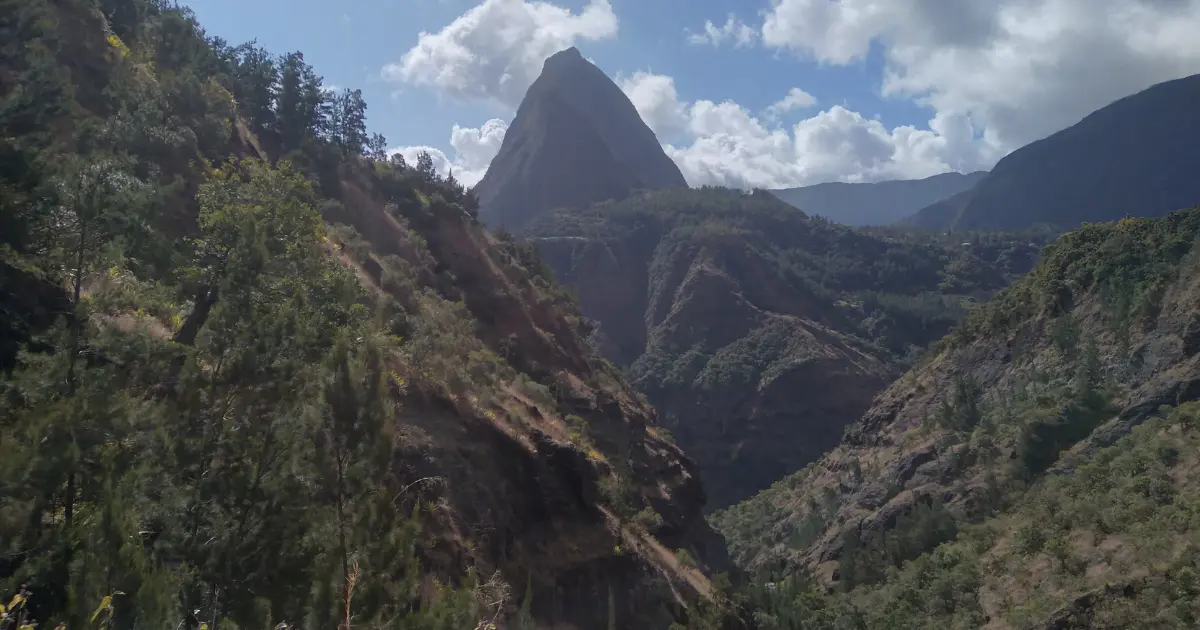
The roadless cirque spreads out below, with its inhabited hamlets (La Nouvelle, Marla, Roche Plate, Aurère). The ramparts enclosing the cirque are clearly visible, with Le Maïdo to the north-west. Anyone who has hiked Mafate on foot will recognise its landmarks from above.
The Cilaos cirque to the south-west
The village of Cilaos lies below, with the famous road of 400 bends winding down towards Saint-Louis. Piton des Salazes (2,380 m) is closer, with Roche Merveilleuse in the foreground. On a very clear day, you can see the ocean beyond Saint-Pierre.
The Salazie cirque to the north-east
Hell-Bourg lies below, the village listed among the Most Beautiful Villages of France. The Voile de la Mariée waterfall can just be made out to the east. The Bébour-Bélouve massif lies further off, a high-altitude primary forest.
Piton de la Fournaise to the south-east
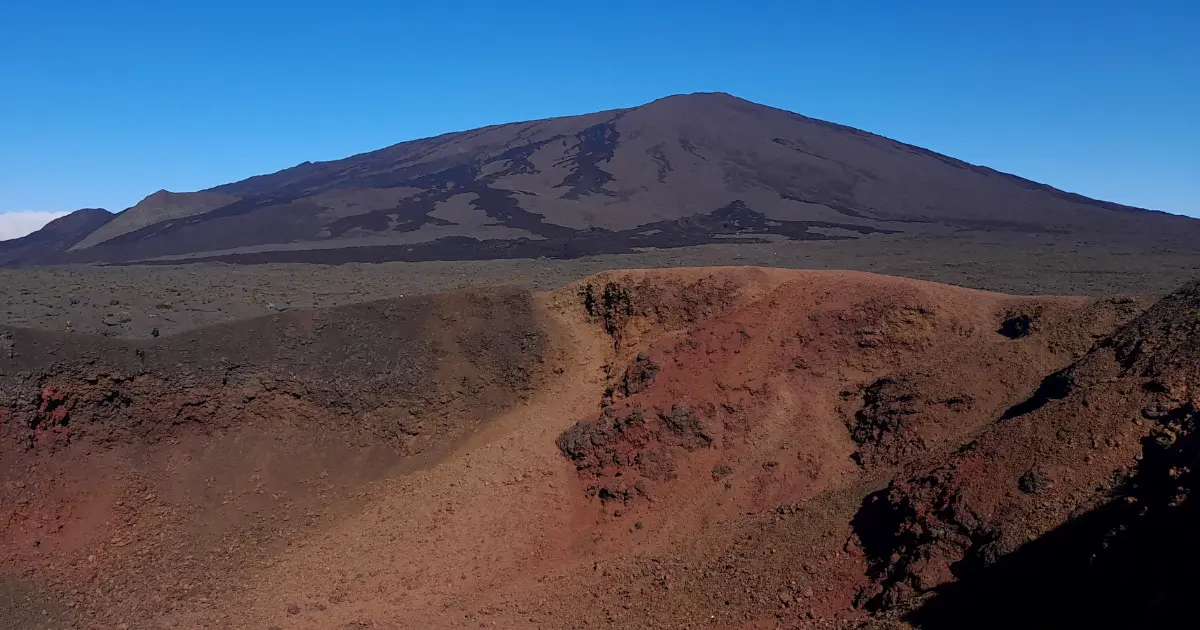
The active volcano, visible around 60 km away as the crow flies, a dark mass on the horizon. On a very clear day, the summit crater is visible. During a night-time eruption, the orange glow can be seen from the summit.
The Indian Ocean at 360°
The ocean horizon all around the island, seen from a vantage point unique in France's overseas territories. The west, south and east coasts are all visible in clear weather. It's also from here that you best grasp the island's overall shape, a slightly elongated oval.
Where to stay before the ascent
5 Agoda hotels in Cilaos and Salazie
Depending on which side you climb from: 3 places in Cilaos (starting from Le Bloc) and 2 in Salazie (starting from Hell-Bourg via Bélouve). From a €35 dorm bed to a €242 premium lodge.
Cilaos8.5 / 10 (52 reviews)
Gîtes le Matarum (dormitory)
A small 3-bed dormitory in the heart of Cilaos, for hikers on a tight budget. Shared kitchen, parking, quick access to the Le Bloc trailhead by local taxi. A hostel-style option for the night before the climb.
A guesthouse in the heart of the village of Cilaos, with a Creole welcome and highly regarded home cooking (table d'hôtes). The best value in the cirque, ideal for the night before or after the ascent.
A premium mountain lodge with stylish rooms overlooking the ramparts, a spa and a fine-dining restaurant. The upmarket place to recover after the descent, for anyone wanting real pampering after those 1,730 m.
Guest rooms right in the Salazie cirque, with an intimate atmosphere and a family welcome. A logical base, breakfast included, before setting off, for anyone choosing the Hell-Bourg ascent.
A spa hotel in the Salazie cirque with comfortable rooms, a pool and post-hike treatments. The upmarket option on the Salazie side for the Bélouve version of the ascent.
Agoda rates shown as of 25 September 2026 for 2 guests, 1 night. For a broader selection of upmarket hotels on Reunion Island, see the 4-5 star hotels list.
Panoramic alternative
The summit seen by helicopter
For anyone who can't manage the 1,730 m of climbing, a helicopter flight remains the best alternative to see the island's highest point up close. The 45-minute full-island tour includes passing over the summit, followed by Mafate and the active volcano.
A camper van to combine the ascent with a tour of the cirques
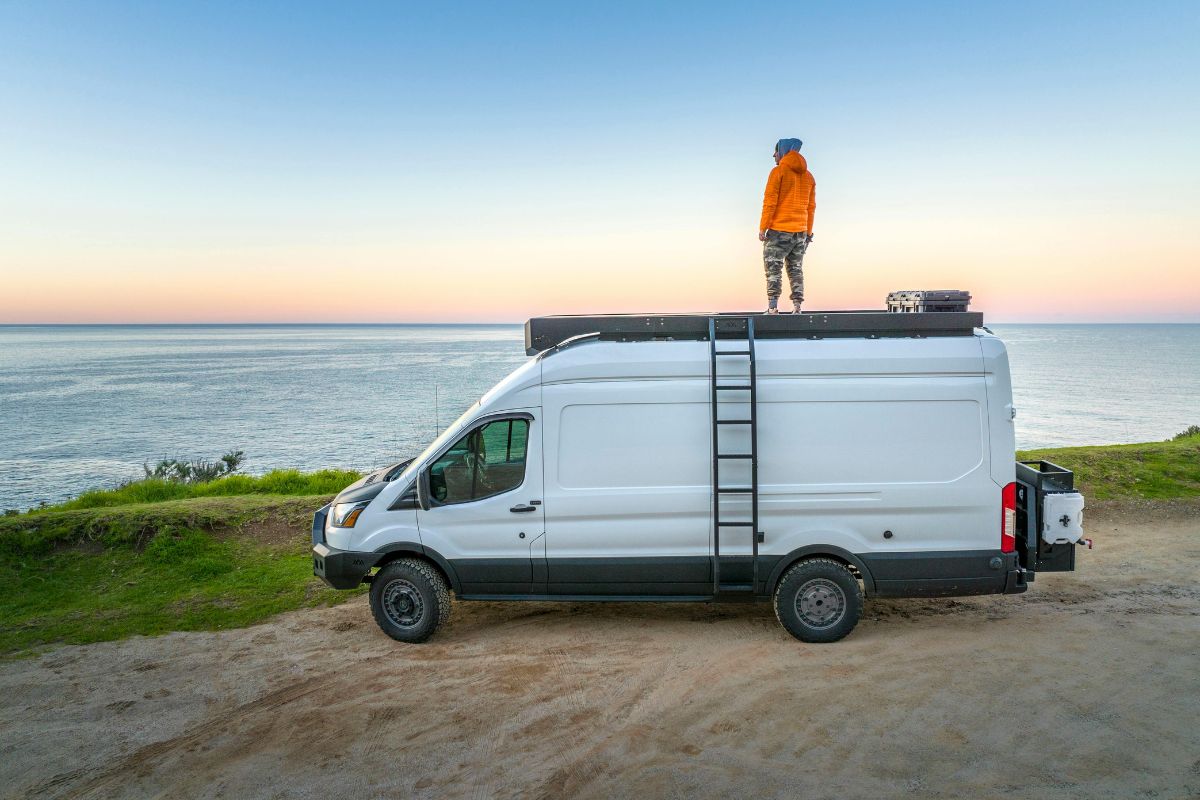
Park the van at Le Bloc (1,600 m) the night before, do the ascent the next day, sleep at the Caverne Dufour gîte, descend, then tour the Cilaos and Salazie cirques by van. Yescapa connects van owners with travellers, with delivery to Roland-Garros airport possible.
3,070.5 m. It's the highest point in the Indian Ocean, higher than any summit in Corsica and higher than any summit in France's overseas territories. A dormant volcano for around 12,000 years, with no precisely dated last eruption.
How long does the Piton des Neiges ascent take?
From Le Bloc in Cilaos, there and back in a day: 8.5 hours of actual walking (5 hours up, 3.5 hours down). From Hell-Bourg via Bélouve: 7 hours one way, 2 days recommended with a night at the gîte. For a sunrise summit: an overnight stay at the Caverne Dufour gîte is essential, setting off at 3-4am.
How much elevation gain does Piton des Neiges have?
From Le Bloc in Cilaos (1,600 m) to the summit (3,070 m): 1,730 m of elevation gain. From Hell-Bourg (950 m): 2,350 m. Almost all of the climbing happens on the way up, as the trail barely ever descends. The Cilaos side is shorter but steeper; the Salazie side is longer and more demanding.
Do you need to be an experienced hiker?
Yes, the trail is demanding. You need to be fit enough to handle 1,700 m of climbing and the same on the descent. There are no technical sections, but rocky stretches can easily twist an ankle. Some experience of high-altitude hiking helps. For occasional hikers, splitting the ascent over 2 days with a night at the gîte is far preferable.
How do you book the Caverne Dufour gîte?
Book through ONF Réunion on +262 262 51 26 00, or via the online portal fdh-payement.fr. Around €40 per person in a dorm, with a Creole meal included. Book 2 to 4 weeks ahead in the dry season, longer in July-August. The gîte fills up regularly.
Can you camp at the summit of Piton des Neiges?
Officially no, wild camping is regulated within the national park. In practice, short stays are tolerated (arriving late, leaving early, leaving no trace), especially within 200 m of the summit on the paved viewpoint area. Bring a sleeping bag rated to at least 0°C and gear that can cope with strong winds. See the dedicated camping spot guide on this site.
What is the best time of year for the ascent?
The dry season, from May to October: clear skies early in the morning, little rain, manageable temperatures. Recommended peak: June to September, for the clearest nights. January to March (wet season) is not recommended, with constant cloud at altitude, cyclone risk and a slippery trail. Sunrise remains the main goal either way.
What gear should you bring for the ascent?
High-cut hiking boots with aggressive lugs, warm clothing (fleece, gloves, beanie), a waterproof windbreaker, a powerful head torch (150 lumens minimum), 2.5 to 3 L of water, energy snacks, and walking poles are recommended. For those sleeping at the gîte, add a sleeping bag or a liner depending on what's booked. A rain poncho in the wet season.
Is Piton des Neiges suitable for families with children?
It is possible from around age 10-12 for children already used to high-altitude hiking. Below that age, the climb and distance are simply too much. For a first family hiking experience on Reunion Island, the Roche Merveilleuse trail (45 min, 200 m of elevation gain) or Mare à Joncs (45 min, flat) are better choices, both within the Cilaos cirque with open views.
What can you see from the summit?
In clear weather, a 360° view over the three cirques (Cilaos to the south-west, Mafate to the north, Salazie to the north-east), Piton de la Fournaise 60 km to the south-east, and the ocean all around. Sunrise over a sea of clouds covering the lower half of the island remains the iconic scene. A small marker hut sits at the exact 3,070.5 m point.
Is there any wildlife to worry about on the trail?
No, none at all. Reunion Island has no venomous snakes and no dangerous mammals. A few tenrecs (Madagascan hedgehogs) and papangues (Reunion Island's endemic buzzard) can be spotted on the trail. Wild goats are rare above 2,500 m. Stray dogs from the cirques don't come up onto the trail.
Can you do the ascent at night for sunrise?
That's actually the classic approach. Set off from the Caverne Dufour gîte at 3am or 4am with a head torch for 2.5 hours of climbing to the summit, with sunrise around 6am in the dry season. For anyone attempting it from Cilaos in a single day, it's doable but means setting off around midnight, which remains physically very demanding.