North
Saint-Denis
26°Partly cloudy
Humidity 56%
Wind 10 km/h
Forecast: next hours and 5 days
Next hours
15:0026°
18:0023°
21:0022°
00:0020°
03:0020°
Next days
Sat27°19°
Sun26°19°
Mon27°20°
Tue28°21°
Wed27°22°

Two opposite seasons, four areas with genuinely different climates, and cyclone risk from January to March. This page brings together everything you need to know to plan your trip without surprises.
Weather on Reunion Island is far from uniform: at the same moment it can be 28°C on the west-coast lagoon and 3°C at the summit of Piton des Neiges, blue sky in Saint-Leu and pouring rain in Sainte-Rose. To plan ahead, see also the guide to the best time to visit Reunion Island, which details the best windows for each type of trip.
Automatic readings for the island's four main areas (north, west, east, south), plus the weather for any of its 24 towns. Current conditions and the next few days, proof that Reunion Island's weather never comes down to a single number.
Reading taken on 25 September at 12:00, Reunion Island time. Data from MET Norway, refreshed automatically every 30 minutes. For 7-day forecasts and official cyclone alerts, check Météo-France Réunion.
Reunion Island sits in the southern hemisphere, at 21° latitude in the south-west Indian Ocean. Its seasons are therefore the reverse of Europe's and North America's: the hot, wet austral summer runs from November to April, and the cool, dry austral winter runs from May to October.
What sets the island apart is its extreme volcanic relief: 3,070 m of altitude at Piton des Neiges, less than 30 km from the coast. This creates up to 5 microclimates within the same time zone, with rainfall ranging from Saint-Leu (1,000 mm/year) to six times that in the massifs near the volcano (6,000 mm/year).
The rest of this page covers the 2 seasons, the 4 main climate areas, all 12 months with their own characteristics, the 4 cyclone alert levels, and reliable weather sources to check before and during your trip.
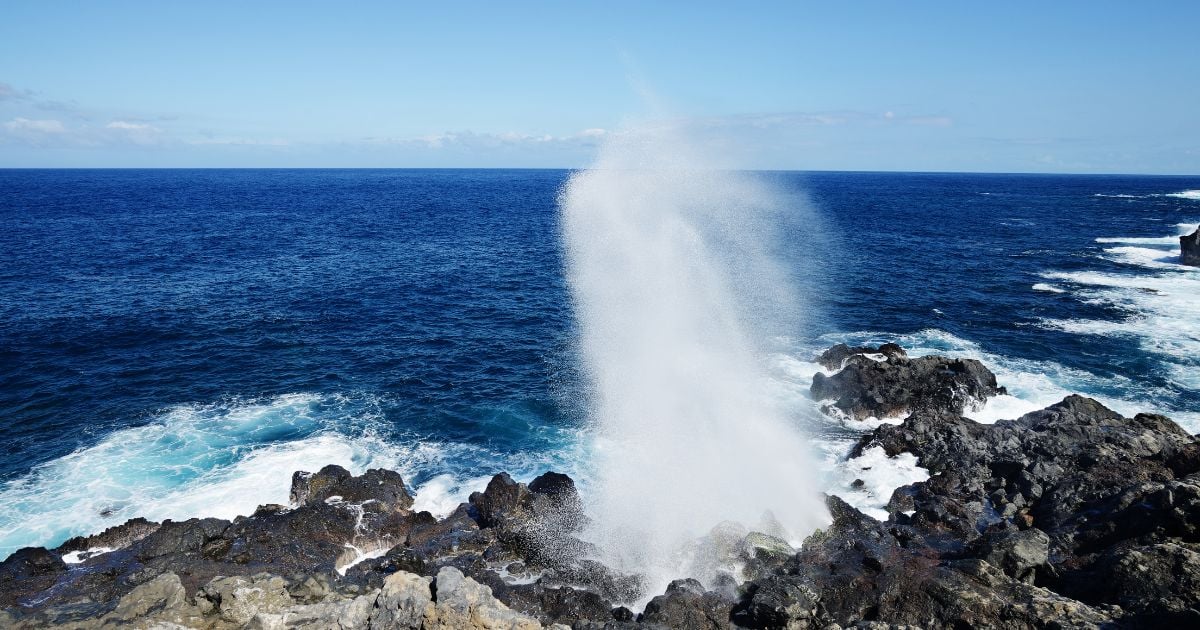
A dry west, a wet east, the cool Hauts (the island's uplands) and a wild south. Four clearly distinct climate profiles on an island just 70 km long.
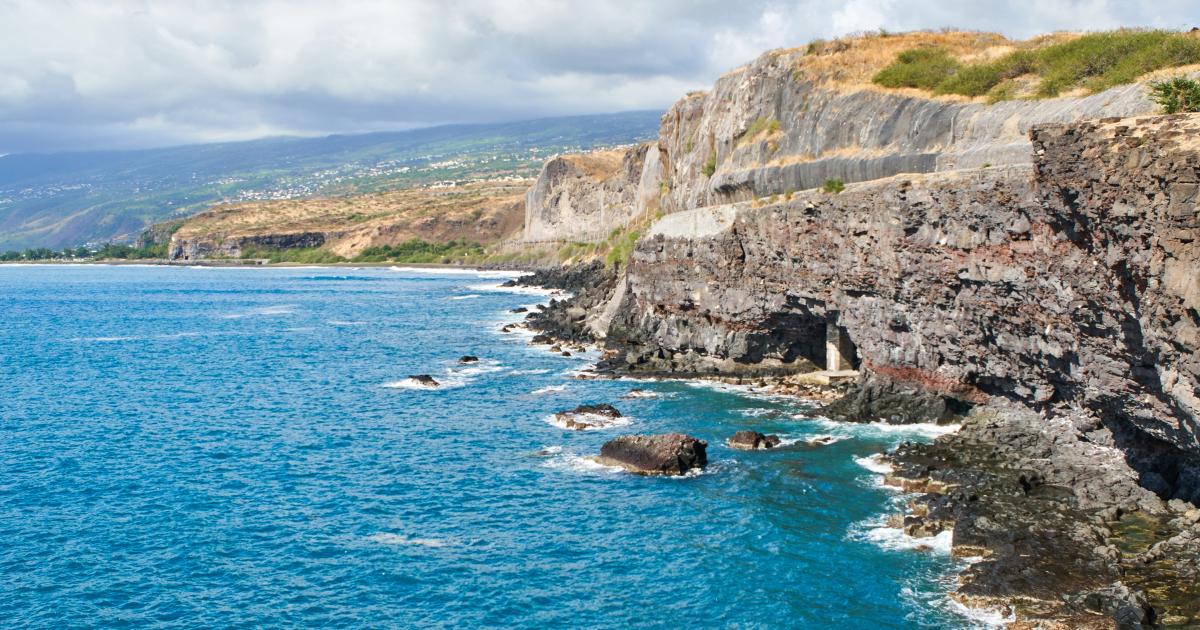
The dry, sunny side of the island, sheltered from the wet trade winds by the interior massifs. A lagoon protected by the coral reef, with water between 24 and 28°C year-round. The most stable climate for a beach holiday.
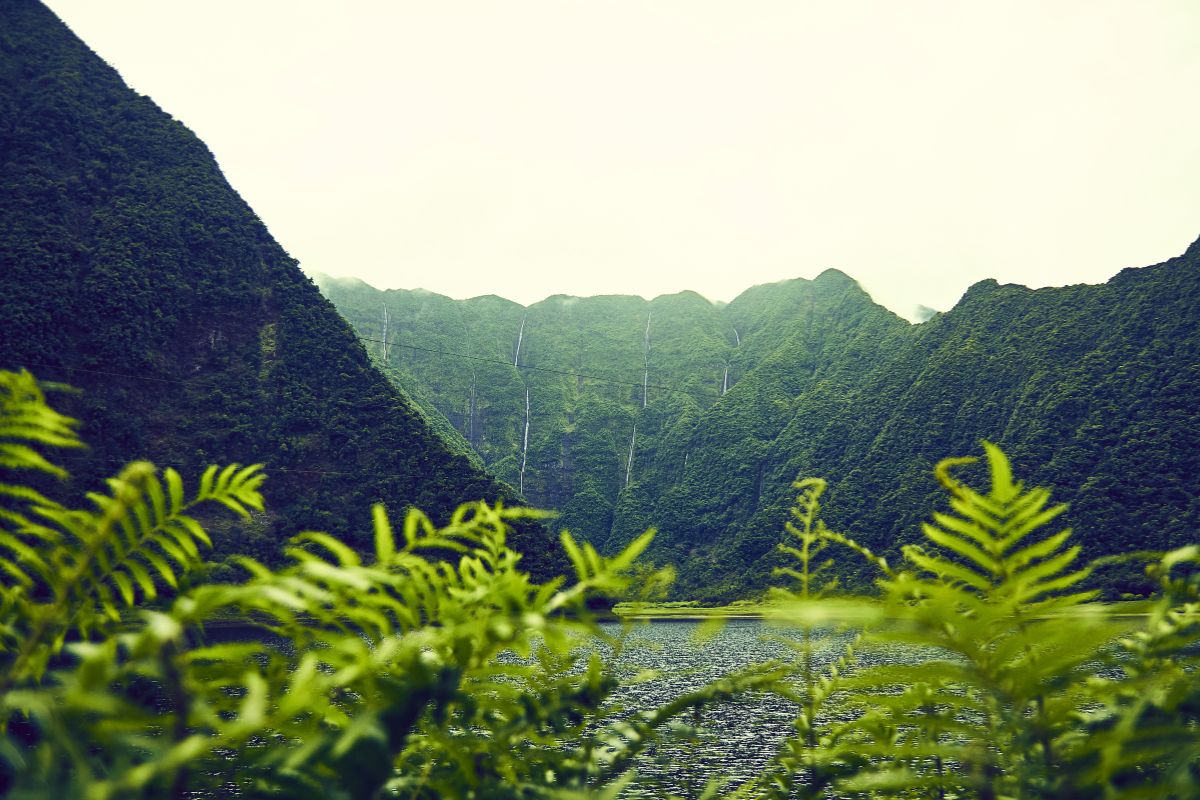
The side exposed to the wet trade winds coming off the Indian Ocean. Lush vegetation, numerous waterfalls, vanilla and sugar cane. A less sunny but milder climate, with frequent showers even in the dry season.
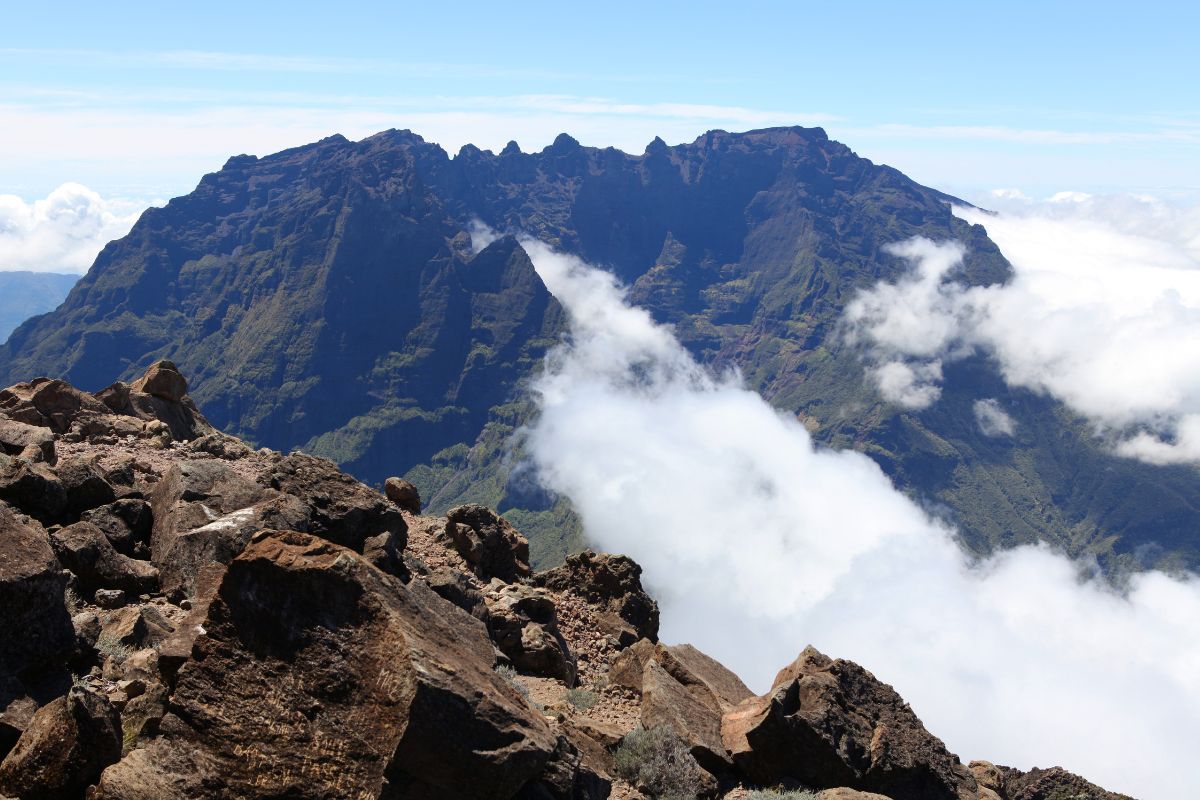
A tropical mountain climate: crisp nights, mild days in the austral winter, exceptionally clear skies. Rain falls mostly on the exposed (north and east) slopes; Cilaos remains relatively sheltered in the dry season.
A climate between the dry west and the wet east. Exposed to the southern swell, windier than the west coast, a rawer feel. The waterfalls of the south (Langevin, Grand-Galet) flow year-round thanks to rain in the Hauts above Le Tampon.
Because Reunion Island is in the southern hemisphere, its seasons are reversed. Summer starts in November and ends in April; winter runs from May to October.
The hot, wet season. Coastal temperatures between 22 and 30°C, lagoon water at 27-28°C. This is also cyclone season: 6 to 9 tropical systems a year in the south-west Indian Ocean, 1 or 2 of which come close to the island. Brief but intense midday showers, heavy skies in the late afternoon.
The dry, mild season. Coastal temperatures between 16 and 27°C, lagoon water at 23-25°C. No cyclone risk. Perfect trails, clear skies, humpback whale watching from June to October. The driest month: September. Peak crowds in July-August (French school holidays).
Air and sea temperatures, rainfall, sunshine and cyclone risk for every month on the west coast. Click a month for the full monthly guide.
| Month | Season | Temp. | Sea | Rain | Sun | Cyclone | Verdict |
|---|---|---|---|---|---|---|---|
| January | Summer | 23-30°C | 28°C | 280 mm / 17 days | 7 hrs | high | Very hot, cyclone peak |
| February | Summer | 23-30°C | 28°C | 320 mm / 18 days | 6.5 hrs | high | The wettest month |
| March | Summer | 22-29°C | 28°C | 250 mm / 16 days | 7 hrs | high | Still wet, end of season |
| April | Summer | 21-28°C | 27°C | 130 mm / 10 days | 7.5 hrs | moderate | Transition, Easter holidays |
| May | Winter | 19-27°C | 26°C | 110 mm / 8 days | 8 hrs | low | Start of dry season, ideal |
| June | Winter | 18-25°C | 25°C | 60 mm / 6 days | 8 hrs | none | Cool, whale season begins |
| July | Winter | 17-24°C | 24°C | 50 mm / 5 days | 8.5 hrs | none | Whale peak, high season |
| August | Winter | 17-24°C | 24°C | 50 mm / 5 days | 8.5 hrs | none | Dry and cool, whales |
| September | Winter | 18-25°C | 24°C | 40 mm / 5 days | 9 hrs | none | The driest month of the year |
| October | Winter | 19-26°C | 25°C | 50 mm / 5 days | 9 hrs | low | Dry, the sea starts warming |
| November | Summer | 21-27°C | 26°C | 110 mm / 9 days | 8.5 hrs | moderate | Transition, rain returns |
| December | Summer | 22-29°C | 27°C | 220 mm / 14 days | 7.5 hrs | moderate | Austral summer, rainy festive season |
Average figures for the west coast (Saint-Gilles). Rainfall is higher on the east coast and in the Hauts.
The south-west Indian Ocean sees 6 to 9 tropical systems a year, 1 or 2 of which affect Reunion Island. The official alert system is run by Météo-France Réunion. Here's the scale and what to do at each level.
Status: Pre-alert 24 to 48 hours ahead. The system is approaching, but conditions are still normal.
What to do: Follow Météo-France bulletins, stock up on groceries, secure outdoor equipment.
Status: Strong winds and heavy rain imminent. Life slows down, some services close.
What to do: Limit travel, move vehicles away from ravine banks, bring in animals and outdoor furniture.
Status: Active cyclonic winds. Going outside is strictly forbidden, flights suspended, schools closed.
What to do: Staying indoors is compulsory. No travel on the roads. Follow the radio.
Status: After the cyclone has passed. Residual risks: closed roads, fallen power lines, landslides.
What to do: Avoid going out for 12 hours after the alert is lifted, and take care around ravines and mudslides.
While on the island, check the official bulletin on meteofrance.re before every trip to sea or into the mountains during cyclone season. Commercial flights are systematically suspended under a red alert (Air Austral, Corsair, Air France, French Bee).
Three go-to sources for forecasts, official alerts and marine weather. All free and well maintained.
Article updated in September 2026.