Guided Hikes in Reunion Island with a Local Guide: Mafate, Piton des Neiges, Trou de Fer
Mafate, Piton des Neiges, the volcano, Trou de Fer, La Chapelle Cilaos: the iconic routes with a certified local guide.
The top-rated listings in this category
Sorted by weighted rating and number of reviews. Click a listing to see full package details, prices and operators.
Guided Hike in Mafate, Reunion Island: Level, Packages, Prices
Guided hiking in the Mafate cirque from €55. Several packages (from Maïdo, Cayenne or an authentic immersion). 4.9/5 from 18 Manawa reviews.
from €55 / person★ 4.9(37)Piton de la Fournaise Hike with a Guide
5 guided hiking packages on Piton de la Fournaise from €55, comparing Manawa and Viator, 4.9/5 from 47 verified reviews.
from €55 / person★ 5.0(103)Trou de Fer Hike via Bélouve
A guided hike to Trou de Fer waterfall from Bélouve forest, from €50. 3 packages (Manawa and Viator), 4.9/5 from 14 verified reviews.
from €50 / person★ 4.8(25)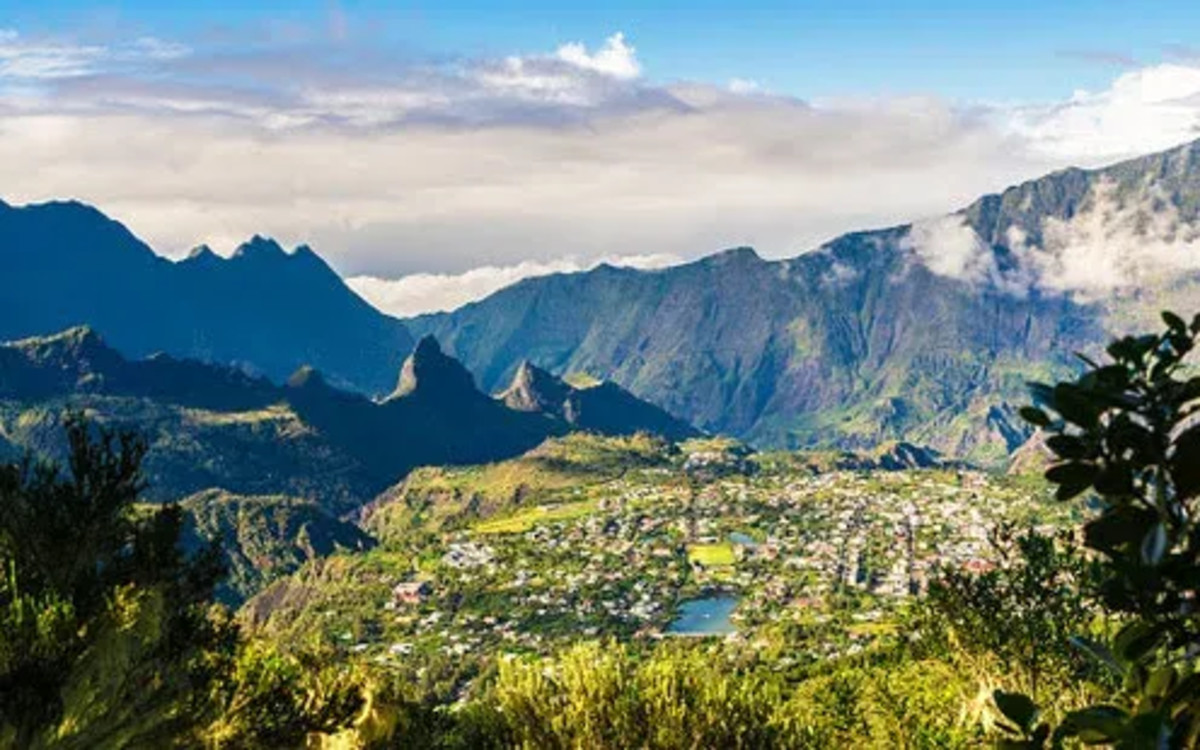
La Chapelle Hike, Cilaos
A guided hike to La Chapelle from Cilaos from €50 with Otenthike (Manawa) or €67 with Bureau Montagne Réunion (Viator). A geological treasure at the foot of Piton de Sucre, a 5h walk.
from €50 / person★ 5.0(5)Piton des Neiges Ascent from Cilaos
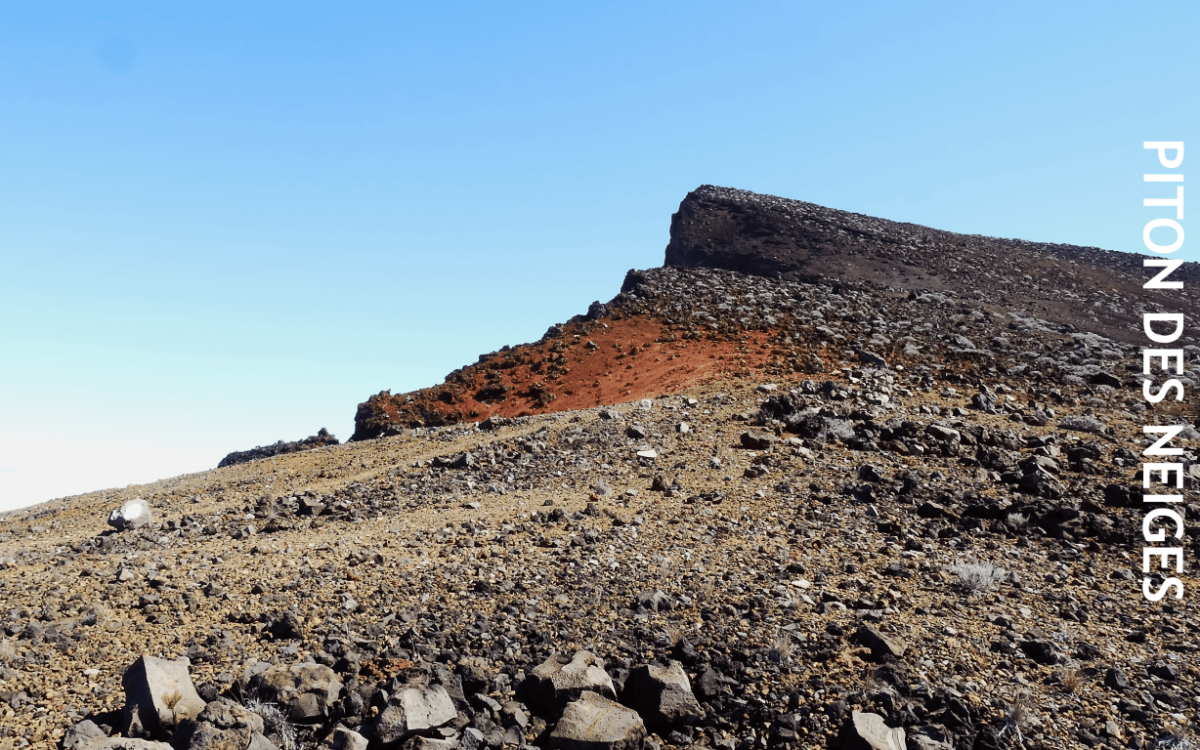
A guided ascent of Piton des Neiges (3,070m, the Indian Ocean's highest point) in 1 day from Cilaos with Otenthike (Manawa), from €50 per person.
from €50 / person★ 4.0(2)Grand Bénare Hike from Maïdo
A guided ascent of the Grand Bénare (2,898 m, Reunion Island's 3rd highest summit) from the Maïdo, a guided half-day from €50 or a private day from €287.
from €50 / person★ 5.0(1)



Guided Hiking in Reunion Island: what to know
Reunion Island has over 900 km of marked trails, but the most striking routes (Mafate via the GR R2, the ascent of Piton des Neiges, Trou de Fer from Bélouve, a traverse of the volcano) are best done with a local guide. A guide brings a geological reading of the landscape, knowledge of the day's conditions (exposed sections, weather, huts open or closed), safety on technical sections, and the stories you won't find in any guidebook.
The guided hikes offered on the site cover the great classics. Piton de la Fournaise from Pas de Bellecombe, crossing the Enclos Fouqué and climbing the Dolomieu crater (5 to 6 hours, a moderate level). Mafate via Îlet Cayenne, descending into the island's wildest cirque, with an overnight stay in a local gîte possible. Trou de Fer from Bélouve, a hike through primary forest to the viewpoint over the island's tallest waterfall. La Chapelle in Cilaos, a technical descent to the rock sanctuary at the bottom of the cirque. Grand Bénare at Le Maïdo, one of the finest panoramas over Mafate.
Level and preparation. Most of the guided hikes on the list are moderate level (5 to 7 hours, 600 to 1,000 m of elevation gain). The ascent of Piton des Neiges (3,070 m, the roof of the Indian Ocean) requires a good level and is often done with a night at the Caverne Dufour gîte to reach the summit at sunrise. Basic gear: hiking boots, a 30-litre backpack, water (2 litres minimum), a windbreaker, a head torch for early starts. Prices range between €50 (a half-day) and €150 (a full day) depending on the route.
Everything you need to know before booking
Season, level, budget, gear, safety: the essential points to plan your hike with confidence.
Season and conditions
Dry season (May-October): the best conditions, clear skies in the morning, dry trails, temperatures of 10-20°C at altitude. Wet season (November-April): frequent afternoon cloud cover, sometimes muddy trails. Active cyclone season (January-March): avoid outings at altitude. Always check the Météo-France Réunion forecast (the official weather service) the day before.
Level and preparation
Easy (3-5 hours, little elevation gain): Trou de Fer Bélouve, the coastal path. Moderate (5-7 hours, 600-1,000 m of elevation gain): Mafate Îlet Cayenne, the volcano, La Chapelle. Difficult (8 hours or more, over 1,000 m of elevation gain): Piton des Neiges, a cirques traverse, Grand Bénare. Plan for some physical preparation beforehand, especially for altitudes above 2,500 m.
Budget
A supervised half-day hike: €50-80. A full day: €80-150. A 2-day Piton des Neiges ascent with a gîte: €150-250. A guided multi-day wild-camping trip in Mafate: €200-400 depending on the number of nights. The gîte cost (Caverne Dufour): €25-30 a night excluding the guide. More affordable in a group (a minimum of 4-6 people is often requested).
Mandatory gear
Hiking boots with a good grip (anti-slip on basalt), a 25-35 litre backpack, at least 2 litres of water, a windbreaker and a fleece (temperatures drop at altitude), a head torch, sun cream, a cap or beanie, poles useful on descents. The guide provides a first-aid kit and a map. For wild camping: a sleeping bag, a mat, cooking gear, a lamp.
Safety and alerts
Always set out with an IGN map (the official French survey map) or a local guide. Check the daily Météo-France forecast. Never enter a canyon or head up a ravine without a guide. Certified guides (AMM, BE or BEES, the French state mountain qualifications) carry professional civil liability insurance. In an emergency, call 112 or 15 (SAMU, the emergency medical service). PGHM (mountain rescue gendarmerie) helicopters can reach most areas.
Booking gîtes ahead
The Caverne Dufour gîte (Piton des Neiges): book 3-6 months ahead in peak season, 4-8 weeks off-season. Mafate's gîtes (Marla, La Nouvelle, Roche Plate, Aurère, etc.): book directly by phone, generally 2-4 weeks ahead. Guides can handle the gîte logistics if you book through their full packages.
The island's key areas
The main areas for guided hikes. Click an area to filter the search tool by that location.
Cirque de Mafate
The wildest cirque, accessible only on foot. Inhabited îlets, or hamlets (Marla, La Nouvelle, Roche Plate, Aurère, Cayenne). Hikes over 2 to 5 days with nights in local gîtes. Authentic, remote, spectacular landscapes.
Cirque de Cilaos
Reachable by car via the road of 400 bends. Hikes to Piton des Neiges (3,070 m, the summit), La Chapelle (a basalt monolith), Bras Rouge, the Col du Taïbit. An inhabited village, plenty of gîtes, the starting point for the major ascents.
See activities in this areaPiton de la Fournaise
An active volcano you can drive up to as far as Pas de Bellecombe. Cross the Enclos Fouqué, climb to the Dolomieu crater or walk a crater loop. Unique volcanic landscapes, an 11-15 km trail, a moderate level.
See activities in this areaBélouve Forest / Trou de Fer
Primary forest of cryptomeria and tamarind trees in the Hauts, the island's highlands. A viewpoint over the island's tallest waterfall (725 m). An easy-to-moderate hike, accessible for families with a guide. A humid climate.
Le Maïdo / Grand Bénare
A panoramic viewpoint over Mafate (2,200 m). A hike to Grand Bénare (2,898 m) in a 6-8 hour round trip. A spectacular sunrise. Reachable by car from Saint-Paul.
See activities in this areaYour questions about guided hiking in Reunion Island
Why take a guide to hike in Reunion Island?
What's the most accessible guided hike in Reunion Island?
How does the ascent of Piton des Neiges work?
What season is best for hiking in Reunion Island?
What gear do you need for a guided hike in Reunion Island?
Mafate: how do you get into the cirque?
Do you have to sleep in a gîte to climb Piton des Neiges?
Is wild camping allowed on Reunion Island's trails?
Are there guided hikes suitable for families?
A local Reunion Island guide to plan your stay
An independent site based in Reunion Island. Every listing compares packages from several partner platforms (Manawa, Funbooker) at the operator's official price, with no extra cost to you. Activities, accommodation and travel advice to build your itinerary.