Updated October 2026

Bras Rouge Waterfall in Cilaos

Located in the Cilaos cirque at 1,000m elevation, the waterfall takes its name from its iron oxide-rich water with reddish reflections. Reachable via a 2-3 hour hike or a guided canyoning trip from €70. The complete guide.

2-3 hround tripFreeto hike~€70canyoning

Bras Rouge waterfall is one of the iconic sites in the Cilaos cirque. Its name comes from the reddish reflections in its water, caused by dissolved iron oxide that stains the surrounding rock walls. The site combines striking scenery with reasonable accessibility, making it one of the cirque's most popular hikes.

Here is the complete guide: access from Saint-Pierre via the 400 bends, the Sentier des Porteurs hike, guided canyoning, safety tips and the site's backstory.

Rocks stained red by iron oxide near Bras Rouge waterfall
Quick facts

Everything you need to visit

  • Location
    Cilaos cirque
  • Elevation
    ~ 1,000 m
  • Distance from Saint-Pierre
    50 km, ~1 hr 20 min
  • Hike difficulty
    Easy to moderate
  • Round trip
    2-3 hours
  • Elevation gain
    ~ 300 m
  • Swimming
    Dry season
  • Hike cost
    Free
Getting there

Step-by-step route from Saint-Pierre

01

The 400 bends

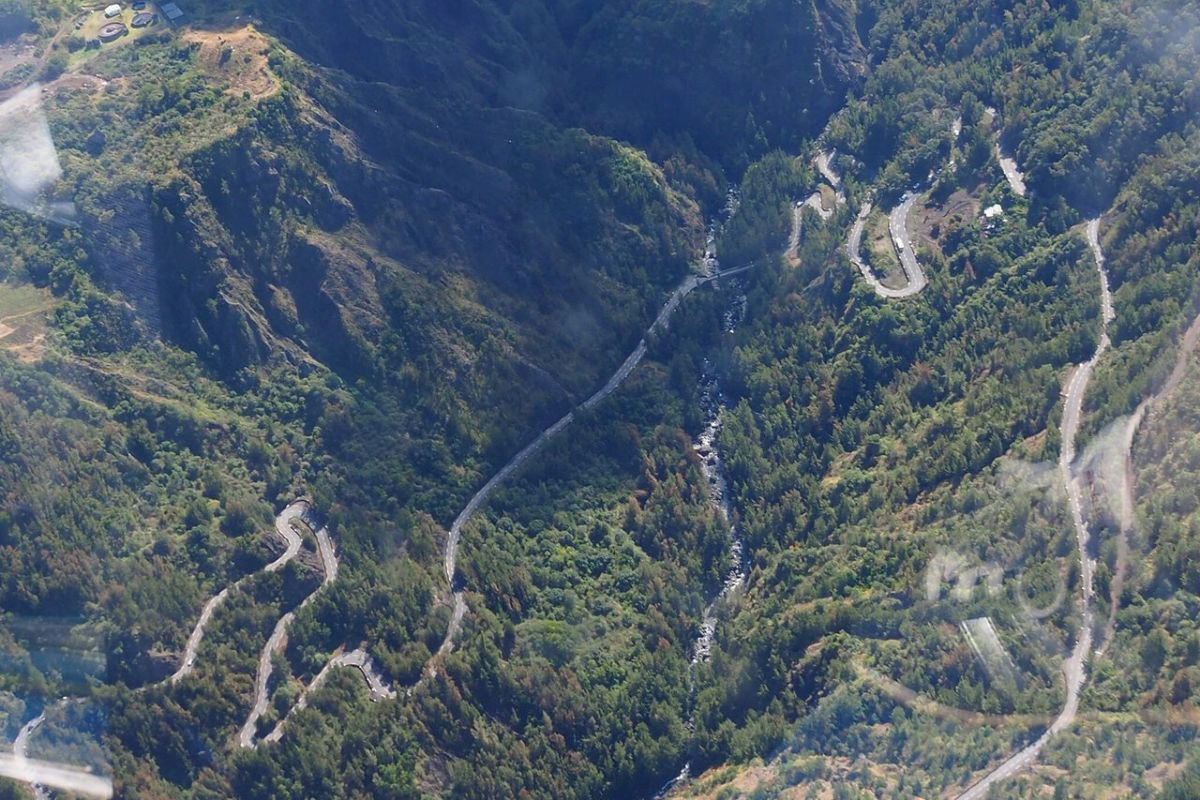
From Saint-Pierre, take the N5 towards Cilaos. The road has over 400 bends over 27km. Allow 1 hr 20 min of driving. Winding, but the tarmac is in good condition.

02

Sentier des Porteurs

Once in Cilaos, park near the old thermal baths (free car park). Follow the signs for “Sentier source Piment”, which marks the start of the trail.

03

Descent to the waterfall

A steady descent over roughly 300m of elevation loss, taking around 1.5 hours. You reach a viewpoint over the waterfall, then a more technical descent to the pool for those keen to go further.

Public transport alternative: Car Jaune bus line 62 from Saint-Louis to Cilaos, get off at the “Sentier source Piment” stop.

Activities

3 ways to explore Bras Rouge

Bras Rouge waterfall seen from the Sentier des Porteurs

Sentier des Porteurs hike

The classic option. 4-6km, a 2-3 hour round trip, +300m of elevation gain. A marked National Park trail, accessible to occasional hikers in good health.

A panoramic view over the village of Cilaos from the Bras Rouge loop trail

The full loop

14.3km, 5.5 hours, +900m of elevation gain. Views of Pain de Sucre and Piton des Neiges. Reserved for fit, experienced hikers.

A canyoner in a red wetsuit in a waterfall during a descent of the Bras Rouge canyon

Guided canyoning

A half-day or full day with an instructor. Abseils up to 25m in the open air, natural slides, jumps. From €70, from age 12 depending on the operator.

Book the canyoning
Safety

The non-negotiable rules

  • Check rainfall from the previous 24-48 hours. A sudden, dangerous flash flood is possible in the canyon.
  • Don't swim under the falls. There are currents and a risk of falling rocks.
  • The trail gets slippery after rain. Ankle-supporting hiking shoes are required.
  • Canyoning only with a guide. Never go down alone or without proper gear.
  • Take your rubbish with you. There's no regular bin on site.
The adventurous option

Book the Bras Rouge canyoning trip

A half-day or full day with a state-certified instructor, gear provided, abseils up to 25m in the open air, natural slides and optional jumps. From €70. Beginner level welcome.

See Bras Rouge canyoning prices
Frequently asked questions

Everything about Bras Rouge

Why is the water at Bras Rouge reddish?
Bras Rouge's water is rich in dissolved iron oxide, which gives it the distinctive reddish reflections on the rock walls. That's exactly what gave the waterfall its name (bras rouge means "red arm" in French). The effect is more visible on the rock stained at the edge of the falls than in the water itself.
How do you get to Bras Rouge waterfall?
From Saint-Pierre, take the N5 (the road of 400 bends) to Cilaos (~50km, 1 hr 20 min). The Sentier des Porteurs starts near the old thermal baths (signposted "Sentier source Piment"). Allow 2 to 3 hours round trip, with roughly 300m of elevation gain. It's a marked National Park trail, rocky underfoot but manageable.
Can you swim in the Bras Rouge pool?
Yes, in the main pool at the foot of the waterfall. The water is cool (16-20°C), and the pool is deep. Avoid it during the rainy season (November to April) or right after heavy rain, as there's a risk of flash floods. Always check rainfall from the previous 24-48 hours.
What's the difference between the Bras Rouge hike and Bras Rouge canyoning?
The hike (2-3 hours) follows the marked trail to the viewpoint and the waterfall's pool, with no special gear needed. Canyoning (~€70, half-day or full day) descends the river through the canyon with abseils (up to 25m in the open air), natural slides and jumps, supervised by a certified instructor. The two activities complement each other on the same site.
What's the best time to visit Bras Rouge?
The dry season (May to September) for hiking and swimming safety: trails in good condition, a moderate flow, clearer water. The rainy season (November to April) brings a more dramatic waterfall with a stronger flow, but access is riskier and swimming isn't recommended.
Is there a longer loop?
Yes, the full Bras Rouge loop covers 14.3km, roughly 5.5 hours, with about 900m of elevation gain. It offers views of Pain de Sucre and Piton des Neiges, but requires good fitness and an early start (6.30-7am) to avoid the afternoon heat and clouds.
Can you camp overnight at Bras Rouge?
Yes, the bivouac area at the foot of Col du Taïbit, on the trail towards Marla and Mafate, is tolerated for bivouacs (overnight camping). It has open views over the cirque, and tents must come down at daybreak (the official rule). No water on site, so bring 2L per person.
What gear do you need for the Bras Rouge hike?
Ankle-supporting hiking shoes are required, water (1.5L per person), sun protection (UV is intense at altitude), a fleece for the way back if you're taking your time, and a head torch in case you're delayed. Walking poles are recommended for the descent to the pool.
Go further

Keep reading

Article last updated on 21 October 2026.