Piton des Neiges sunrise hike: a night climb from Cilaos and a bivouac at 3,070m
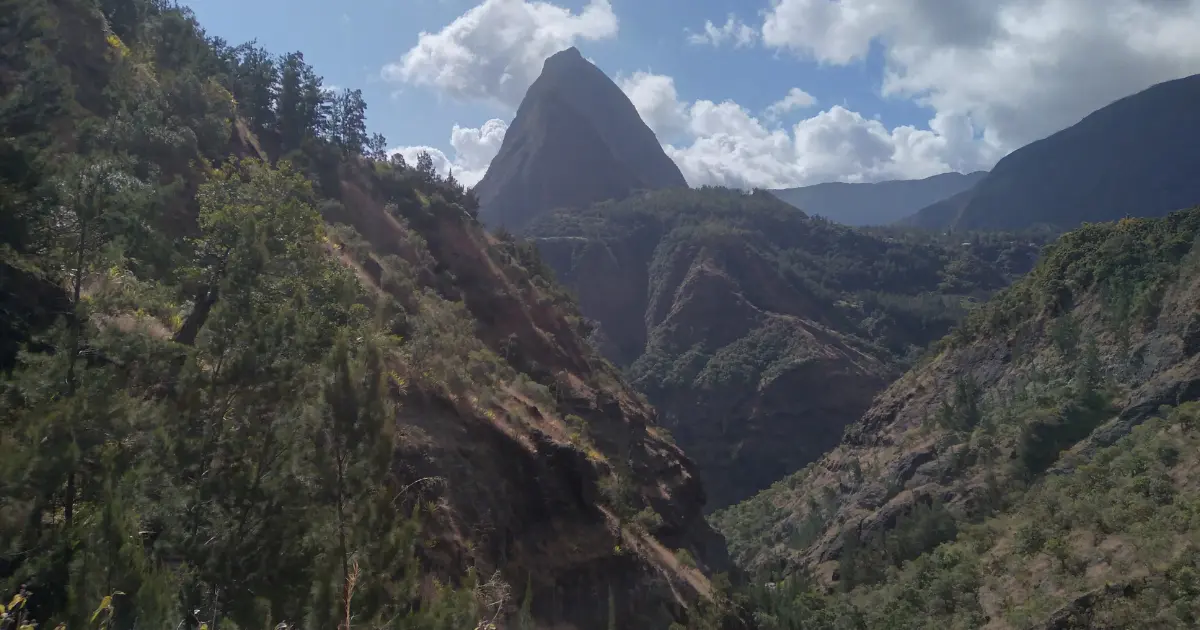
At 3,070 metres, this dormant volcano is the roof of Reunion Island and of the whole south-west Indian Ocean. The night climb from Cilaos is one of the island's most iconic hikes. Here are the 4 ways to reach the summit for sunrise, plus the kit you need, the weather and where to sleep before you set off.
3,070m at the summit+1,730m of elevation gain4 to 5 hours of climbing200 clear days a year
Quick facts
Piton des Neiges in 8 figures
Summit altitude
3,070m, the roof of the Indian Ocean
Elevation gain
+1,730m from Le Bloc in Cilaos
Round-trip distance
11 to 13km depending on starting point
Climb duration
4 to 5 hours for a fit hiker
Starting point
Le Bloc, Cilaos (1,340m)
Mountain refuge on the way
Caverne Dufour, 2,478m
Summit temperature
-5 to 5°C at night depending on season
Volcano status
Dormant for 12,000 years, UNESCO-listed
Piton des Neiges is Reunion Island's main summit and the highest point in the Indian Ocean. This shield volcano, dormant for 12,000 years, built the island through nearly two million years of eruptions. Today its summit is one of the top hikes for anyone who dreams of a sunrise above a sea of clouds. This page covers the 4 ways to do it, the essential kit, sunrise times by season and where to stay in Cilaos.
The big moment
Why sunrise on Piton des Neiges is so special
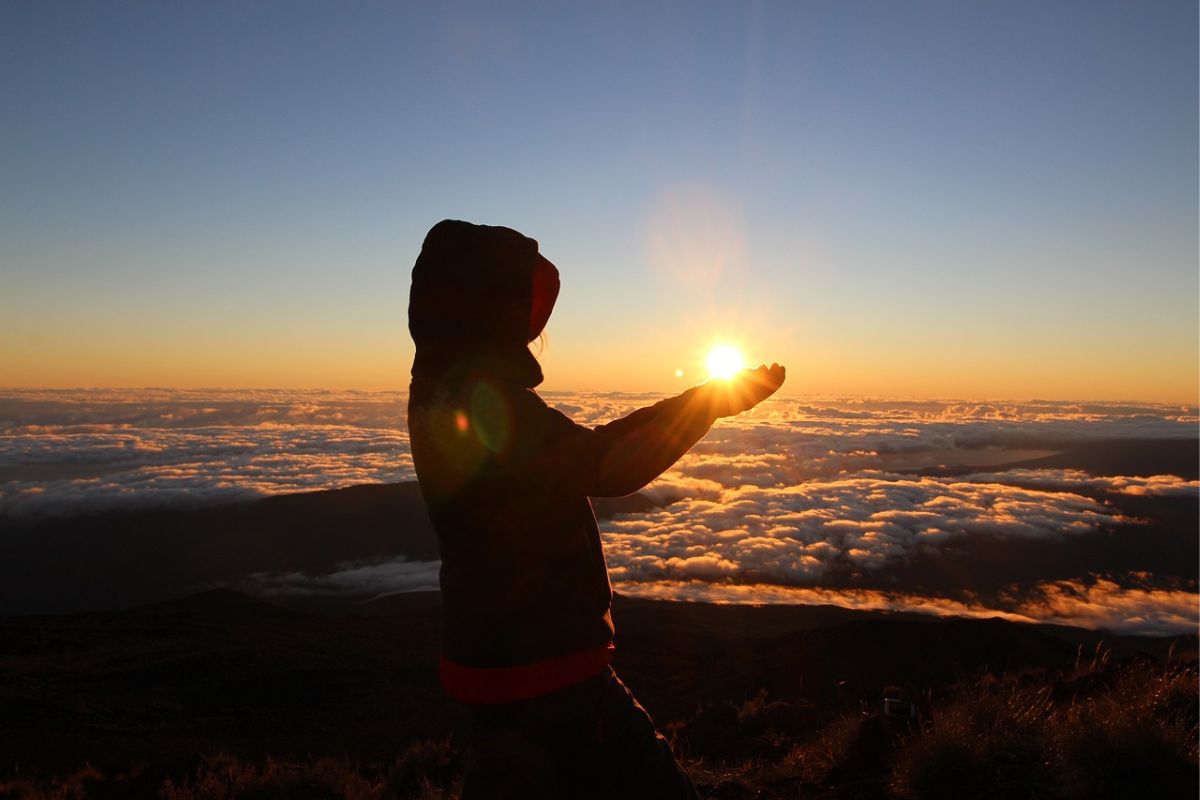
At 3,070 metres, the summit rises several hundred metres above the night-time humidity layer. The sea of clouds usually sits below 2,500m, which gives sunrise a perfectly clear horizon in every direction. The sun rises straight out of the Indian Ocean to the east, with no mountains in the way. The sky shifts from night blue to violet, then pink and gold, over about 40 minutes in the dry season.
In the last hour of darkness, the Milky Way is visible to the naked eye, as the altitude cuts out light pollution from the coast. So the summit gives you two shows in a row: a starry sky until around 4am, then the sunrise itself. No other viewpoint on Reunion Island rises this far above the clouds, which makes it unique for a 360° panorama as the sun breaks the horizon.
4 options
4 ways to reach the summit for sunrise
A single-push climb from Cilaos, a night at the Caverne Dufour refuge, a self-sufficient summit bivouac or a guided climb with Otenthike: four options, four levels of effort, four budgets.
Option 1
The single-push climb, setting off around midnight
Duration: 9 to 11 hours return, 4 to 5 hours upLevel: Fit, fully self-sufficient hikersPrice: Free if self-guidedAge: From age 14 if fit, never completely alone
The classic way to do it. You set off from Le Bloc in Cilaos between 11pm and 1am, with a head torch (essential). The trail climbs steadily through the cryptomeria forest to the Caverne Dufour refuge (2,478m, 3 hours' walk), then the final hour crosses slopes of red volcanic scoria to the summit. Ideally arrive 30 minutes before sunrise to catch your breath, have a snack and grab a spot facing east. The descent to Cilaos takes 4 hours after sunrise. Pack the night before, go to bed early and have a black coffee before you leave.
Worth knowing: For self-sufficient hikers: quick, but physically demanding
Option 2
A night at the Caverne Dufour refuge
Duration: 2 days, one night at the refuge at 2,478mLevel: A regular hiker, refuge booking requiredPrice: Half-board from €50 a nightAge: From age 10 with an adult, shared dormitories
This option splits the effort in two. An easy 3-hour climb from Cilaos gets you to the refuge by mid-afternoon, followed by a Creole dinner and a night in a dormitory. You wake around 3am and walk the final hour to the summit in the dark for sunrise. The night at the refuge lets you recover from the first climb and helps your body adjust to the altitude. Book weeks ahead in high season (July-August and the October school holidays). You carry your own bags: there are no porters.
Worth knowing: The best balance of comfort and altitude, and the most popular option
Option 3
The summit bivouac, a full night
Duration: 2 days, 1 self-sufficient night at the summitLevel: Experienced wild campers who can read the weatherPrice: Free, bring all your own gearAge: From age 14, high-mountain conditions
Bivouacking is tolerated on the summit plateau, behind the stone windbreaks built by hikers. There are no facilities: no water, no toilets, no shelter. The ground drops below 0°C at night in the southern winter, and the wind can blow hard at 3,070m. You need a three-season tent, firmly pegged down, a sleeping bag rated to at least -5°C and a thick insulating mat. The reward: an exceptional starry sky (the Milky Way visible to the naked eye, with no light pollution), sunrise from the door of your tent and a 360° panorama. Take all your rubbish away with you, no exceptions.
Worth knowing: The most demanding option: don't attempt it during cyclone season
Duration: 1 day, 8 hours on the trailLevel: Suited to a hiker in good shapePrice: From €50 per personAge: From age 12, with a qualified guide
Ideal if you don't know the trail and have never hiked at night. Otenthike leads the one-day climb with a state-qualified mountain guide who handles weather safety, explains the landscape and sets the group's pace. Departure is usually at first light rather than in the middle of the night, so sunrise is seen from the Caverne Dufour refuge or a viewpoint on the way up. For sunrise on the summit itself, ask about the two-day trip with a night at the refuge. Unbeatable value for a qualified guide, starting from Cilaos.
Worth knowing: Stress-free with a guide, no night-hiking experience needed
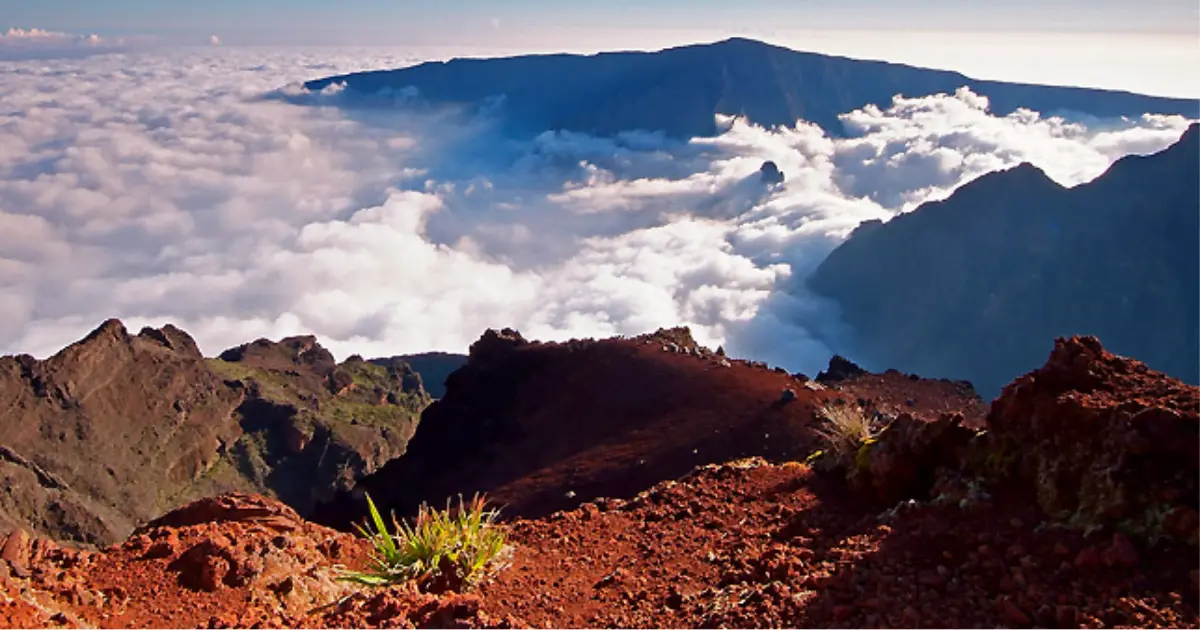
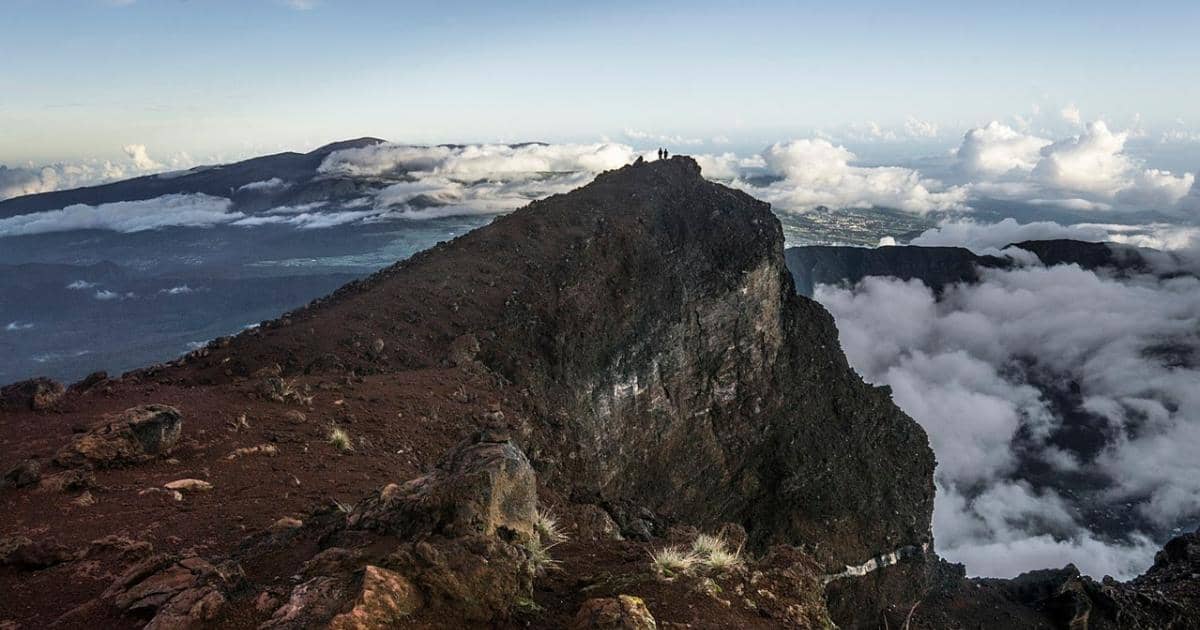
The trail changes completely after the refuge. Slopes of red and black volcanic scoria replace the forest, the ground becomes loose and the gradient reaches 30% in places. Poles help, and lace your boots tight. To the left, the rim of the Cilaos cirque drops away almost 1,000m; to the right, a flatter stretch leads to the summit ridge. It's an hour's walk for 600m of ascent, in the dark if you're going for sunrise.
On the summit ridge, the trail becomes almost flat. A cross marks the highest point at 3,070m, placed by Cilaos guides several decades ago. On a clear day, the 360° view takes in Mafate to the north-west, Salazie to the north-east, the east coast as far as Saint-Benoît, Piton de la Fournaise to the south-east and the south coast as far as Saint-Pierre.
Before you go
Practical advice before you set off
Six things to check before leaving Cilaos: sunrise times by season, kit, weather, the trail, bivouacking and how to combine the climb with other sights.
Sunrise times by season
Southern summer (December to March): sunrise over the ocean around 5.15-5.45am, so aim to reach the summit by 5am to see the whole show. Southern winter (June to August): sunrise around 6.30-7am, so arrive by 6am. In between (April-May and September-October), expect 5.45-6.15am. The altitude brings sunrise forward by 15 to 20 minutes compared with the coast. Check the exact time the day before: the window is short at 3,070m.
Essential kit for the night and the summit
A warm fleece, a packable down jacket, gloves, a beanie and a neck gaiter. A light waterproof jacket (the damp wind bites at sunrise). Broken-in hiking boots with ankle support; poles help on the scoria slopes. A powerful head torch with spare batteries: the trail is waymarked, but walking it in the dark without a light is a real accident risk. At least 2 litres of water, energy snacks and a flask of hot drink. A basic first-aid kit, toilet paper and a bag to carry out all your rubbish.
When to climb and the weather
Dry season (May to October): the clearest skies, with cloud building later in the morning (around 10am). Wet season (November to April): frequent fog from 8am, cyclone alerts to watch and a slippery trail. June to August brings the coldest nights, when the summit can drop below -5°C. According to Météo-France, the summit is clear around 200 days a year. Always check the forecast the day before, and don't hesitate to postpone if there's an orange alert.
The trail from Cilaos in detail
The trail starts at Le Bloc, 5km from the centre of Cilaos along the forest road. Parking is free but limited, and full by 5am in high season. The path first zigzags steadily up through the cryptomeria forest, leaving the trees at around 2,200m where the view opens onto the cirque. The Caverne Dufour refuge sits at 2,478m, with a water point (filter it), dry toilets and meals if booked. From the refuge to the summit it's an hour's walk over red scoria: steeper and on loose ground.
Bivouacking on the summit: the rules
Tolerated on the summit plateau, with no facilities: no water, no toilets, no lighting. Bring a firmly pegged three-season tent (gusts can reach 60km/h), a sleeping bag rated to -5°C and a thick insulating mat for the cold, stony ground. No fires or petrol stoves, and collecting wood or plants is forbidden. Take all your rubbish away, including toilet paper. The pitches behind the stone windbreaks are the most sheltered, so don't take them apart when you leave.
Combining the summit with other island sites
The classic three-day plan: day 1, sunrise on Piton des Neiges from Cilaos, then an afternoon unwinding at the Cilaos thermal spa. Day 2, a hike to the Bras Rouge waterfall or Roche Merveilleuse. Day 3, down to the south coast for a swim or a visit to Saint-Pierre. For mountain lovers: sunrise on Piton des Neiges, then sunrise at Maïdo 48 hours later for two very different viewpoints. A full rest day between the two is essential; your legs will thank you.
The summit from above
Flying over Piton des Neiges by helicopter
Climbing it is the most intense experience, but you can also see the summit from the air. A helicopter tour circles the volcanic dome, links Mafate, Cilaos and Salazie in a single flight and swoops into the cirques from angles you can't reach on foot. 4 companies, 6 packages from €190 per person, 25 to 55-minute flights departing from Pierrefonds or Saint-Gilles.
Cilaos has four great activities to add after the climb: canyoning at Bras Rouge, Fleur Jaune for the more experienced, a guided hike to La Chapelle for a recovery day, and quad biking on the Dimitile track for a different view of the cirque.
Sport
Canyoning at Bras Rouge
Cilaos's best-known canyon: a technical descent with jumps and natural slides in clear, cold water. Led by a qualified instructor, wetsuit provided. A 4-hour descent with a shuttle back. A good way to unwind after climbing Piton des Neiges without overworking your legs.
A tougher canyon than Bras Rouge: a long descent with a series of abseils through narrow gorges. Intermediate level required (canyoning experience or good fitness). A full day out with a qualified guide, and a different way to extend your stay in Cilaos.
A half-day hike to La Chapelle, a spectacular rock formation carved out of basalt. An easy trail with a local guide: a gentle way to explore the cirque, ideal as a recovery day after the summit.
A quad-bike ride along the forest tracks up to the Dimitile, another viewpoint over the Cilaos cirque. Led by an instructor, helmet and overalls provided. A 2 to 3-hour circuit with frequent views over Cilaos from the cirque's eastern rim. Drivers must be 18+ with a car driving licence.
Bivouac on the summit of Piton des Neiges: the full guide
Exact pitch locations, a detailed kit list (three-season tent, -5°C sleeping bag, insulating mat), the weather month by month, access from Cilaos and the ONF rules. Everything you need to plan a night on the summit with no nasty surprises.
Where you spend the night before shapes the whole hike: a mountain refuge to split the climb, a gîte or guesthouse in Cilaos to set off fresh at midnight, or a free, self-sufficient bivouac on the summit.
High-altitude refuge, 2,478m
The Caverne Dufour refuge
Shared dormitory, half-board
The only high-altitude gîte (mountain hut) on the Piton des Neiges trail. Basic shared dormitories, Creole dinner and breakfast included, a cold shower. Its location lets you split the climb and reach the summit for sunrise with just an hour's walk. Book weeks ahead in high season. There's no permanent electricity, so a head torch is essential.
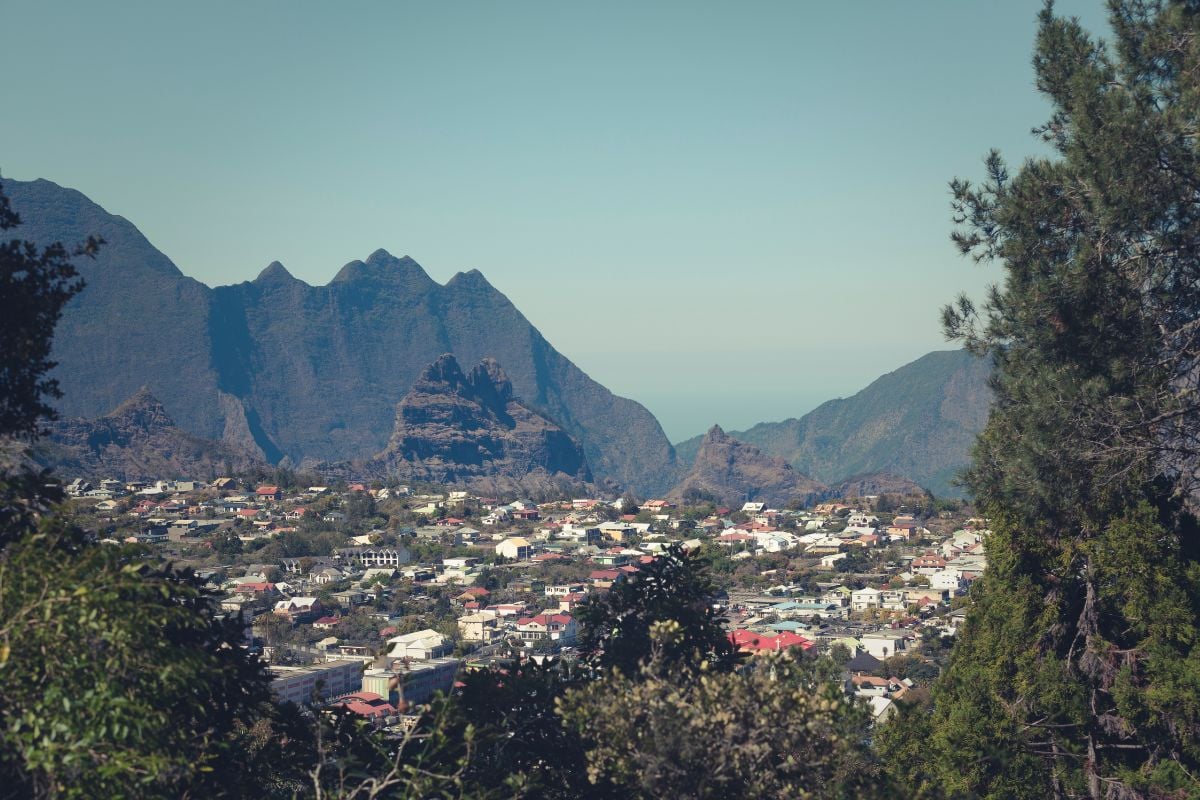
Most of the accommodation for the climb is in Cilaos: rural gîtes, Creole guesthouses and small family-run hotels. Reasonable prices, a warm welcome and a home-cooked evening meal before your night-time start. The best choice for sleeping lower down, resting your legs and setting off fresh at midnight. You may be able to leave luggage with your host while you climb, so ask.
Bivouacking is tolerated on the summit and in some sections of the trail (outside areas restricted by the ONF, the national forestry office). For the summit, proper mountain gear is essential. For a night part-way up, the flat area before Caverne Dufour works in settled weather. No facilities, no water, and all rubbish must be carried out. A detailed guide covers the exact pitches and the ONF rules.
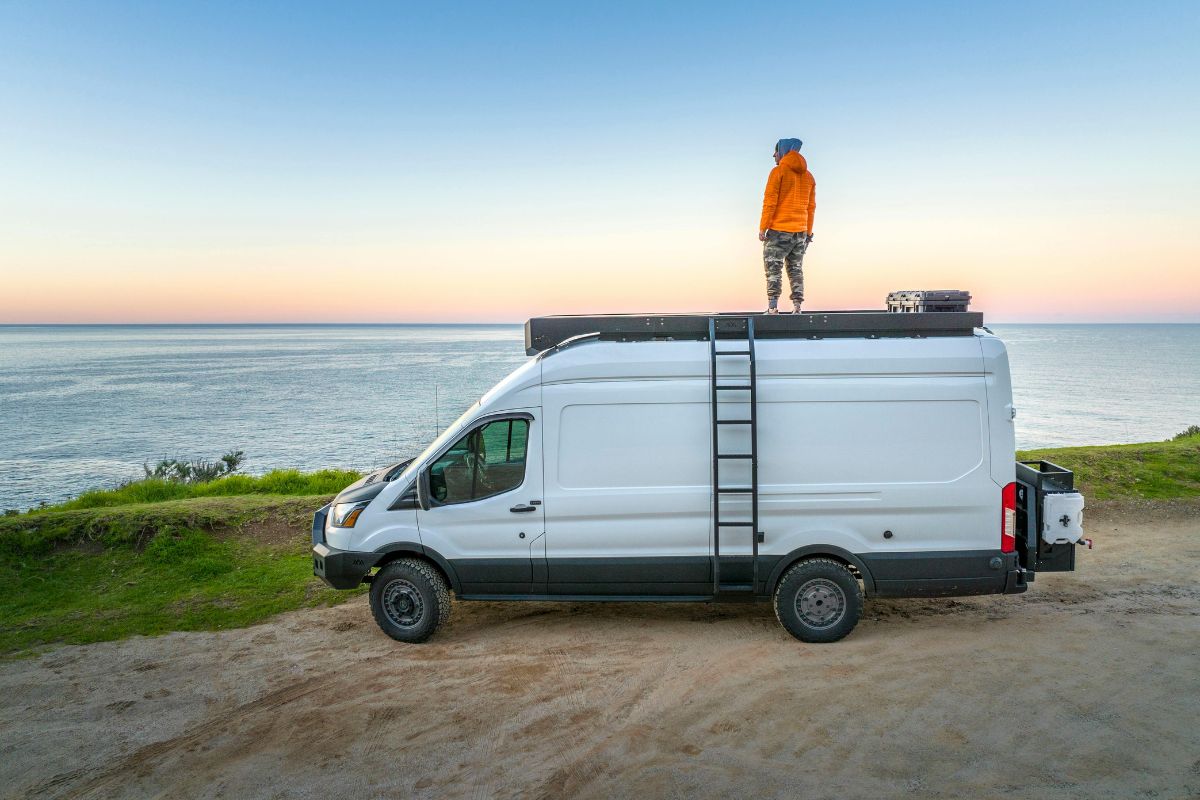
Le Bloc car park in Cilaos is open 24/7, and overnight parking is tolerated for hikers setting off at midnight. Sleeping in your van a few hours before you start saves you going back down to the village and keeps your plans flexible. Yescapa puts travellers in touch with local owners, from fully equipped campervans to converted vans.
8 hand-picked activities: the guided Otenthike climb, canyoning at Bras Rouge and Fleur Jaune, a hike to La Chapelle, quad biking on the Dimitile, a private-driver tour, helicopter tours and campervan hire.
The summit stands at 3,070 metres, the highest point in the Indian Ocean and in the French department of Reunion Island. The volcano has been dormant for around 12,000 years, and volcanologists consider it highly unlikely to wake up. Its eruptions built the island between 2 million and 12,000 years ago.
What time does the sun rise at Piton des Neiges?
It depends on the season. In the southern summer (December to March), sunrise is between 5.15 and 5.45am; in the southern winter (June to August), between 6.30 and 7am. In between, expect 5.45 to 6.15am. The altitude brings sunrise forward by 15 to 20 minutes compared with sea level. Always check the exact time the day before.
How long does it take to climb Piton des Neiges from Cilaos?
A fit hiker needs 4 to 5 hours to climb in one go from Le Bloc (1,340 metres) to the summit (3,070 metres). The Caverne Dufour refuge (2,478 metres) is 3 hours' walk from Cilaos. The descent takes 3 to 4 hours, so allow 9 to 11 hours in total if you do it in one push.
Can you bivouac at the summit of Piton des Neiges?
Yes, bivouacking is tolerated on the summit plateau, but there are no facilities: no water, no toilets, no shelter. You need a firmly pegged three-season tent (gusts up to 60km/h), a -5°C sleeping bag and a thick insulating mat. No fires, no collecting plants or wood, and all rubbish must be carried out. My dedicated bivouac guide covers all the ONF rules.
Could Piton des Neiges reawaken?
Piton des Neiges has been dormant for around 12,000 years, well past the usual threshold for calling a volcano extinct in strict geological terms. Volcanologists regard it as very deeply asleep, and an eruption is highly unlikely on a human timescale. Today, all of Reunion Island's volcanic activity is concentrated on Piton de la Fournaise, 80km away.
What's the best time of year to climb Piton des Neiges?
The dry season, from May to October, brings the clearest skies, with fog arriving later in the day. June to August has the coldest nights, with temperatures below -5°C possible at the summit. In the wet season (November to April), fog is frequent from 8am and you need to watch for cyclone alerts. According to Météo-France, the summit is clear around 200 days a year.
Do you need a guide to climb Piton des Neiges?
No, the trail is waymarked and you can do it on your own if you have mountain-hiking experience and are used to walking by head torch. For a first summit, or if you've never hiked at night, I recommend the guided Otenthike climb from Cilaos: a state-qualified guide handles weather safety, explains the landscape and sets the group's pace.
What can you see from the summit of Piton des Neiges?
On a clear day, the view takes in all three cirques (Cilaos, Mafate, Salazie), Piton de la Fournaise to the south-east, and the west and east coasts. At sunrise, the sea of clouds usually sits below 2,500m, giving a perfectly clear horizon from the summit. In the last hour of darkness, the Milky Way is visible to the naked eye, as the altitude cuts out light pollution.
What equipment should you bring for sunrise at the summit?
A warm fleece, a packable down jacket, gloves, a beanie and a neck gaiter. A light waterproof jacket against the damp wind. Broken-in hiking boots with ankle support, and poles if you have them. A powerful head torch with spare batteries. 2 litres of water, energy snacks and a flask of hot drink. A sleeping bag and three-season tent if bivouacking. A first-aid kit, toilet paper, and a bag to carry out all your rubbish.
Can you climb Piton des Neiges from Salazie or Bras-Panon?
Yes, several trails climb it from the Salazie side, notably from Hell-Bourg via Cap Anglais. The route is longer (6 to 8 hours of climbing) and more technical, so a night at the Caverne Dufour refuge is a must. The trail from Cilaos is by far the most popular and the shortest: the classic route to the summit.
Is Piton des Neiges UNESCO-listed?
Yes, Piton des Neiges is part of the Pitons, Cirques and Ramparts of Reunion Island natural site, listed as a UNESCO World Heritage Site since 2010. The area covers the three cirques (Mafate, Cilaos, Salazie), Piton des Neiges, Piton de la Fournaise and the high-altitude forest massifs. Nearly 40% of the island is protected within the Reunion Island National Park.
Where should you stay to prepare for the climb to Piton des Neiges?
You have three options: a gîte or guesthouse in Cilaos, so you can sleep lower down and set off fresh at midnight (the most common choice); the Caverne Dufour refuge at 2,478m, to split the climb and reach the summit for sunrise with a final hour's walk; or a free bivouac on the summit, fully self-sufficient, for experienced wild campers. Three approaches, three budgets, three paces.