How many visitors does Reunion Island welcome each year?+
Over 556,000 tourist visitors in 2023 according to the IRT, surpassing 2019's pre-pandemic figures (around 540,000 visitors). The regional council and the tourist board aim to pass 700,000 visitors a year by 2027, while spreading visits more evenly through the year to ease the July-August crush.
Is Reunion Island UNESCO-listed?+
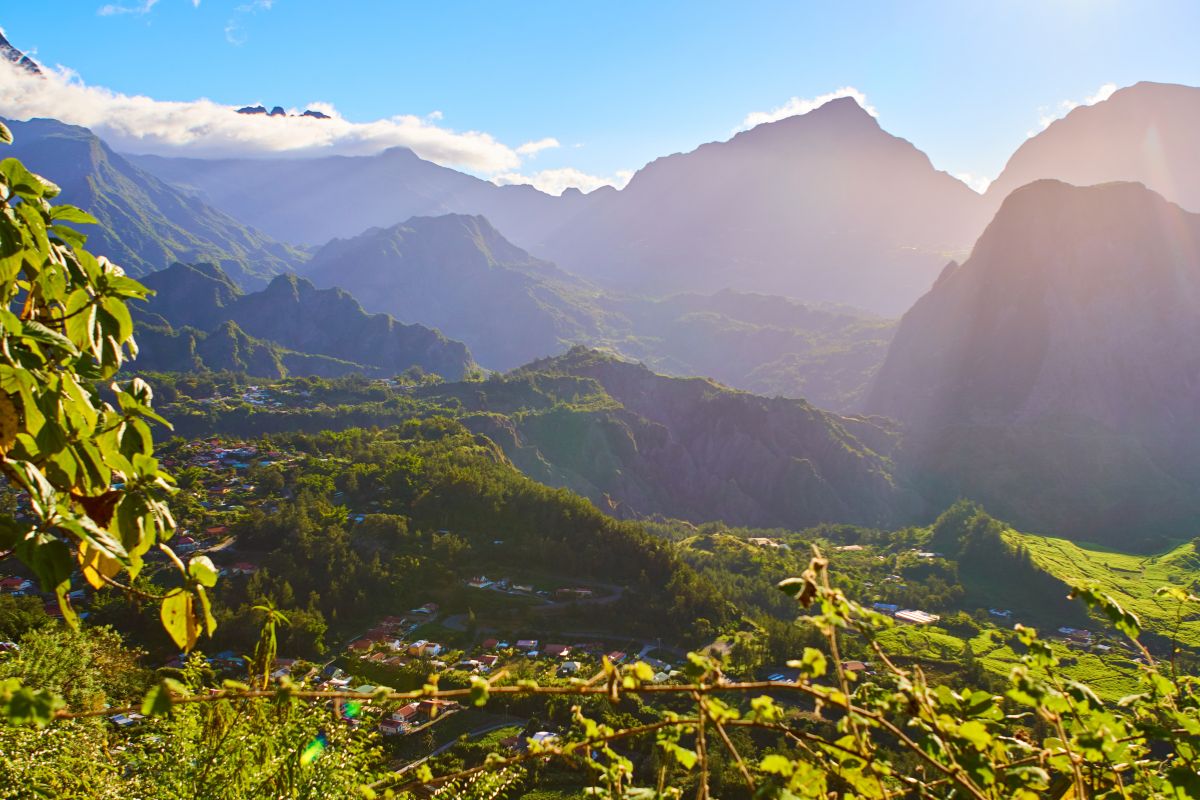
Yes, in two ways. Its pitons, cirques and remparts have been a UNESCO World Heritage natural site since 2010 (40% of the island lies within the National Park). And maloya, a musical tradition born of the slave trade and still taught in the island's music schools, has been on UNESCO's intangible cultural heritage list since 2009.
What's the best time to visit Reunion Island?+
Dry season, April to November: 18-26°C at low altitude, clear skies, stable weather windows for hiking and summiting. July-August: peak season with the French school holidays, more crowds, and the coolest temperatures at altitude. September-October and April-May: the best balance of warmth, crowds and prices. December to March: hot and humid, cyclones possible, best avoided for demanding hikes.
Why is Reunion Island attracting more visitors than before?+
Several factors combined: the post-Covid shift towards open nature destinations, landscapes popularised by Instagram and YouTube creators (the volcano, Mafate, Trou de Fer), the professionalisation of the local offering (SEO, multilingual content, platforms), Mauritius and Madagascar losing some of their appeal, and a Creole culture that is lived, not staged for tourists.
What's Reunion Island's nickname?+
'L'île intense' ('the intense island'), the official slogan used by the tourist board since 2007. Other names you'll hear locally: 'l'île aux 974' (974 is the island's French department number, used in postcodes and on number plates), 'l'île aux nuances' ('the island of shades', for its cultural mix), 'l'île volcan' ('the volcano island', for Piton de la Fournaise). The old colonial name, Bourbon, is no longer used in tourism marketing but lives on in history and heritage (and in Bourbon vanilla).
What exactly is maloya?+
A musical tradition born in the era of slavery, drawing on African and Malagasy traditions brought over by the slave trade. Its iconic instruments: the kayamb (a shaken percussion instrument), the bobre (a musical bow), the roulèr (a drum), the pikèr and the triangle. Originally a lament sung by enslaved people on the plantations, it was later banned in the 1960s because of its links with workers' and political struggles, then maloya was rehabilitated and listed as UNESCO intangible heritage in 2009. Today it's recognised as a strong marker of the island's identity.
How much does a trip to Reunion Island cost?+
A typical budget for two people over 2 weeks, based on flying from Paris: €1,700 to €2,500 for return flights (Air France, Air Austral, French Bee), €1,200 to €2,000 for gîtes or mid-range hotels, €600 to €800 for a hire car, €300 to €500 for eating out locally and €400 to €700 for activities (helicopter, guided hikes, whale-watching trips). That's roughly €4,200 to €6,500 in total for 2, not counting shopping and souvenirs. You can save 30 to 40% with a few tricks (Creole guesthouses, eating where you stay, some public transport). If you're flying from outside France, check fares from your own country, as most long-haul routes connect through Paris or another hub.
Do you need to be fit to visit Reunion Island?+
It's not essential, but it helps. The most striking landscapes (cirques, summits, waterfalls) require decent fitness to reach on foot. Without any physical effort, you can still see a lot by helicopter (25-55 minute scenic flights), by car (the Maïdo and Cap Méchant viewpoints), by organised coach (day excursions to Cilaos, Salazie) and on the beach (L'Hermitage, Saint-Pierre). But much of what makes the trip special is walking the National Park's trails.
Do you need to rent a car?+
Yes, if you want to explore beyond your hotel. The bus networks (Car Jaune, the island-wide coach service, and Citalis in Saint-Denis) cover the main routes but are limited for the highlands, hiking trails and remote sites. Expect €25 to €45 a day from the international hire companies at Roland Garros airport, or €18 to €28 from local firms (Multi-Loc, Mexta, Sky'Loc). A standard driving licence is usually enough (non-EU visitors should check whether an international driving permit is needed). Driving is on the right, and roads are in good condition but narrow.
Is Creole culture accessible to visitors?+
Yes, completely, and nothing is staged. The street markets (Saint-Paul on Friday and Saturday, Saint-Pierre on Saturday morning) are the real thing. The séga and maloya bars of Saint-Denis and Saint-Pierre welcome visitors without any tourist show. Tables d'hôtes offer home cooking at affordable prices (€15 to €22 for a full Creole meal). Creole is spoken day to day and French is understood everywhere; English is less widely spoken, so a few words of French help.
What's the difference with Mauritius?+
Two opposite tourism models on neighbouring islands (220 km apart). Mauritius leans towards all-inclusive resorts, lagoons, palm trees and international buffets, with beaches lined by chain hotels (Constance, Anantara, Beachcomber). Reunion Island leans towards wild, active nature, a 3,070 m summit, roadless cirques, living Creole culture, gîtes and guesthouses rather than resorts. The two islands complement each other more than they compete: Mauritius for lagoons and beach-based adrenaline, Reunion Island for mountains and unspoiled nature.
Is Piton de la Fournaise dangerous to visit?+
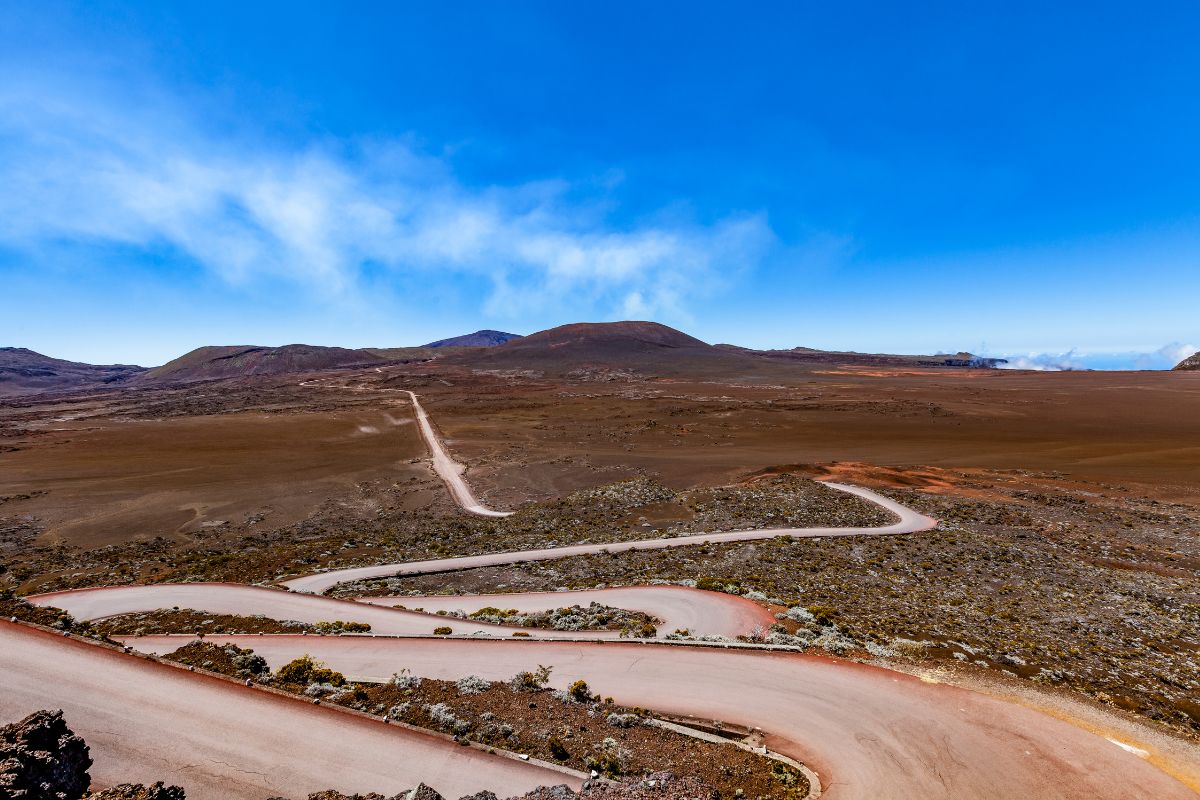
No. It's one of the most closely monitored volcanoes in the world, and one of the easiest to reach on foot. The Piton de la Fournaise Volcanological Observatory (OVPF) tracks seismic and geochemical indicators in real time, and issues alerts anywhere from several hours to several days before each eruption. Pas de Bellecombe, the classic access point, is closed in the event of a volcanic alert. The hike to the Dolomieu crater is one of the highlights of any trip, if the altitude (2,600 m) doesn't bother you.