Marine Nature Reserve · 40km of reef · West and south coast
The best beaches in Reunion Island: lagoons, black sand and safe swimming
40 kilometres of coral reef protected as a Marine Nature Reserve, shallow turquoise lagoons, and beaches of golden or volcanic black sand. Here are the island's 7 best beaches in detail, the swimming rules, and where to go clear-bottom kayaking, paddleboarding and snorkelling.
7 beaches in detail3,500 marine species28°C max in the southern summerProtected Marine Reserve
Quick facts
The beaches of Reunion Island in 8 figures
Protected coastline
40km, from Cap La Houssaye to Roche aux Oiseaux
Protection status
Marine Nature Reserve since 2007
Marine species recorded
Over 3,500 according to the National Park
Main lagoon
Hermitage and La Saline, 8km long
Safe-swimming beaches
Boucan Canot, La Saline-les-Bains, Roches Noires
Black sand beach
Étang-Salé, of volcanic origin
Average lagoon depth
1 to 2m, ideal for children
Warmest period
December to March, water at 28°C
Reunion Island's west coast has almost all of the beaches suitable for swimming and gentle water sports. The coral reef encloses a shallow lagoon along nearly 40 kilometres, protected as a Marine Nature Reserve since 2007. Over 3,500 marine species have been recorded in these protected waters. On the south coast, Étang-Salé and its volcanic black sand beach are unlike anything else on the island. This page covers 7 top beaches, the swimming rules, the water sports on offer and 6 practical tips.
7 top beaches
The Hermitage, La Saline, Trou d'Eau, Saint-Leu and more
Seven beaches with very different moods, from family-friendly lagoon swimming to the volcanic beaches of the south. How to get there, what the water is like and the rules for each.
Beach 1
L'Hermitage-les-Bains
Area: West coast, Saint-PaulType: Coral lagoon, golden sandSwimming: Protected by the reef, 1m deep
Reunion Island's best-known beach: 5 kilometres of golden sand behind a coral reef that encloses a shallow lagoon, ideal for children and nervous swimmers. Filao trees (casuarinas) give natural shade all along, with water points and toilets at regular intervals. You can snorkel straight from the shore over several areas of living coral and spot parrotfish, butterflyfish and blue damselfish. It gets very busy at weekends, with a family atmosphere and vendors walking the beach. Free parking along the forest road.
Best for: Safe swimming and snorkelling straight from the beach
Area: West coast, Saint-PaulType: Protected lagoon, golden sandSwimming: Safe, a supervised central zone
The southern continuation of the Hermitage, with a wider, quieter beach. The lagoon is protected by the reef and the water is crystal clear, with visibility beyond 5 metres on a sunny day. The shallow, wave-free water has long made it a favourite for stand-up paddleboarding and clear-bottom kayaking, and several operators are based right on the beach. Shade under the filao trees, beachfront restaurants and bars, and live music at weekends. Free parking, and the crowds spread out along 3km of sand.
Best for: Swimming, paddleboarding and beachside dining in one place
Area: West coast, Saint-PaulType: Small lagoon, fine sandSwimming: Calm, ideal for children
A little gem between the Hermitage and La Saline. The lagoon is narrower than its neighbours, very shallow (50cm to 1.5m) and clear. The crowd is mostly local and family-oriented, with few tourist facilities. It's the favourite spot for clear-bottom kayaking: Lagon Réunion runs 2-hour guided trips from €50 per person, so you can watch the coral through the see-through hull without getting wet. Also ideal for group paddleboarding. Access from the main road, limited parking.
Best for: Clear-bottom kayaking in the calmest lagoon around
Area: West coast, south of Saint-PaulType: Town beach and diving drop-offsSwimming: Bigger waves, watch out for currents
A town beach in the centre of Saint-Leu, with white sand to the north and darker sand to the south. The bay is sheltered, but the reef lies further out than at the Hermitage, so swimming is less protected. It's a world-class scuba diving spot: drop-offs down to 30m, intact coral and green turtles seen regularly, with several dive clubs based here. You can also go tandem paragliding from the top of the cliff and land right in front of the beach. Beachfront cafés and restaurants, and a Sunday-morning market.
Best for: The best base for scuba diving and paragliding over the sea
Area: South coastType: Lively town beach, golden sandSwimming: Protected central area, watch out for currents
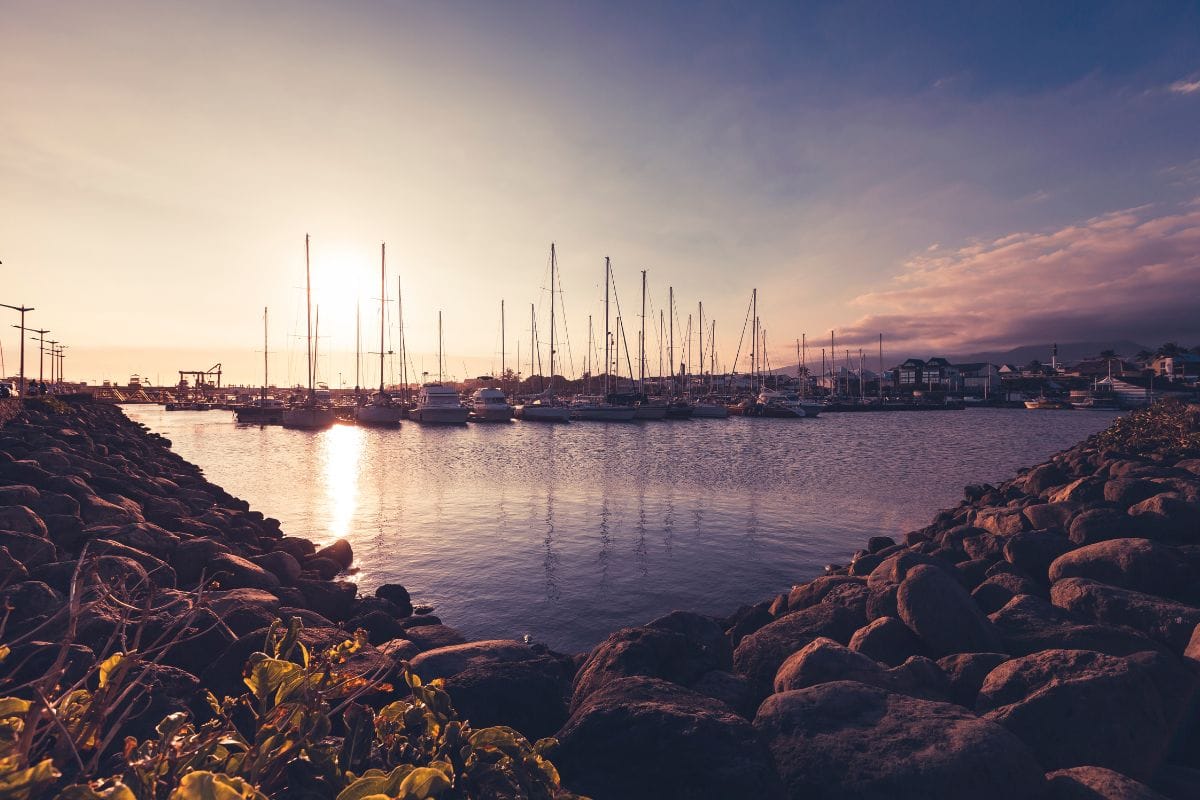
The liveliest beach in the south of the island. Golden sand, swimming within a marked central area, and moderate waves that make it popular for kitesurfing and beginner surfing. The seafront is packed with cafés, bars and restaurants, and the Saturday-morning market is one of the best on the island. Live music most evenings in the tourist season. Free parking by the beach, busy at weekends. Combine it with a stroll around the marina and the old Creole quarter.
Best for: A town beach where a day on the sand rolls into a night out
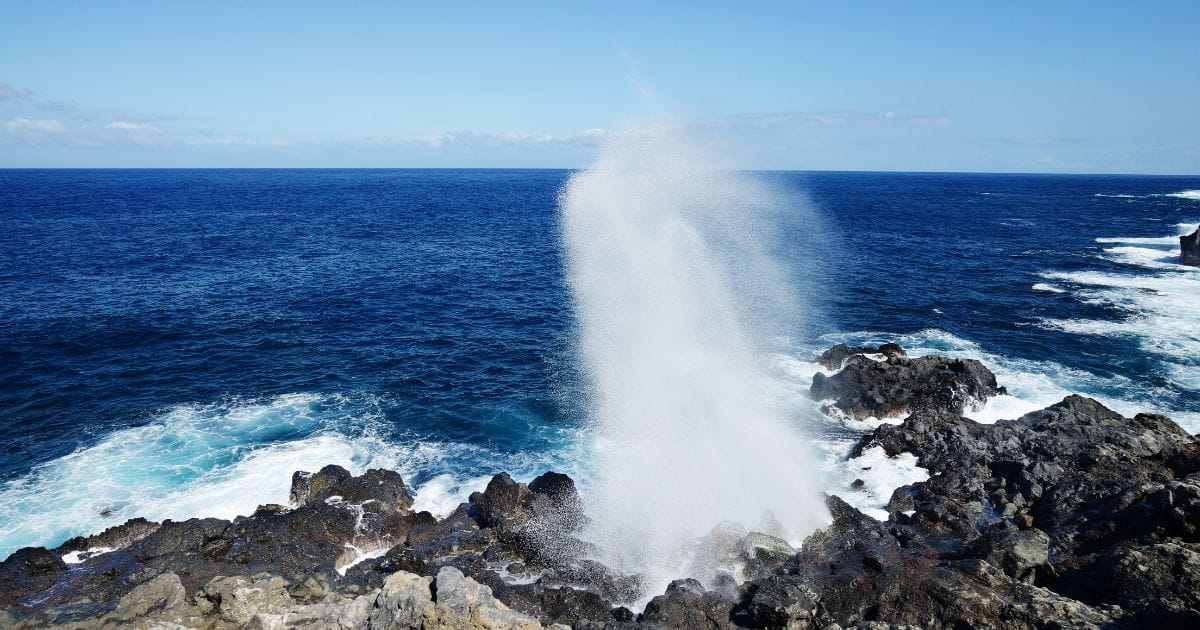
Area: South-west coastType: Volcanic black sandSwimming: Bigger waves, swim in the lifeguarded area only
The island's most distinctive beach: 1.5km of volcanic black sand in striking contrast with the blue ocean. A dense filao forest just behind the beach gives plenty of shade for picnics and family days out, and sunsets are superb, with warm light reflecting off the sand. The waves are bigger than in reef-protected areas, so only swim in the lifeguarded area, as there can be rip currents outside it. It's also a surf spot for intermediates. Less crowded than the west coast, and quietest on weekdays.
Best for: The island's most photogenic volcanic beach, with lifeguarded swimming only
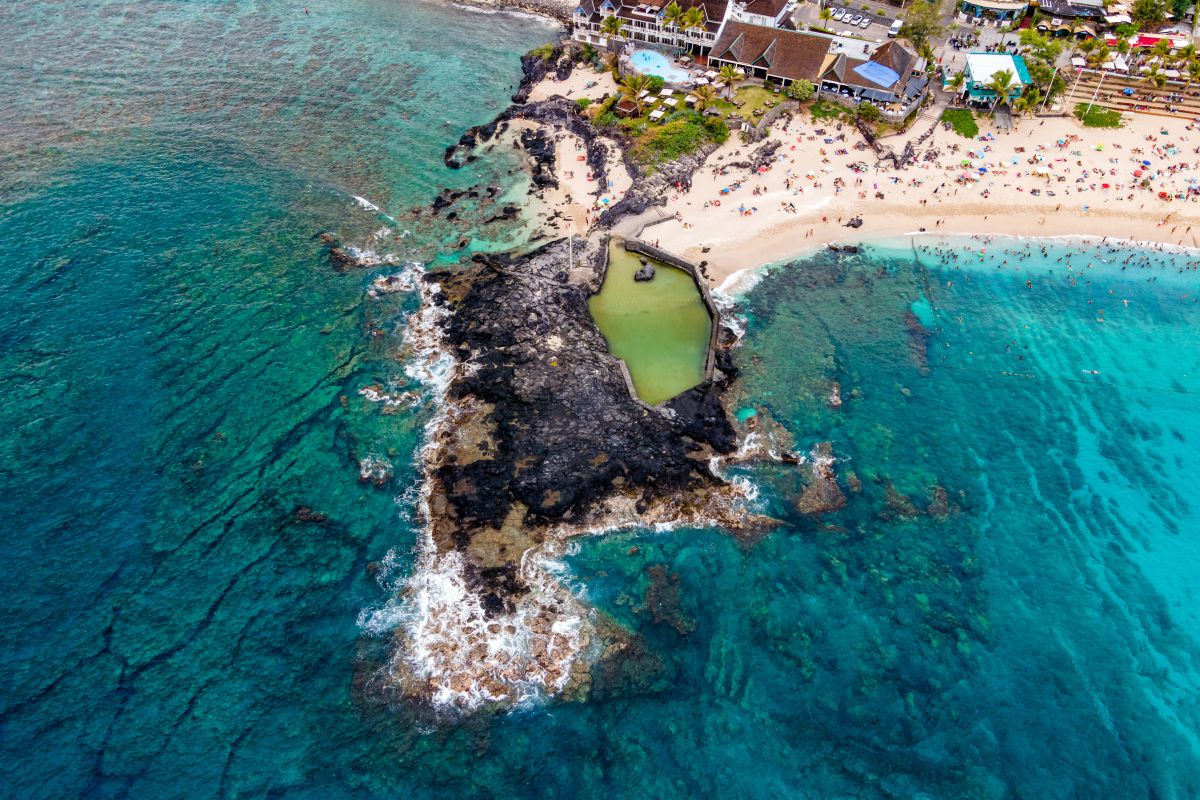
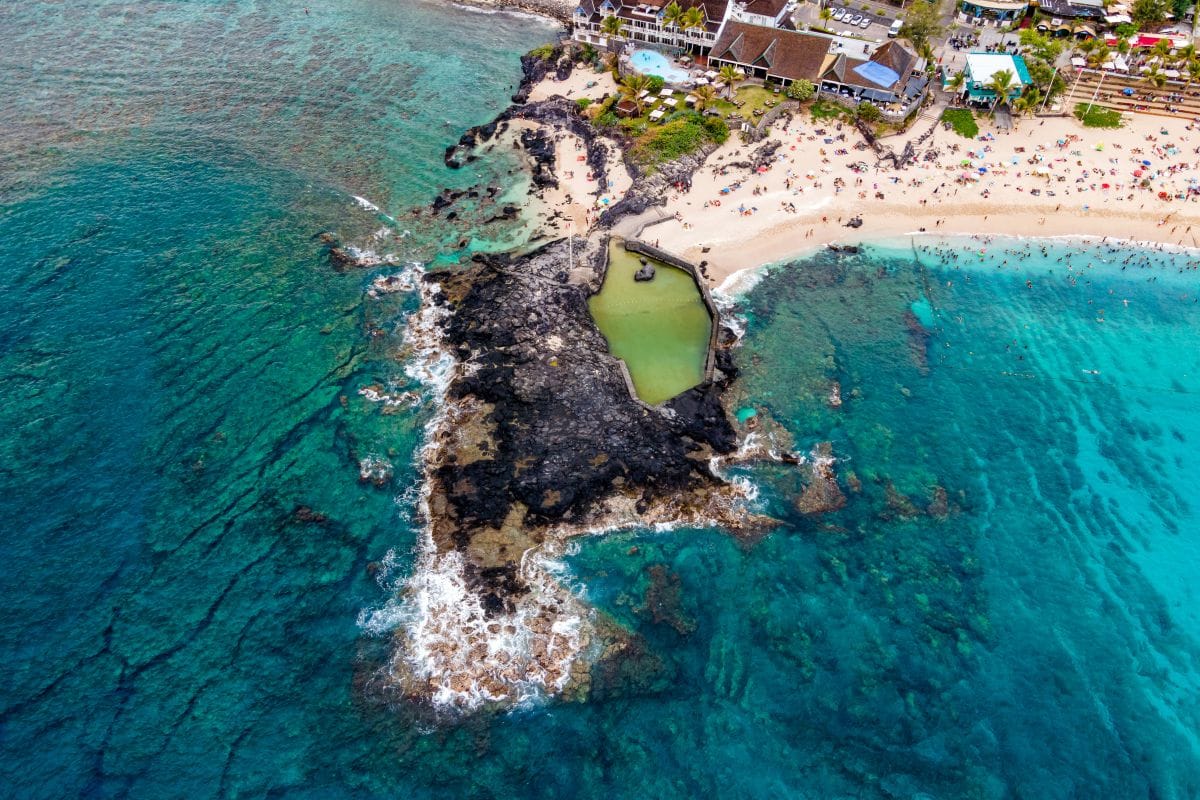
Area: West coast, Saint-GillesType: Golden sand, a tidal poolSwimming: Safe rock pool, lifeguards on the open sea
Saint-Gilles' most famous beach: 700 metres of fine golden sand lined with the area's upmarket hotels. Its big selling point is a volcanic rock pool at the southern end, where you can swim in complete safety even when a shark warning closes the open sea. Beachfront cafés and restaurants, a cosmopolitan feel and famous sunsets. Lifeguards are on duty in high season and the zones are signposted, so keep an eye on the warning signs.
Best for: The upmarket west-coast beach, with a safe pool and restaurants
Swimming rules, the best season, what to bring, snorkelling, water sports and parking: six things to check before you head to the west or south coast.
Swimming rules and shark risk
Since 2013, swimming in the open sea has been banned along most of Reunion Island's coast, except in the lagoons and designated areas. You can swim in the lagoon from the Hermitage to La Saline, the Trou d'Eau lagoon, and the lifeguarded beaches of Boucan Canot and Saint-Pierre within their netted or pool-protected areas. Always follow the signs and the flag of the day. Surfing, bodyboarding and stand-up paddleboarding are still allowed in supervised areas; check with the local club.
The best time and weather
December to March: water at 27-29°C, intense sun, and cyclone alerts to watch for. April to May: the most settled period, water at 26°C, clear skies and a light trade wind. June to October: water at 23-25°C and stronger winds, especially in the afternoon, which is ideal for water sports. The dry season (May-October) is the best time for the west coast; the wet season (November-April) brings warmer water but more frequent showers.
Gear and preparation
Swimwear, a towel, and a parasol or beach tent depending on the spot (shade under the filaos is limited at Étang-Salé). High-factor, reef-safe sun cream without oxybenzone or octinoxate, to protect the coral. Flip-flops or water shoes, as the coral can hurt bare feet at low tide. A mask, snorkel and short fins. A water bottle, fruit or a snack. And a dry bag for valuables, as opportunistic thefts have been reported.
Snorkelling and coral watching
In the Hermitage and La Saline lagoons, visibility is 3 to 6 metres depending on the tide, with a mix of living and bleached coral depending on the area. Green turtles are sometimes seen at Saint-Leu, near the northern channel. Golden rule: never touch the coral or stand on the reef. Beginners are better off on a guided trip, as the guide will point out species and steer you away from fragile areas. Several operators run trips from Saint-Gilles and La Saline.
Water sports on offer
Stand-up paddleboarding on the La Saline lagoon, from €5 for a board hire with École de Surf. Clear-bottom kayaking at Trou d'Eau, a 2-hour guided trip from €50 with Lagon Réunion. Towed inflatable rides from Saint-Gilles, a thrill for groups and teenagers. Scuba diving at Saint-Leu and Saint-Gilles, either a first dive or a guided club dive. Surfing at Saint-Leu, Étang-Salé and Saint-Pierre depending on the swell. Kitesurfing mainly at Saint-Pierre.
Parking and crowd levels
Parking is free at every public beach on the west coast. The Hermitage, La Saline and Trou d'Eau fill up by 10am at weekends in peak season (July-August and Reunion Island school holidays), so arrive early (before 9am) or mid-afternoon (after 3pm). Étang-Salé and Saint-Pierre are big enough to cope with the crowds. Boucan Canot is in high demand, and its car parks fill up by mid-morning.
The seven beaches run from Boucan Canot down to Saint-Pierre, along the west and south coasts, so a lagoon swim in the morning and a second beach in the afternoon is easy to fit into one day, whether you're travelling by campervan or by car. If it's a car you need, browse rental cars on Discover Cars.
On the lagoon
Clear-bottom kayaking at Trou d'Eau
Clear-bottom kayaking is the signature activity of the Trou d'Eau lagoon. Lagon Réunion runs 2-hour guided trips from €50 per person: you watch the coral and fish through the see-through hull, with no need for a mask or fins. Suitable from age 5 in shallow water. Rated 4.9 out of 5 from 90 traveller reviews, it's one of the best-rated activities on the west coast.
The turquoise and white of the coral lagoon seen from a helicopter is one of the island's most photogenic sights. The 55-minute full island tour follows the 40km of reef before heading on to the cirques and the volcano. 4 companies operate on Reunion Island, with 6 tours from €190 per person, departing from Pierrefonds or Saint-Gilles.
The seven beaches lie within about 40km of each other, so a campervan is a practical way to visit several over 3 to 5 days. Overnight parking is tolerated in a few forest and beach car parks, but check with each town. Yescapa puts travellers in touch with local owners, from classic VW campers to fully fitted vans.
Clear-bottom kayaking at Trou d'Eau, paddleboarding at La Saline, guided snorkelling, a towed inflatable ride, a first dive, scuba diving at Saint-Gilles and Étang-Salé, and a helicopter tour: 8 of the best ways to enjoy the west coast.
The safe, authorised swimming areas are mainly in the west coast's coral lagoons: the Hermitage, La Saline-les-Bains and Trou d'Eau. Outside the lagoons, the volcanic rock pool at Boucan Canot is safe too, and the beaches at Saint-Pierre and Étang-Salé have lifeguarded areas. Swimming in the open sea outside these zones has been banned since 2013 because of shark risk.
What is the most beautiful beach in Reunion Island?
It depends what you're after. For safe swimming with children, the Hermitage-les-Bains is the one to beat. For striking scenery, Étang-Salé and its volcanic black sand. For nightlife and restaurants, La Saline or Saint-Pierre. For a beach with upmarket hotels, Boucan Canot and its safe pool. Each of the island's seven main beaches has its own atmosphere.
Can you go snorkelling in Reunion Island?
Yes, mainly in the Hermitage and La Saline-les-Bains lagoons, where you can reach the coral straight from the shore. Visibility is 3 to 6 metres depending on the tide, with parrotfish, butterflyfish and blue damselfish to spot. Several operators run 2-hour guided trips from €30, starting from Saint-Gilles and La Saline. Golden rule: never touch the coral or stand on the reef.
Where can you go clear-bottom kayaking?
The Trou d'Eau lagoon, halfway between the Hermitage and La Saline, is the original spot for clear-bottom kayaking on Reunion Island: 50cm to 1.5m deep, crystal-clear and always calm. Lagon Réunion runs 2-hour guided trips from €50 per person, so you can watch the coral and fish through the see-through hull. Suitable from age 5, ideal for families.
What is the water temperature in Reunion Island?
The water is warm all year round. Southern summer (December to March): 27 to 29°C. Southern winter (June to August): 23 to 25°C. In between: 25 to 27°C. Around midday, the shallow lagoon is one or two degrees warmer than the open sea. A shorty wetsuit is handy in winter if you stay in for more than an hour, but unnecessary in summer.
Why is sea swimming banned in Reunion Island?
Since the 2011-2013 shark crisis, which saw several fatal attacks, a prefectural order has banned swimming in the open sea outside the coral lagoons and designated areas with protection (nets, pools, active monitoring). The order is renewed regularly and strictly enforced, with warning signs on every affected beach and checks during the season. The risk mainly comes from bull sharks and tiger sharks.
Which beach in Reunion Island is best for children?
The Hermitage-les-Bains and Trou d'Eau are the best: a shallow lagoon (50cm to 1.5m), no waves, crystal-clear water, shade under the filaos and fine sand. La Saline-les-Bains has the same advantages, plus paddleboard and kayak hire for more confident children. Boucan Canot and its safe rock pool let the kids swim while the parents enjoy a meal nearby.
How many beaches does Reunion Island have?
The island has around 25 accessible public beaches, 7 of which are considered the most iconic: the Hermitage, La Saline-les-Bains, Trou d'Eau, Saint-Leu, Boucan Canot, Étang-Salé and Saint-Pierre. The rest are smaller coves or local beaches with fewer facilities (Cap La Houssaye, Roches Noires, Grand Anse, Manapany, Grand'Bois). Swimming isn't allowed everywhere: some are just for admiring the view or having a picnic.
Is there a black sand beach in Reunion Island?
Yes, Étang-Salé is the best known, with its volcanic black sand stretching over 1.5km. Grand'Anse in the south combines golden and black sand depending on the area. Étang-Salé has the most striking contrast with the blue ocean and the most photogenic sunsets, with warm light reflecting off the sand. Swim in the lifeguarded area only, as the waves are bigger.
What water sports can you do in Reunion Island?
Stand-up paddleboarding, clear-bottom kayaking, snorkelling, towed inflatable rides, scuba diving (including first dives), surfing, kitesurfing and whale watching in season (June to October). Most of the gentler activities take place in the Hermitage and La Saline lagoon, Saint-Leu and Saint-Gilles have the main dive clubs, and Saint-Pierre is the kitesurfing hub. Humpback whales pass off Étang-Salé and Saint-Gilles between June and October.
Can you watch the sunset from the beach in Reunion Island?
Yes, every beach on the west and south-west coasts faces the sunset, with the sun dropping straight into the sea. Étang-Salé is the most photogenic, thanks to the reflections on the black sand. Boucan Canot puts on a show with the hotels as a backdrop, while La Saline and the Hermitage offer a classic sunset with filao trees in silhouette. Sunset is between 5.30pm in winter and 6.45pm in the southern summer.
Do you have to pay to access Reunion Island's beaches?
No, all public beaches are free, and so is parking. There are no private beaches and no compulsory paid beach clubs. You can rent sun loungers in a few spots at Boucan Canot and Saint-Gilles, but it's optional. On weekdays the crowd is mostly local, at weekends it's more mixed. Beach vendors sell drinks, fruit and samoussas (samosas) at low prices.