Diving in Reunion Island: clubs, spots and levels
A 3,500-hectare marine nature reserve, over 1,200 fish species, water at 23-28°C year-round. Introductory dives from €75, PE20 to PA40 training, dive sites from Saint-Gilles to Saint-Leu. The complete guide to planning your dives.
Reunion Island is a less well-known diving destination than the Red Sea or Indonesia, and that's actually a good thing: uncrowded sites, abundant wildlife thanks to the marine nature reserve created in 2007 (3,500 protected hectares along 40 km of coastline), and conditions that stay accessible year-round. The island doesn't have the massive coral formations found in Polynesia (its reefs are young, around 8,000 years old), but the diversity of species more than makes up for it.
Here's the complete guide: certification levels, partner dive clubs, iconic spots in Saint-Gilles and Saint-Leu, marine life, prices and the best season.
PE20, PA20, PA40: who can dive how deep?
One-on-one supervision, 6 m max depth, 20-30 minutes. From age 9 depending on the club. Around €75.
Supervised diving down to 20 m. A 5-8 day course on-site. Around €400-500.
Independent diving down to 20 m, with a buddy. A step before PA40.
A combination of PE40 and PA20. Gives access to wrecks and deep drop-offs.
Saint-Gilles: 5 iconic dive spots
Passe de l'Ermitage
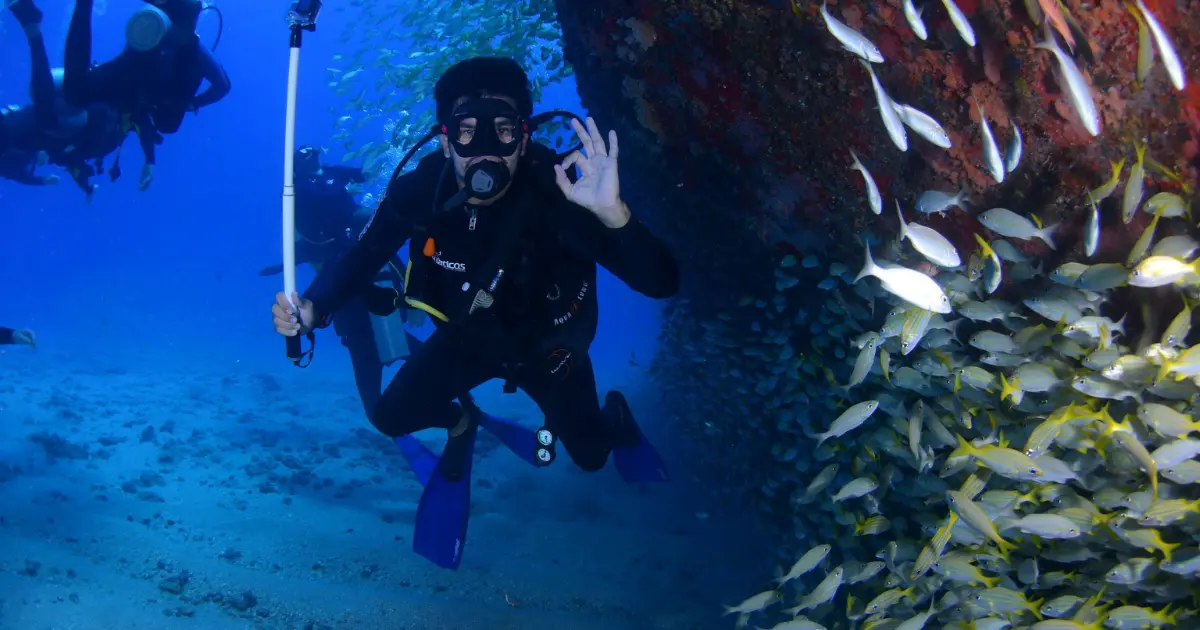
25 m maxAccessible from the introductory dive, abundant wildlife along the reef edge.
Passe des Trois Bassins
22 m maxA gentle site, ideal for first independent dives.
Cap La Houssaye
17 m maxAccessible from the shore (a shore dive), which keeps costs down.
Tour de Boucan
22 m maxA gentle drop-off with local wildlife.
Haï Siang wreck
54 m maxA well-known wreck, a technical dive.
Saint-Leu: 3 benchmark dive spots
Jardin des Kiosques
32 m maxSaint-Leu's most iconic site, rich in wildlife and coral.
Antonio Lorenzo wreck
40 m maxA wreck resting on a sandy seabed, teeming with life.
Pointe au Sel drop-off
20 to 80 mA legendary site, a dizzying drop-off to explore in stages.

What you'll see underwater
The marine nature reserve protects over 3,500 hectaresalong 40 km of coastline, with a diversity that's unique in the western Indian Ocean. Here are the species you're most likely to see.

Year-round. Along the reserve edge, at Pointe au Sel, in the Ermitage lagoon. Protected species.
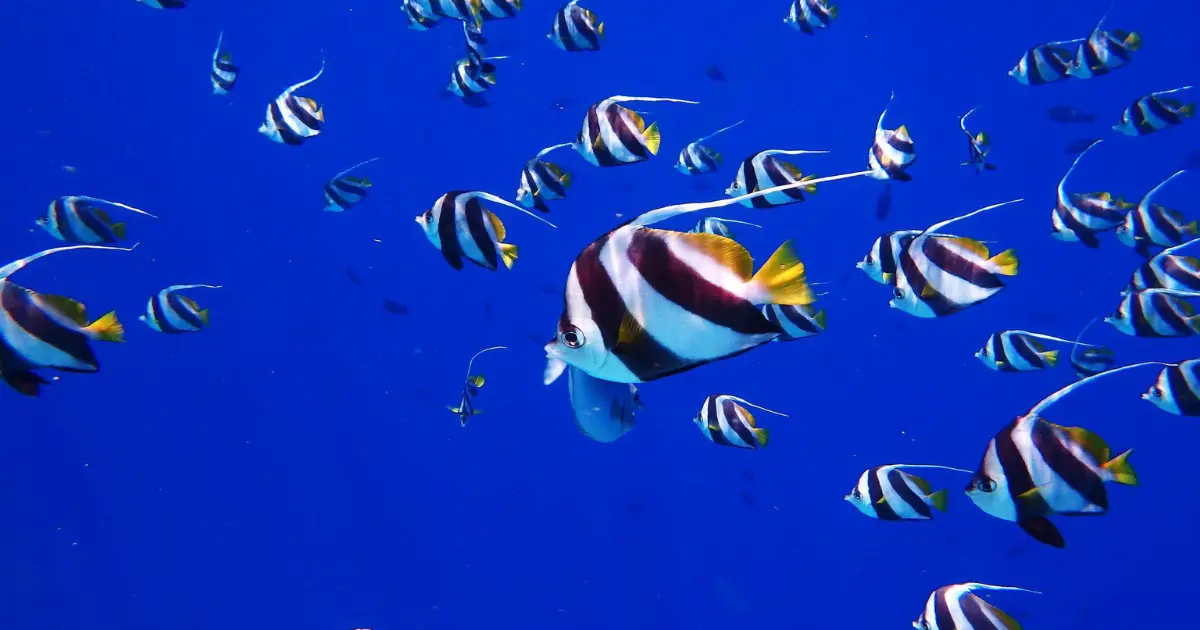
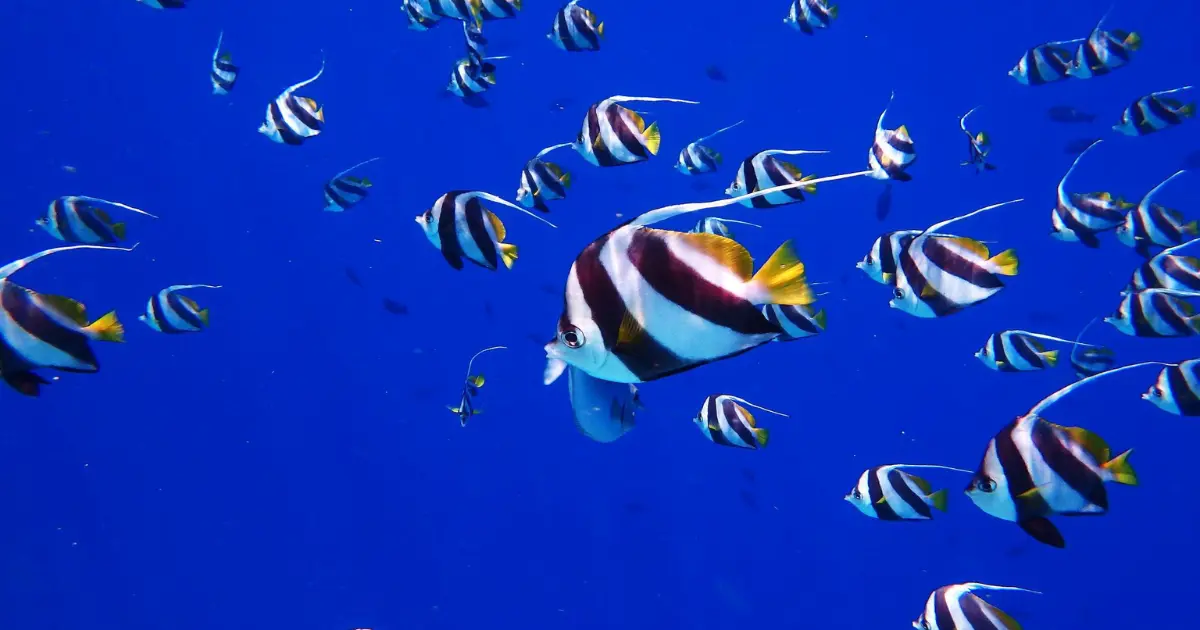
Year-round. In Saint-Gilles and Saint-Leu, from 5-10 m. Spectacular schools of several hundred fish.
Year-round. On the Pointe au Sel and Tour de Boucan drop-offs, tucked into crevices.
Year-round, especially in the dry season. Sandy seabeds near the reefs.
Reef species are rarely seen while diving inside the reserve. Pelagic sharks further offshore (bull sharks, tiger sharks) on deeper sites don't attack divers.
June to October. Occasional encounters while diving, but mostly a surface sighting. Their songs are audible underwater.
Young reefs (around 8,000 years old), less massive than in the Pacific but with great diversity (soft coral, hard coral, sea fans).
How to choose a dive club in Reunion Island
Check for the French Jeunesse et Sports accreditation plus FFESSM affiliation (the French federation of underwater studies and sports) or PADI / SSI certification. This is a legal requirement to operate commercially.
A maximum of 4 divers per instructor for exploration dives, 1 diver per instructor for introductory dives. Beyond that, supervision quality and safety both suffer.
A recent rigid-inflatable or inflatable boat, oxygen on board, a first-aid kit. Gear (regulators, BCDs) serviced and inspected annually.
Read 10-15 recent reviews before booking. Favour clubs rated above 4.5/5 with over 100 reviews. Be cautious with brand-new operators that have no track record.
A good club spends 15-20 minutes on the briefing before every dive: safety, hand signals, the dive profile, wildlife to expect. If that step is skipped, find another club.
Seasons, safety, equipment
When to dive
Year-round, water at 23-28°C. The dry season (June to October) offers the best visibility (20-30 m) and the calmest sea. It coincides with humpback whale season. The wet season stays diveable but visibility gets more variable after rain.
What about sharks?
Reunion Island's shark risk (bull sharks and tiger sharks) concerns surfing and swimming outside the lagoon. There has never been an attack on a scuba diver in Reunion Island. Clubs adjust their sites and time slots accordingly (no early-morning dives off higher-risk sites).
What to bring
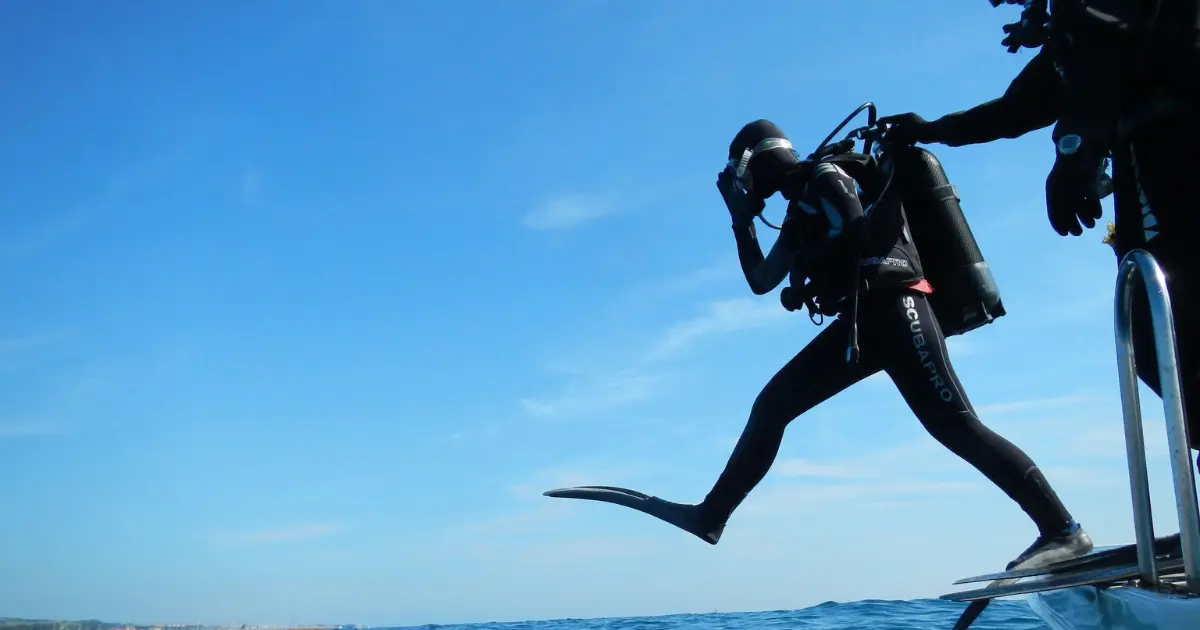
Clubs provide the tank, regulator, BCD, weights and a 3 mm wetsuit. Ideally bring your own mask and snorkel (for comfort), fins (rental around €5/day), and a dive computer if you have one. A logbook and certification card are needed for exploration dives.
Book an introductory dive in Reunion Island
A complete outing from around €75: a surface briefing, a dive to 6 m maximum, one-on-one supervision from a state-certified instructor. From age 9, no medical certificate required unless there's a contraindication. Water at 25-28°C year-round.
See introductory divesDiving in Reunion Island, in practice
What diving level do you need for an introductory dive in Reunion Island?
What are the diving levels and what do they allow?
What are the best dive clubs in Reunion Island?
Are there sharks while diving in Reunion Island?
What's the best season for diving in Reunion Island?
Can I swim with whales while diving?
How much does a dive cost in Reunion Island?
Can I dive with my child?
Keep reading
- → Introductory scuba dive.
- → Level 1 training in Saint-Gilles.
- → All-level training in Saint-Leu bay.
- → Guided exploration dive in Saint-Gilles.
- → Where to swim with turtles.
Page updated on 10 October 2026.