Updated September 2026

Swimming with turtles on Reunion Island: the 6 best spots

6 accessible spots from the Ermitage lagoon to Saint-Leu, and how to enjoy them responsibly: the species you'll see, the best times of day, how to behave, and guided trips if you want to maximise your chances.

2 speciesgreen + hawksbillYear-roundalways presentMarine reservestrict protection

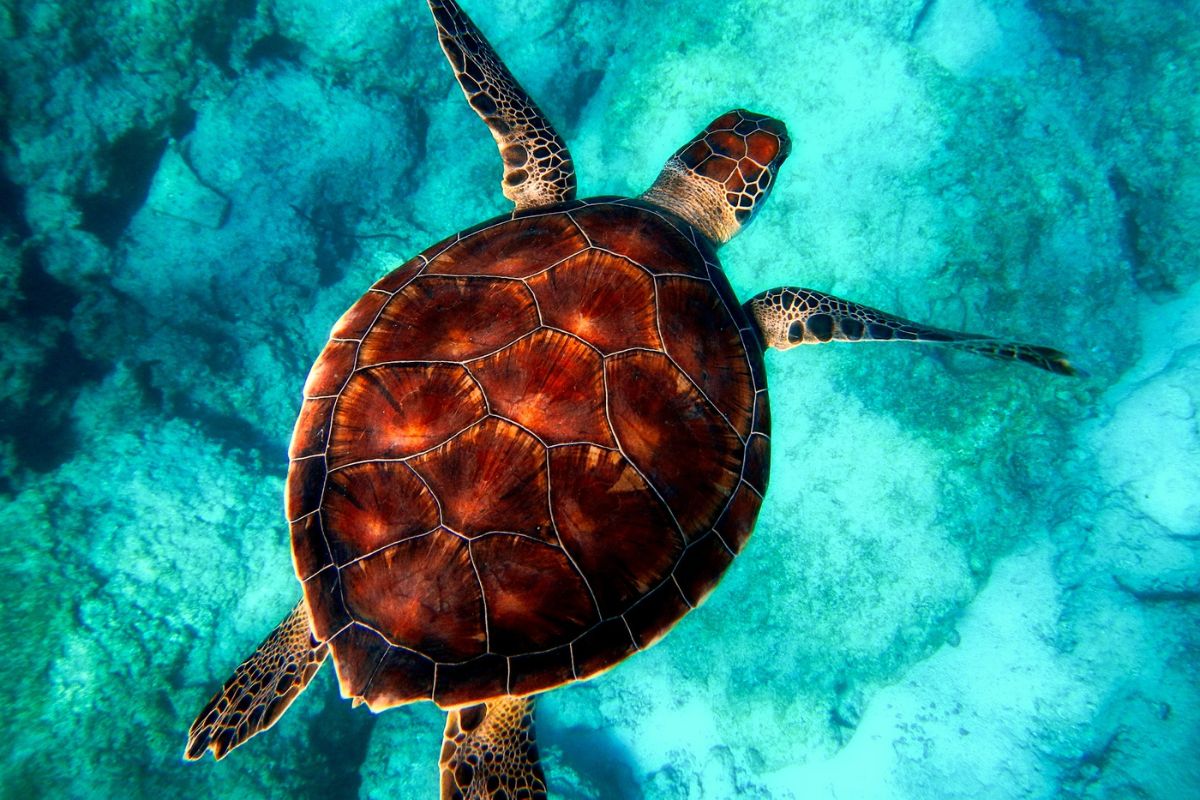
Seeing a turtle in its natural habitat remains one of the most memorable moments of a trip to Reunion Island. You can do it in the west coast lagoon, a protected Marine Nature Reserve with some of the best viewing conditions in the Indian Ocean.

Here are the 6 spots to see turtles, ranked from the most accessible to the most technical, along with the behaviour rules to follow and the guided options for anyone who wants to maximise their chances while keeping their impact on wildlife to a minimum.

Observation code

Turtles: what is strictly forbidden

  • Touching, following or blocking a turtle (a fine applies under local regulations).
  • Chasing it with fins, or forcing it to dive.
  • Feeding it, or using products (non-reef-safe sunscreen) that pollute the coral.
  • Diving down above it, which is read as predator behaviour.

Eco-guards from the Marine Nature Reserve and the maritime police regularly patrol the west coast. Offences are fined.

The details

6 ways to see turtles on Reunion Island

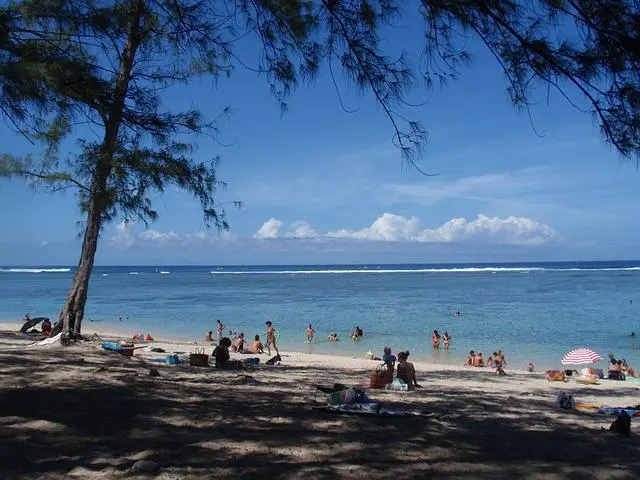
Ermitage Beach in Saint-Gilles, turquoise lagoon with casuarina trees along the shore
01Very easyMost accessible

Ermitage Beach

Saint-Gilles-les-Bains, west · Direct access from the car park, no walking

The island's best-known lagoon, protected by the coral reef and part of the Reunion Island Marine Nature Reserve. Shallow water, white sand, living coral. Green turtles come to graze on the seagrass beds along the reef during the calm morning hours.

Tip

Go between 8am and 11am for the best visibility and the calmest water. Park on the north side (free car park) and head down towards the seagrass areas along the reef. A mask and snorkel are enough; fins are recommended.
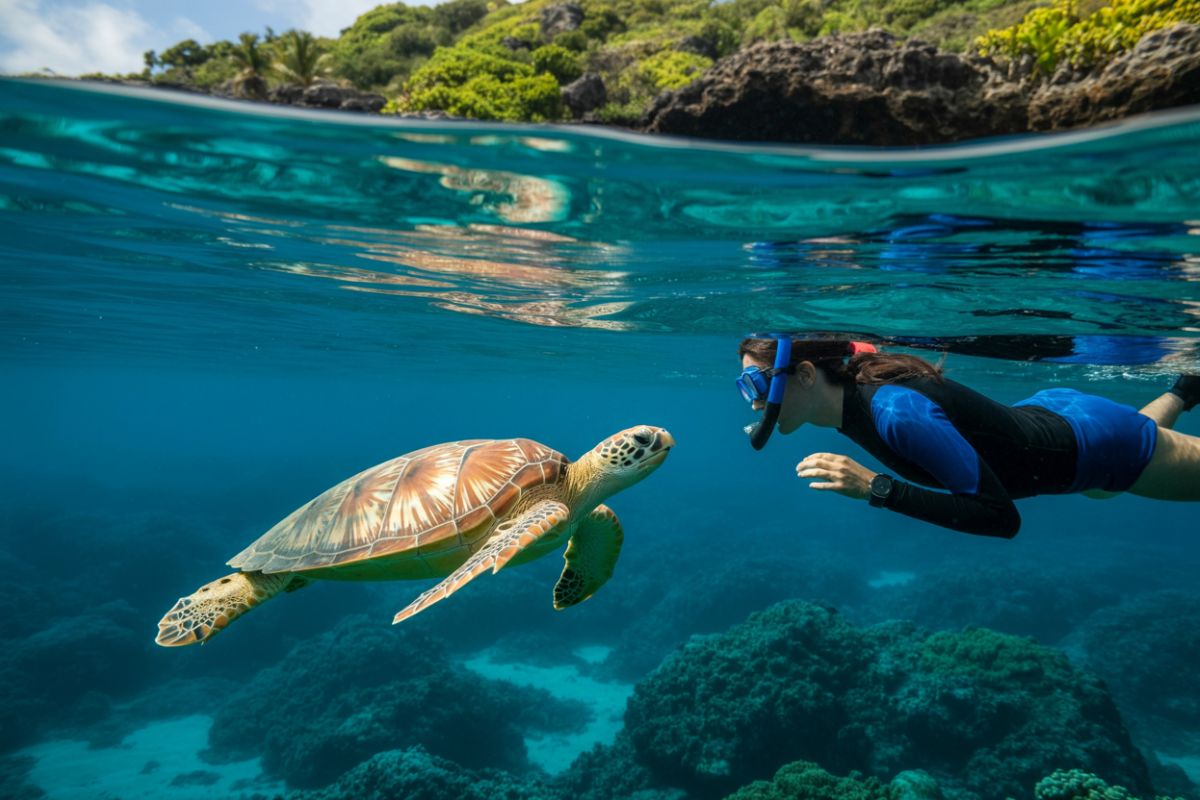
A snorkeller watching a green turtle in the clear lagoon at La Saline-les-Bains
02Easy

La Saline-les-Bains lagoon

Saint-Paul, west · Access from Trou d'Eau beach

A calmer lagoon, noticeably less crowded than the Ermitage, especially on weekdays. Green turtles are regularly seen here early in the morning, in the seagrass areas beyond the swimming buoys. Well suited to confident, unguided swimmers.

Tip

Start as soon as the car park opens (6am-7am) to have the lagoon almost to yourself. After 9am, the turtles dive back out into open water and the crowds return.

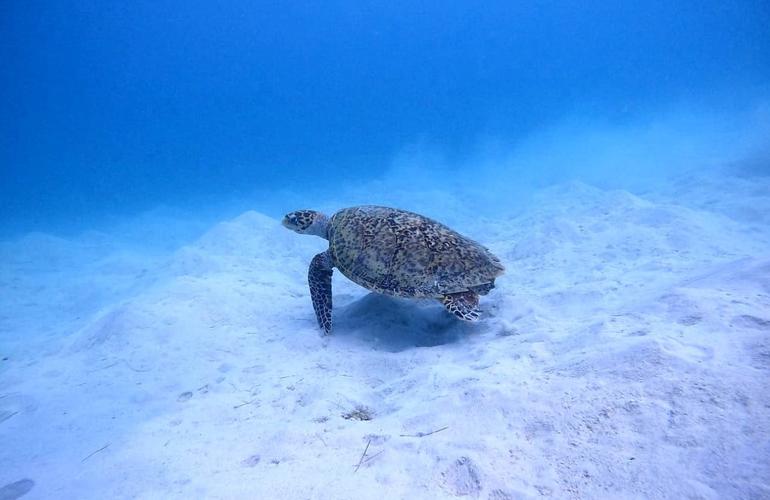
A hawksbill turtle (Eretmochelys imbricata) over a sandy seabed off Saint-Leu
03With a guide

Saint-Leu

Saint-Leu, west · More exposed coastline, a technical entry into the water

A wild but protected site within the Marine Nature Reserve. Getting into the water here is more technical than at the northern lagoons (currents, depth), best done on a guided trip. Saint-Leu is also home to the Kélonia centre, an observatory and care centre for injured sea turtles.

Tip

Don't attempt Saint-Leu alone unless you're an experienced swimmer. Several snorkelling operators run guided outings here. Combine it with a visit to Kélonia for the educational side of things.

See details and prices
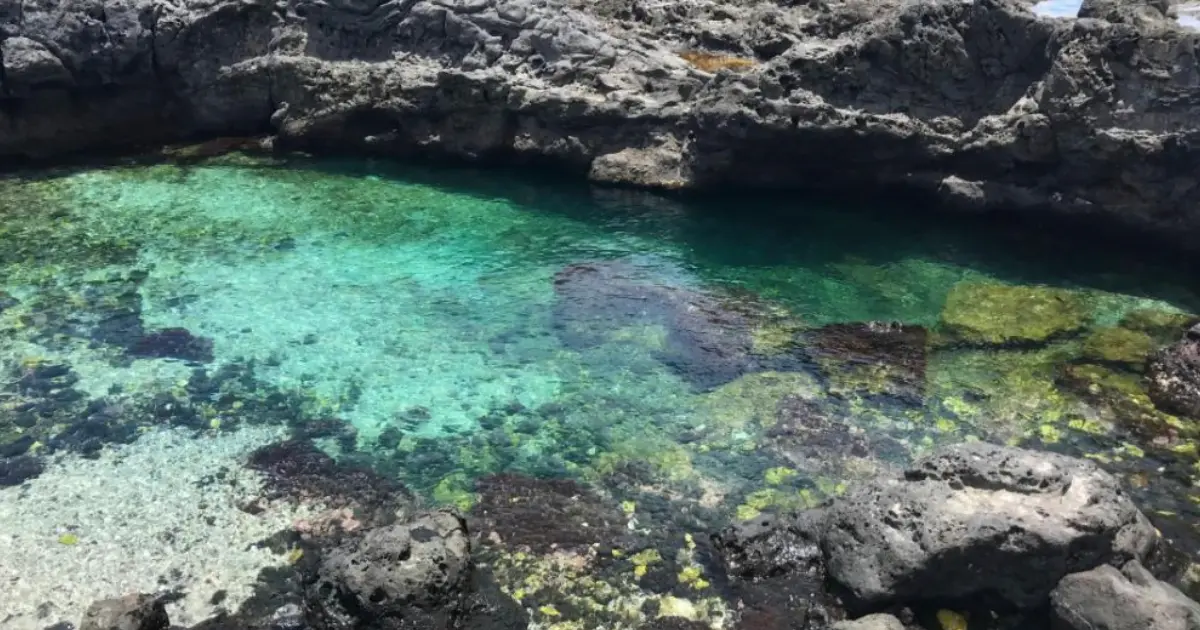
Pointe au Sel in Saint-Leu, a rocky basalt coastline well suited to turtle watching
04Very easyNo mask needed

Cap La Houssaye and Pointe au Sel

Saint-Paul / Saint-Leu · Coastal path, watching from the shore

For anyone who'd rather not put their head under water, watching from the rocky coastline works too. Cap La Houssaye to the north and Pointe au Sel to the south are two headlands where green turtles are regularly seen surfacing for air between dives.

Tip

Bring binoculars. Calm seas are essential, otherwise the surface is too choppy to spot them coming up. Morning light is best from the east side, late afternoon from the west.

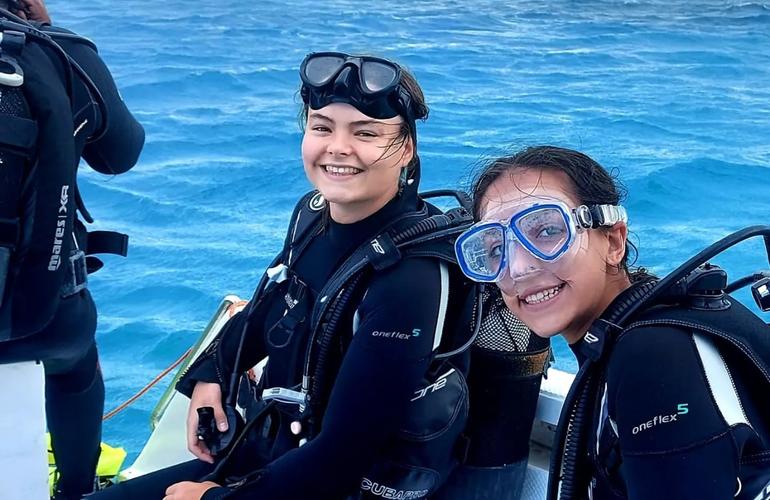
A guided snorkelling trip in Saint-Gilles, entering the water from a boat
05With a guideTop-rated

Guided snorkelling excursion

Departing from Saint-Gilles or Saint-Leu · By boat, professional water entry

A 1.5 to 2-hour boat trip, getting into the water at the reef passes where turtles head out from the lagoon towards open sea. Led by a qualified instructor, with an environmental briefing and all the gear (mask, snorkel, fins, buoyancy vest) provided. A noticeably better chance of seeing turtles than solo snorkelling, and more respectful of the observation code.

Tip

Morning trips (7am-9am) have the best visibility and the calmest turtle behaviour. Book 24-48 hours ahead in high season.

See details and prices
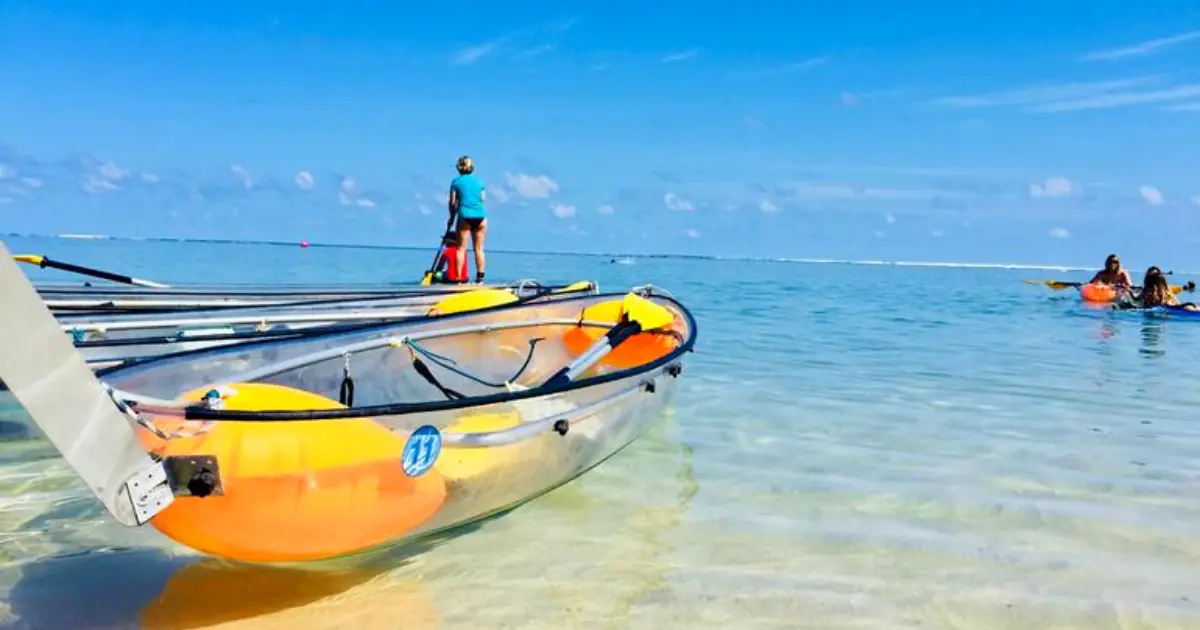
A clear-bottomed kayak on the Trou d'Eau lagoon, wildlife watching without diving in
06Very easy

Clear-bottom kayak on the lagoon

La Saline / Trou d'Eau · Launch from the beach

The option that keeps you dry. A clear-bottomed kayak lets you see fish, coral and sometimes turtles without getting in the water. A guided 1.5-hour trip, with a nature briefing included, ideal for families with young children or non-swimmers. Zero impact on wildlife.

Tip

A morning trip is recommended for flat seas and the best visibility. The late-afternoon trip sometimes adds a sunset cocktail for around €50.

See details and prices
Go deeper

See turtles on a scuba dive

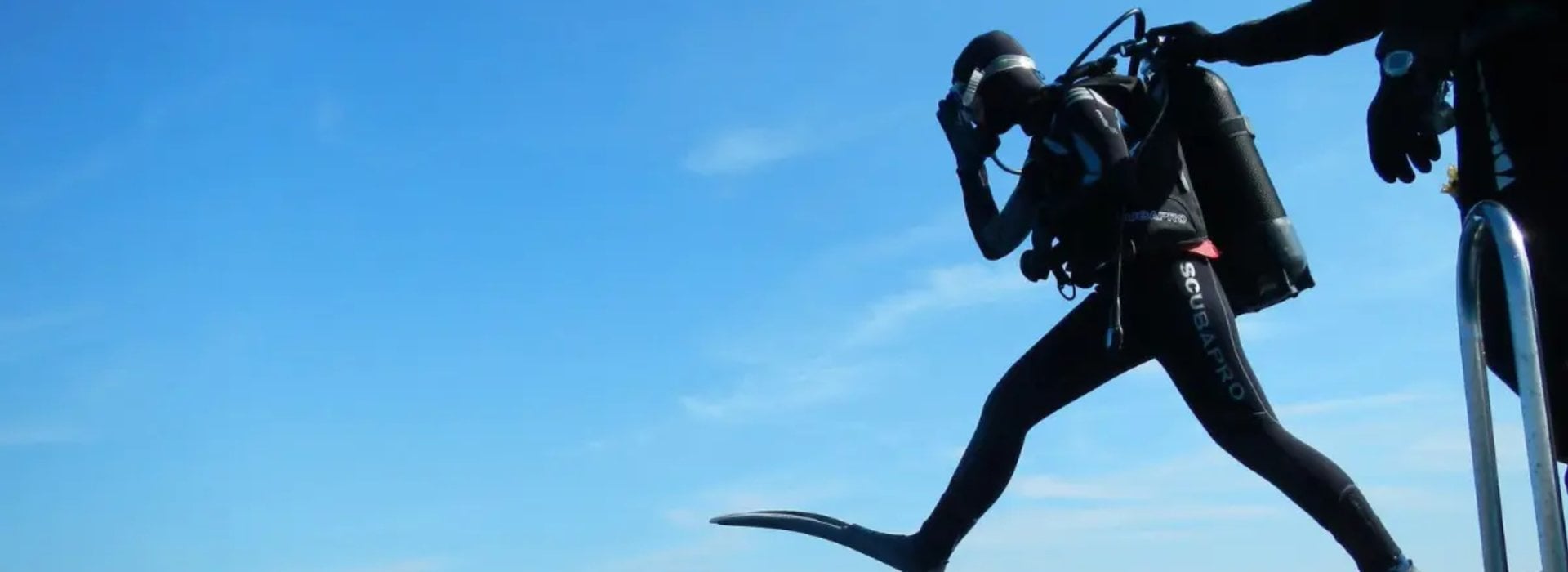
If you want to see turtles out in open water at 6-12 m depth, where they spend long resting periods on coral heads, a first scuba dive in Saint-Gilles or Saint-Leu is the ideal option. No experience needed, led by a certified instructor, water at 25-28°C all year round.

See the first dive experience
Frequently asked questions

Turtles on Reunion Island, in practice

What turtle species live on Reunion Island?
Two species are regularly seen in coastal waters: the green turtle (Chelonia mydas), the dominant species in the lagoon, which feeds on seagrass; and the hawksbill turtle (Eretmochelys imbricata), rarer, more often seen around Saint-Leu and further out to sea. Both are strictly protected under the CITES convention and French regulations.
What is the best time of day to see turtles?
Mornings between 8am and 11am, when the sun is high enough for good underwater visibility but the sea is still calm. Turtles surface to breathe roughly every 5 to 7 minutes on average. After 11am, crowds pick up and turtles become more elusive.
What is the best season to swim with turtles?
All year round. The dry season (May to November) offers the best underwater visibility and calmer seas. The wet season (December to April) brings a risk of cyclones and rain that can cloud the lagoon, but turtles are present year-round regardless.
What should and shouldn't you do around a turtle?
DO: swim calmly at the surface without forcing an approach, let the turtle come to you, use a snorkel to avoid sudden movements, wear a UV-protective rash vest rather than sunscreen (which pollutes the coral). DON'T: touch, follow, block or chase a turtle; dive down above it (perceived as predator behaviour); make noise; feed it; approach in a group. A stressed turtle may delay surfacing for air, which is dangerous for it.
Do you need a guide to swim with turtles?
Not compulsory at the Ermitage and La Saline lagoons (open access, shallow water). At Saint-Leu and at any of the reef passes, however, a guide is strongly recommended, both for safety (currents) and to respect the observation code. See the guided snorkelling page on this site.
What exactly is the Kélonia centre?
Kélonia is the sea turtle observatory in Saint-Leu, at 46 Rue du Général de Gaulle, at Pointe des Châteaux. It's an educational aquarium, a museum, and the Indian Ocean's care centre for injured sea turtles, all in one. Open daily from 9am to 6pm (ticket office closes 5pm), with guided tours in French at 10am, 11.30am, 2pm and 4pm. Prices and booking on the official site, museesreunion.fr/kelonia/.
Can you swim with turtles with children?
Yes, from around age 6 for unguided lagoon snorkelling, provided the child can swim and breathe through a snorkel. For younger children, a clear-bottomed kayak is an excellent alternative: no swimming required, watching from the kayak instead. Always have fair-skinned children wear a UV-protective rash vest.
What should you do if you see an injured or stranded turtle?
Don't touch it, don't put it back in the water, don't move it. Call Kélonia immediately on +262 262 34 81 10, or the nearest town hall. The centre has a specialist veterinary team and responds to reports. On the coast, also alert the municipal police or the Marine Reserve's eco-guards.
Go further

Keep reading

Article updated 25 September 2026. Sources: Reunion Island Marine Nature Reserve, Kélonia (Saint-Leu), IFRECOR responsible-viewing guide.