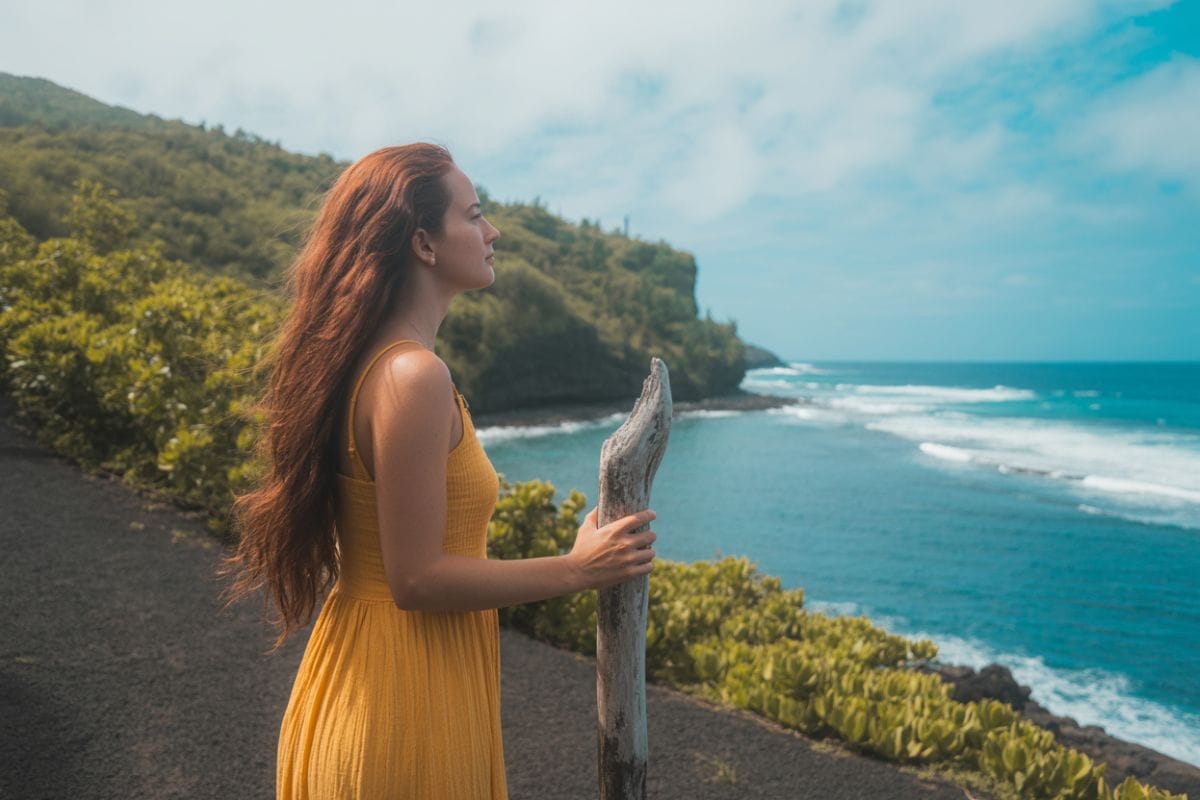
Travelling solo in Reunion Island: a practical guide
Reunion Island is one of the safest French destinations for solo travel, whether you're a woman or not. A French-speaking island, buses covering the whole coast, welcoming trekking gîtes and guesthouses, guided activities that make it easy to meet people: everything lines up for a relaxed trip. Here are the tips, itineraries and useful apps.
Safe island overall10-15 days ideal€70-130 /dayMaRando official app
Quick facts
The essentials for a solo trip
Profile
Solo woman or man, 18-65
Level required
None, open to beginners
Overall safety
A safe island, stay alert at night
Language
French everywhere
Average budget
€70-130/day
Ideal length
10-15 days
Best season
May to November
Car
Recommended to get around
Reunion Island combines two advantages for solo travel: it's France (language, currency, healthcare, decent mobile coverage along the coast), and its landscapes draw you into mixing with locals and other travellers. The half-board trekking gîte has become an institution: you sleep, eat and talk together.
Safety and common sense
Six rules for a relaxed trip
Reunion Island is safe, but the mountains remain demanding. Six practical reminders before hitting a trail or an isolated beach.
A woman alone by the sea
No notable incidents in urban or populated rural areas. As anywhere, avoid isolated beaches at night and don't cross a dry ravine during a heavy-rain warning. Street harassment is rare but not unheard of, and a firm brush-off usually does the trick.
Hiking in the mountains
The real danger in Reunion Island is the weather, not other people. Heavy rain, fog and rockfalls cause most accidents. Check the National Park bulletins before every hike, log your route on the official MaRando app (Android and iOS, free), and let a friend or your accommodation know what time you'll be back.
Wild camping or a gîte?
For a first solo trip, trekking gîtes are the better option (Mafate, Cilaos, the volcano). Booking is recommended, half-board is often included, and dinner is a chance to chat with other hikers. Solo wild camping out in nature is still possible, but it calls for some mountain experience.
Taxis and transport
The Car Jaune buses are safe, cover the whole island and are cheap. Taxis are expensive but safe: a visible price list is mandatory, and it's worth agreeing the fare before getting in. Hitchhiking works in the highlands but is best avoided alone after 6pm.
Accommodation: let the reviews guide you
Reading previous travellers' reviews remains the most reliable filter: cleanliness, welcome, how safe the surroundings feel, late-arrival access. Guesthouses and hostels make it easier to meet people. Many offer single rooms without a punishing solo-traveller surcharge.
Useful numbers
112 for the European emergency number, 15 for SAMU (medical emergencies), 17 for police, 196 for sea rescue. PGHM (mountain rescue) can be reached via 112. Remember to charge your devices and carry a spare battery for longer hikes.
A table d'hôte dinner up in the highlands often finishes after dark, just when hitchhiking alone is best avoided and the last bus may already have gone. If you'd rather drive yourself back (with whoever's driving staying off the rum), look at car hire options before you travel.
3 itineraries
How to plan your trip
Three complementary plans depending on your level and how much time you have. All solo-friendly, from first-timers to seasoned hikers.
5 daysEasy
Itinerary 1: volcano plus lagoon in 5 days
Day 1, arrival in Saint-Denis and a stroll through the town centre. Day 2, a guided ascent of Piton de la Fournaise, avoiding a solo walk at altitude. Day 3, relaxing in Saint-Pierre or at the Hermitage lagoon. Day 4, a guided snorkelling trip in Saint-Leu bay and a walk to the Bel Air lighthouse. Day 5, the Saturday street market and back to the airport. Ideal for a first solo trip, with plenty of group activities.
3 daysModerate
Itinerary 2: Cilaos loop in 3 days
Cilaos is reachable by Car Jaune bus from Saint-Louis (the famous road with 400 bends). Day 1, settling into a gîte or guesthouse and visiting the mountain chapel. Day 2, a walk to the thermal baths or Roche Merveilleuse, lunch at a table d'hôte. Day 3, tasting Cilaos wine and lentils before heading back. It's possible to extend by 2 days for a guided Piton des Neiges climb.
2 to 4 daysDemanding
Itinerary 3: Mafate, on your own or with a guide
Mafate is the only cirque with no road, reachable only on foot or by helicopter. There are several entry points: Maïdo, Sans Souci, Cap Noir, Col des Bœufs. Trekking gîtes offer half-board. Mobile signal is very limited, so it's worth telling someone your route beforehand. For a first solo visit, a local guide is reassuring and opens the door to meeting the residents of the îlets.
Six activities ideal for solo travellers
The outings that help you meet people
Guided activities are the safe bet for solo travel: you're in a group, you share the experience, and that's often where holiday friendships form. Here are six reliable options.
A guided snorkelling trip
A 2-hour trip departing from Saint-Leu, Saint-Gilles or Le Port. Guided, with shark spotters, groups of 6. Good atmosphere, gear is shared, from €40 per trip.
A Creole cooking class with a local host
An afternoon of cooking plus tasting at a local's home. Cari, rougail, achards: you learn, you laugh, and you go home with the recipes. A great way to meet other solo travellers.
A tandem paragliding flight in Saint-Leu
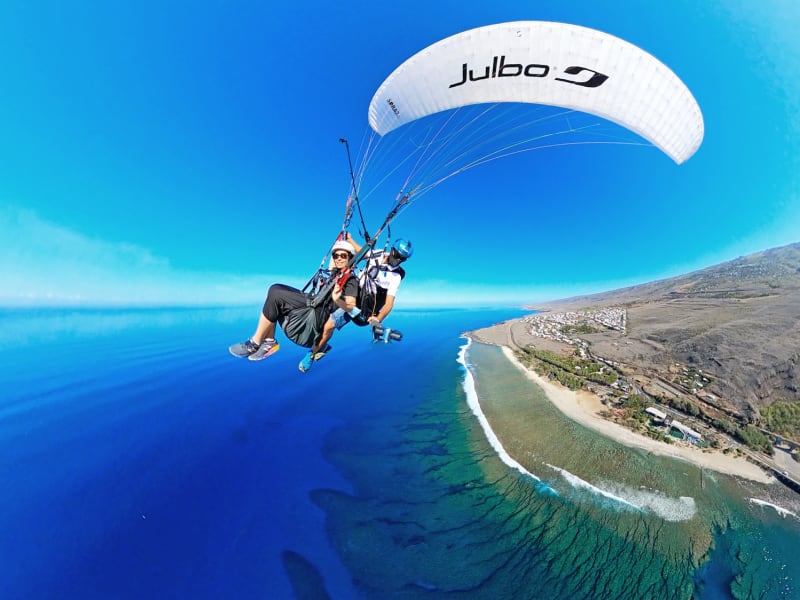
A tandem flight feels reassuring when you are travelling solo: you can trust the pilot from the very first second. 20 to 35 minutes in the air over the lagoon, landing on the beach. From €110.
A catamaran trip with whale watching
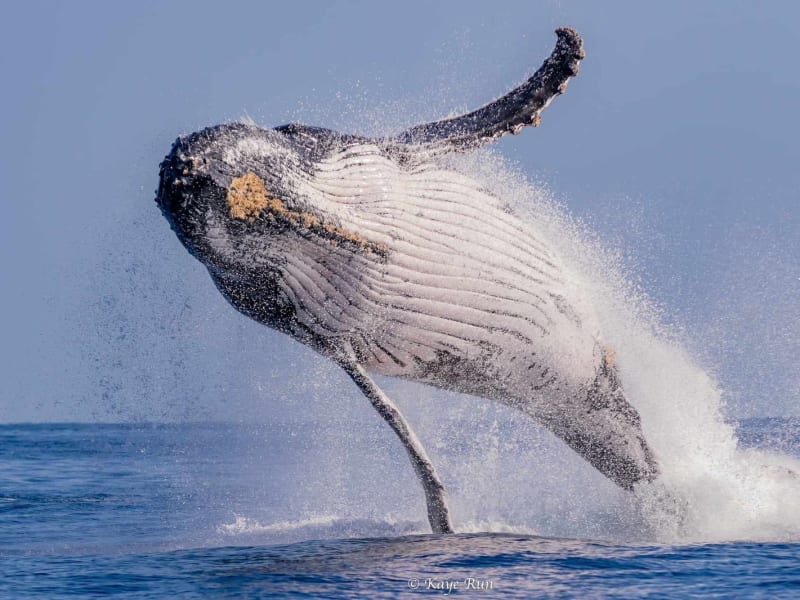
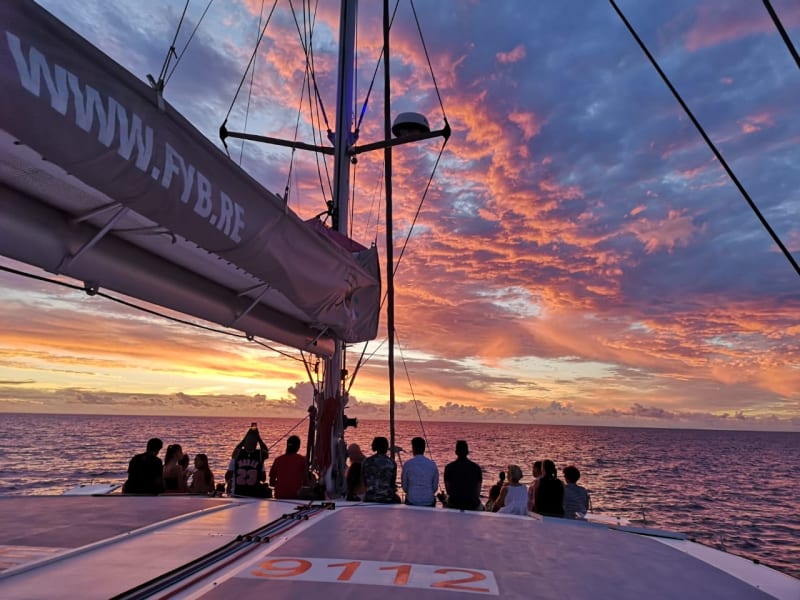
A catamaran trip with around ten passengers, a relaxed atmosphere. From June to October, humpback whale watching; the rest of the year, spinner dolphins. €55 to 75 for the half-day.
Mafate with a local guide
More reassuring than going it alone for a first trip: the guide knows the variants, the îlets, and tells the history of the Maroons. Half-board in the gîtes, meals with local residents. From €55.
A guided tour of Hell-Bourg or Saint-Denis
A relaxed 2-hour walk in a small group, a genuine immersion in Creole heritage. Hell-Bourg is listed among the Most Beautiful Villages of France (Plus Beaux Villages de France), while Saint-Denis is the historic capital with its Creole houses. Easy conversation along the way.
Activities to book
A verified selection for solo travellers
Partner listings recommended for a solo trip: reliable guiding, small groups, a relaxed atmosphere, clear pricing.
A helicopter flight to see the whole island at once
For solo travellers short on time, a helicopter flight covers Mafate, Cilaos, Piton des Neiges and Piton de la Fournaise in a single outing. A reassuring group atmosphere, stunning photos, 30 to 55 minutes in the air from Roland-Garros, Saint-Pierre or Pierrefonds.
Travelling by campervan alone in Reunion Island is easier than you'd think: short driving legs, tolerated wild-camping areas, mild climate. Yescapa connects owners with travellers: a wide choice of vehicles, with drop-off possible at Roland-Garros or Pierrefonds airport. For anyone wanting to kit out a vehicle for full independence, the hard-shell rooftop tents are a proven way to extend how many nights you can spend off-grid.
It's a remark solo travellers passing through Reunion Island keep making: I went there alone, and I was never really alone. Creole hospitality, the sheer density of guided activities, and the island's human scale (70 km × 50 km) mean encounters happen without even trying.
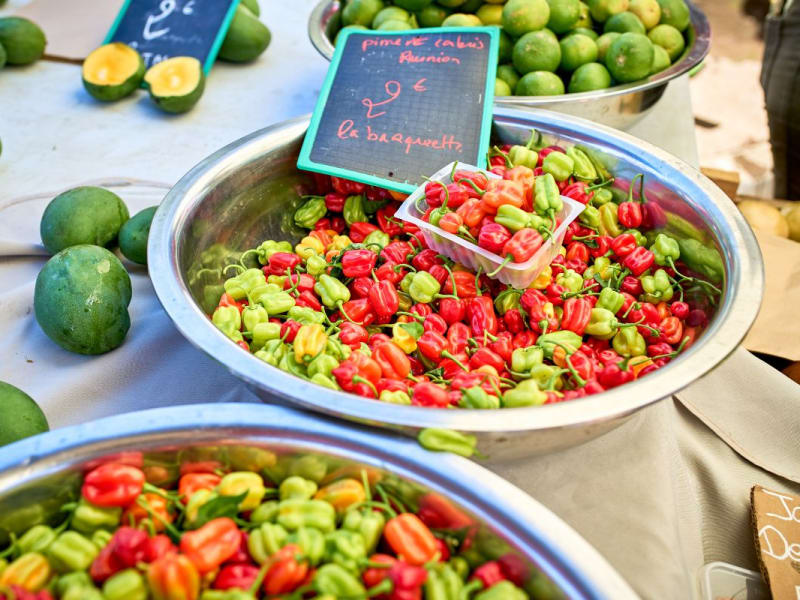
A few formats that never fail: guesthouse table d'hôtes (a Creole dinner served at one big table), the trekking gîtes of Mafate (you inevitably share the dorm and the half-board meals), and weekend street markets (Saint-Paul on Friday-Saturday, Saint-Pierre on Saturday, Saint-Joseph on Sunday).
The island also has a genuine community of solo travellers on Instagram and Facebook: local groups, hikers, expats. Before you leave, joining a regional group for a couple of weeks gets you contacts and on-the-ground recommendations from the moment you arrive. Once there, making table d'hôte your default dinner choice remains the best way to weave travel and connection together.
Go further
Further excursions and reading
Six key pages to help shape your itinerary based on your profile and budget.
Is it dangerous to travel alone in Reunion Island?
No. Reunion Island is generally a safe destination, including for a woman travelling alone. The main risk while hiking is weather-related (heavy rain, fog, rockfalls), not human. As anywhere: avoid isolated areas at night, let someone know your route, and download the official MaRando app (free). Street harassment happens occasionally but is rarely threatening.
How long should a solo trip to Reunion Island be?
Ten to fifteen days let you combine the volcano, the lagoon and a cirque without rushing. Five days works for a first taste of the volcano plus lagoon. Fifteen days minimum if you want to add Piton des Neiges, a multi-day Mafate trek, and some downtime. Beyond three weeks, the island still has plenty left to explore in terms of marine wildlife and seasonal activities (whales from June to October).
Where should you stay when travelling alone in Reunion Island?
Hostels and guesthouses make it easier to meet people. In Cilaos, Mafate and around the volcano, trekking gîtes often offer single rooms for €30 to 50 with half-board. In Saint-Pierre, Saint-Gilles or Saint-Leu, there are more hotels: expect €70 to 130 for a standard room. See the budget accommodation guide for more.
Do you need a car to travel solo?
A car is recommended for getting around freely. Without one, the Car Jaune network (inter-town buses) covers the main towns, but your independence is limited for trails and the highlands. For a trip focused purely on Mafate, Cilaos and the volcano hikes, you can get by with buses plus gîte shuttles. See the guide to travelling without a car.
Which activities are ideal for solo travellers?
Any guided activity: snorkelling, paragliding, diving, catamaran trips, canyoning, Creole cooking classes, guided hikes. The group format keeps things safe and makes it easy to meet people. For solo exploring: markets (Saint-Paul, Saint-Pierre, Saint-Joseph), guided village tours, waymarked National Park trails.
Is Mafate solo a good idea?
For a first solo trip to Reunion Island: no. Mafate calls for mountain experience, has virtually no mobile signal, and requires a good sense of direction. To discover the cirque without unnecessary risk, take a guided 2 or 3-day hike with a local guide. For experienced hikers, the network of gîtes makes going independently possible, provided you book ahead.
What budget should you plan for a two-week solo trip?
Budget €70 to 130 a day depending on comfort level: accommodation €30 to 80 a night, meals €15 to 30, car hire €25 to 40 a day, activities €0 to 95. For two weeks, the overall range is €1,200 to 2,500 excluding flights. See the low-budget activities guide for more.
What's the best season for solo travel in Reunion Island?
May to November: the dry season, ideal for hiking, clear seas, whales from June to October. December to April: the humid cyclone season, some trails close, flight prices are higher. For anyone combining the beach and hiking, July-October is the sweet spot, though it's local high season, so book early.
Should you tell someone before every hike?
Yes, it's even the local habit. Send your route by text or WhatsApp to a friend or your accommodation, state your expected return time, and call once you're back. The official MaRando app logs your track and remains the reference for National Park trails. Several other local apps also list community-managed trails.
Is solo accommodation more expensive?
Single rooms exist, but the gap with a double often sits around 20%. To cut costs, go for dorms (€20 to 30 a night) or a room with a local host. Many guesthouses offer table d'hôte, a shared meal with other travellers and the hosts: well worth choosing.
Any advice for women travelling solo?
As in any destination: confidence, staying calm, low-key clothing in urban areas if you'd rather not draw attention, extra vigilance at night, not flashing expensive gear. Reunion Islanders are warm and welcoming, and help is easy to find if you ask; French (and Creole) is spoken everywhere, so a few words of French go a long way.
Which apps should you install before leaving?
MaRando (the official National Park app), Margouill'App (local trail listings, margouillapp.re), Car Jaune (bus timetables), Météo France Réunion, Citymapper. For local ride-sharing, Dineo.re (dineo.re) connects residents on the move and can help out when you don't have a car.