Updated September 2026

Free Things to Do in Reunion Island: 10 ideas at €0

Lagoon, waterfalls, whales, hiking, wild camping, markets, the lava road: many of the island's most iconic experiences cost nothing. Here are 10 must-dos for €0.

10activitiesYear-roundmost of themFamily-friendlymost of them

Reunion Island is unusual among tropical destinations: its most memorable experiences are free. You don't need a ticket to see a 300 m waterfall, cross a cooled lava flow or watch whales offshore.

Here are 10 things worth doing for €0, whatever your budget. For low-cost paid activities, see ‘12 cheap things to do from €5’.

The real cost of these €0 days is getting there: the lava road, the Bélouve car park for Trou de Fer and Le Souffleur in L'Étang-Salé are scattered right across the island. If you hire a car to string them together, it pays to find a fairly priced hire car; split between a few of you, hire and fuel costs soon shrink.

Contents

10 free things to do at a glance

  1. 1
    Lagoon swimming and snorkelling
    L'Ermitage, La Saline, Saint-Leu, Saint-Pierre, L'Étang-Salé
    Sea
  2. 2
    Waterfalls and natural pools
    Wild south, east and north of the island
    Waterfall
  3. 3
    Whale watching from the shore
    West coast, Grande-Anse, Barachois
    Wildlife
  4. 4
    Hiking in the cirques and at the volcano
    Mafate, Cilaos, Salazie, Piton de la Fournaise
    Hiking
  5. 5
    Wild camping at authorised spots
    Across the island (marked sites)
    Hiking
  6. 6
    Notre-Dame-des-Laves church
    Piton-Sainte-Rose, east
    Heritage
  7. 7
    The Jardin de l'État and colonial Saint-Denis
    Saint-Denis
    Heritage
  8. 8
    The lava road
    From Sainte-Rose to Saint-Philippe, the RN2
    Volcano
  9. 9
    Weekend street markets
    Saint-Pierre, Saint-Paul, Étang-Salé, Saint-Leu
    Market
  10. 10
    Le Souffleur blowhole, L'Étang-Salé
    Between Saint-Leu and Étang-Salé, the old RN1
    Sea
The details

The 10 free things to do in detail

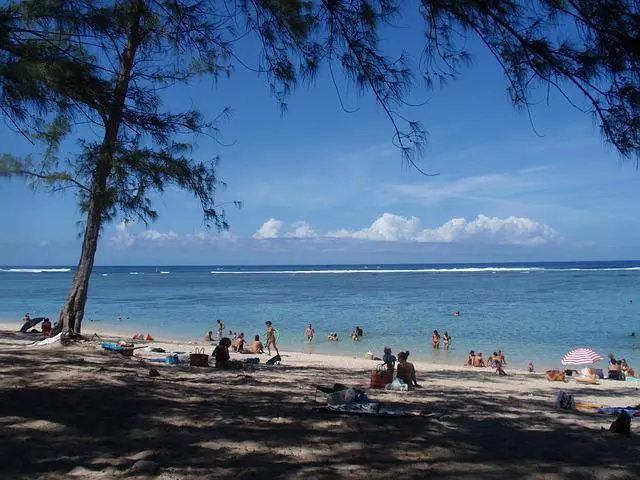
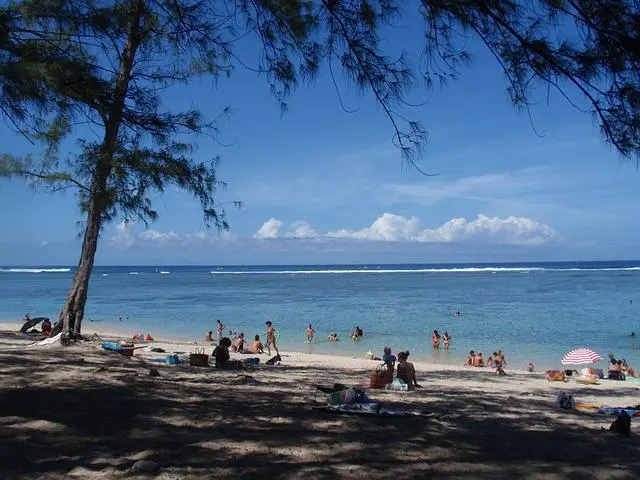
Ermitage beach and the turquoise lagoon in Reunion Island
01SeaThe easiest
€0

Lagoon swimming and snorkelling

L'Ermitage, La Saline, Saint-Leu, Saint-Pierre, L'Étang-Salé

The island has around 25 km of lagoon protected by the coral reef, along the west and south-west coasts: white sand at l'Ermitage, calmer water at La Saline, a wilder feel at Saint-Pierre. Over 3,500 marine species live in these shallow waters, including butterflyfish, triggerfish, stingrays and, with a bit of luck, green turtles.

Tip

Go early (7am-10am) for the best visibility and the fewest people. A mask and snorkel are enough, though fins help near the edge of the reef. Wear a UV rash vest rather than sunscreen, which harms the coral.
See where to swim with turtles
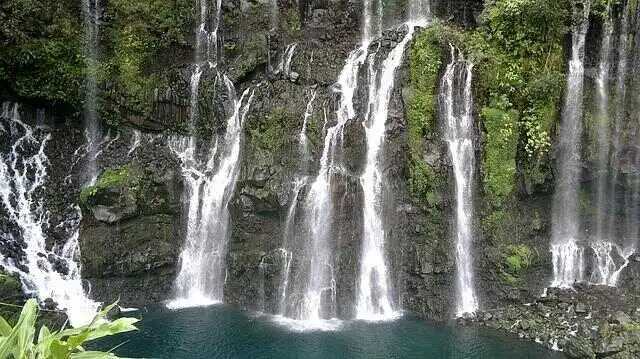
Cascade de Grand-Galet in Langevin, a basalt wall with countless streams of water
02Waterfall
€0

Waterfalls and natural pools

Wild south, east and north of the island

Cascade de Grand-Galet in Langevin, Cascade Niagara in Sainte-Suzanne (a drop of about 25 m), Bassin la Paix in Saint-Benoît with its basalt columns, Bassin Bleu in Sainte-Anne and, of course, the Trou de Fer viewpoint in the Bélouve forest, one of the tallest waterfalls in France (a gorge over 300 m deep).

Tip

Check how much rain has fallen in the last 24-48 hours before getting into a pool: a flash flood after a storm can turn a peaceful spot into a death trap within minutes, and there are accidents every year. Respect closures (the Cascades de Saint-Gilles, for example).

See the 12 swimming spots
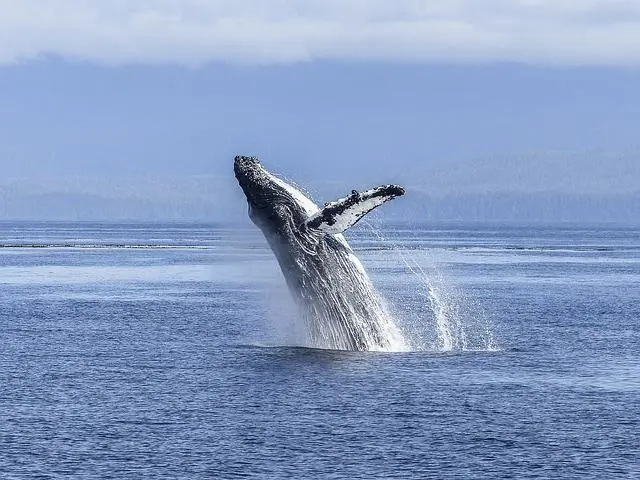
A humpback whale breaching off Reunion Island during the season (July-October)
03Wildlife
€0

Whale watching from the shore

West coast, Grande-Anse, Barachois

From July to October, humpback whales come up to Reunion Island's warm waters to breed and calve, and you can spot them with the naked eye from several points on the west and south coasts: the Saint-Leu coast road, the Grande-Anse viewpoint, the Barachois seafront in Saint-Denis. Bring binoculars to pick out the blows, breaches and fins.

Tip

The best time is mid-morning (9am-11am), when the sea is calm, and high rocky points give the widest view. If you want to get closer, a paid boat trip is the answer: see the whale-watching guide.

Also see: the dolphin boat trip
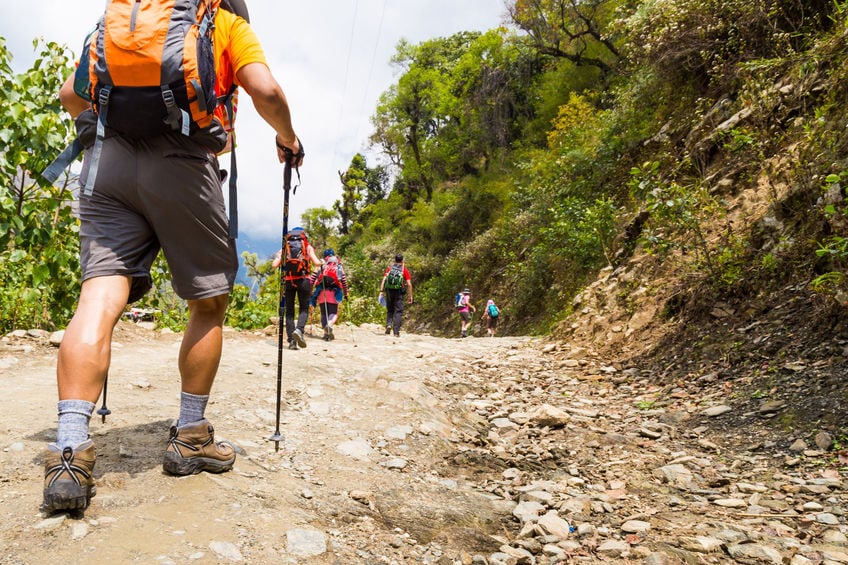
A hiker seen from behind with a backpack in a canyon, free access on the National Park's trails
04Hiking900 km of trails
€0

Hiking in the cirques and at the volcano

Mafate, Cilaos, Salazie, Piton de la Fournaise

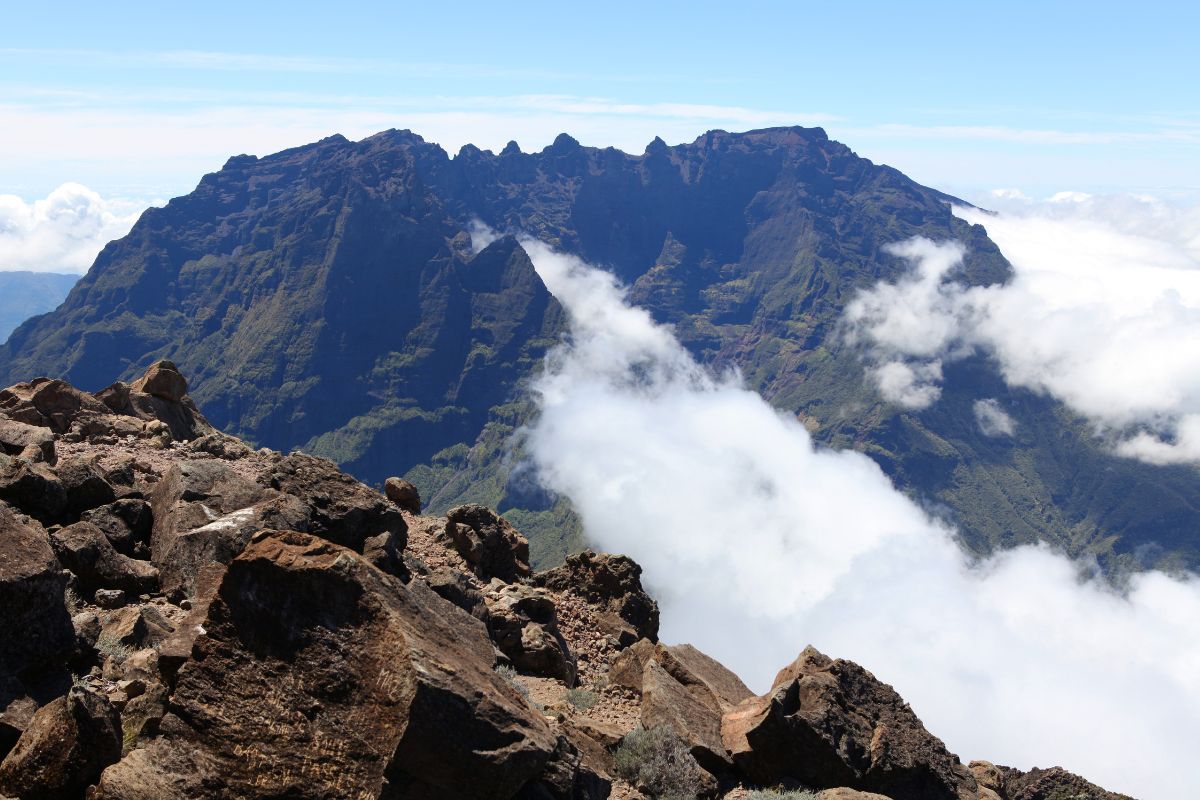
Over 900 km of trails waymarked by the ONF (French forestry office) and Reunion Island National Park, from Piton des Neiges (3,070 m, the highest point in the Indian Ocean) to the loop around Piton de la Fournaise, by way of the Mafate, Cilaos and Salazie cirques. Free and open to all. The Grand Raid ultra-trail (the Diagonale des Fous) crosses the whole island in October: around 165 km with over 9,000 m of ascent.

Tip

Check trail status on randopitons.re before setting off. Several routes suit families with children: Mare à Poule d'Eau, Cap Noir, Grand Étang. See the dedicated guides for more.

12 easy hikes with children
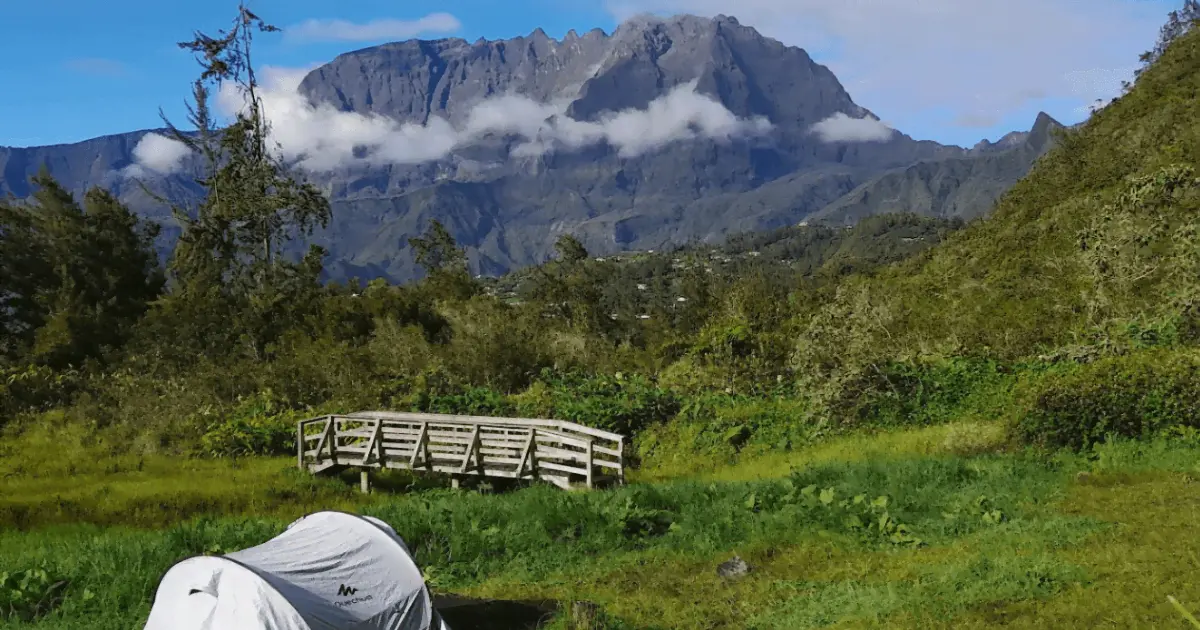
A wild-camping tent in the Salazie cirque facing the cliffs
05Hiking
€0

Wild camping at authorised spots

Across the island (marked sites)

The island has several dozen free wild-camping spots: by the sea (Pointe au Sel, Ti'Sable), in the mountains (Maïdo, Piton des Neiges) and in state forest (Bélouve, Bébour, Tévelave). Some even have picnic tables, barbecues and shelters. The 'Sous les Étoiles 974' app lists checked spots.

Tip

Take the tent down at daybreak (the official rule), take your rubbish with you, and choose flat, grassy ground. If in doubt, check local council and prefecture rules, as some sites close at certain times of year.

31 wild-camping spots in detail
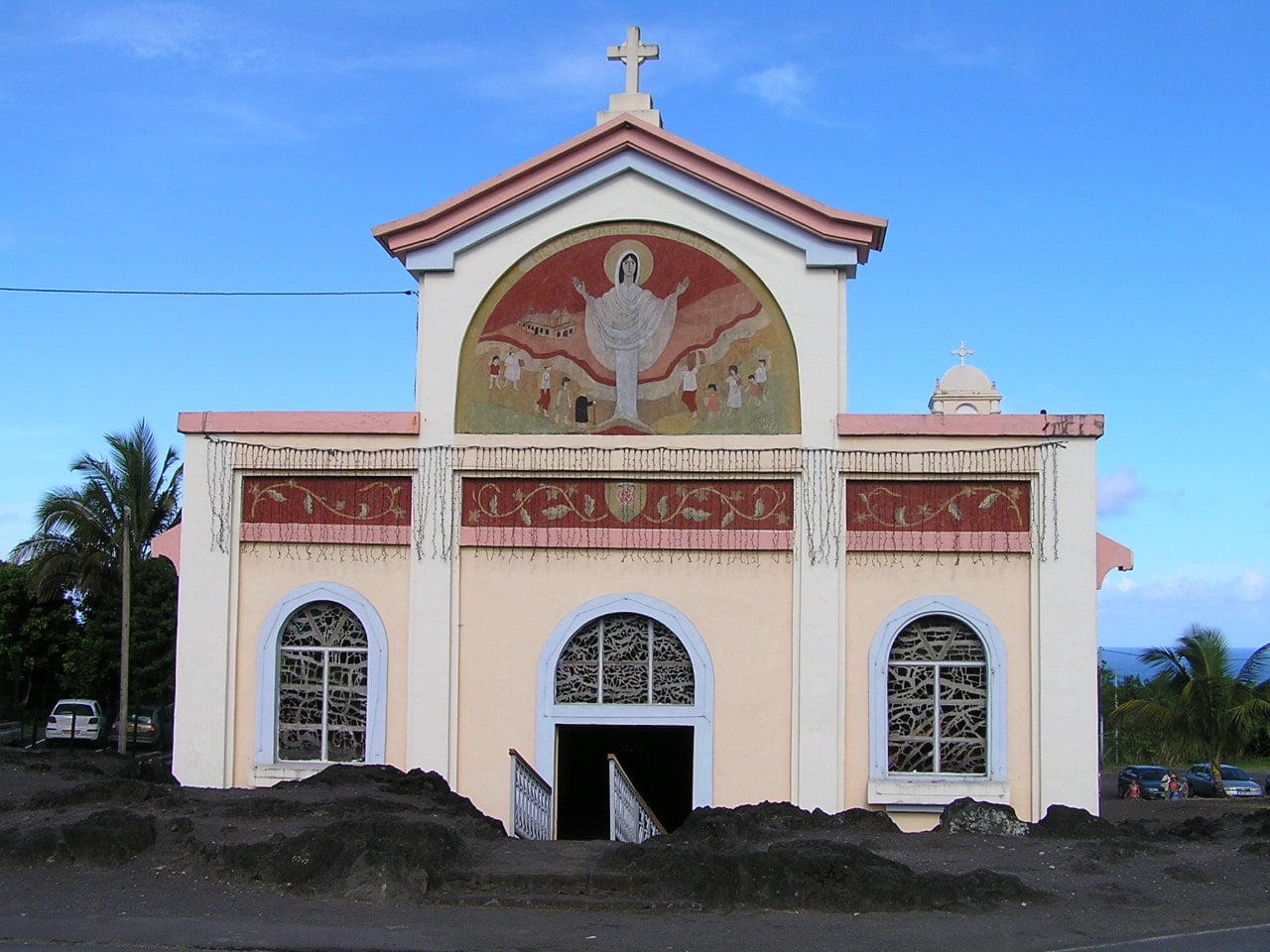
The façade of Notre-Dame-des-Laves church in Piton-Sainte-Rose, a fresco of Christ and the 1977 basalt flow frozen in front of the entrance
06Heritage
€0

Notre-Dame-des-Laves church

Piton-Sainte-Rose, east

An iconic sight in the east of the island: during the April 1977 eruption, a lava flow from Piton de la Fournaise swept through the village of Piton-Sainte-Rose, went round the church and only entered it by a few metres, stopping right in front of the altar. Free to visit on your own.

Tip

Combine it with the lava road to the south (see number 8) for a full volcano-themed day. Opening depends on mass times, so check with the local tourist office.

Aerial view of Saint-Denis, the capital of Reunion Island: the seafront, the colonial town centre and mountains in the background
07Heritage
€0

The Jardin de l'État and colonial Saint-Denis

Saint-Denis

The Jardin de l'État (about 4 hectares), the botanical garden in the heart of Saint-Denis, is home to hundreds of trees, spices and tropical plants, plus the Natural History Museum (paid entry, but the garden is free). The historic streets around it, especially Rue de Paris, still have some superb 18th and 19th-century Creole colonial houses.

Tip

Add the Petit Bazar market and Saint-Denis Cathedral for a day of heritage. Parking in the centre is difficult, so use the Préfecture or Front de Mer car parks.

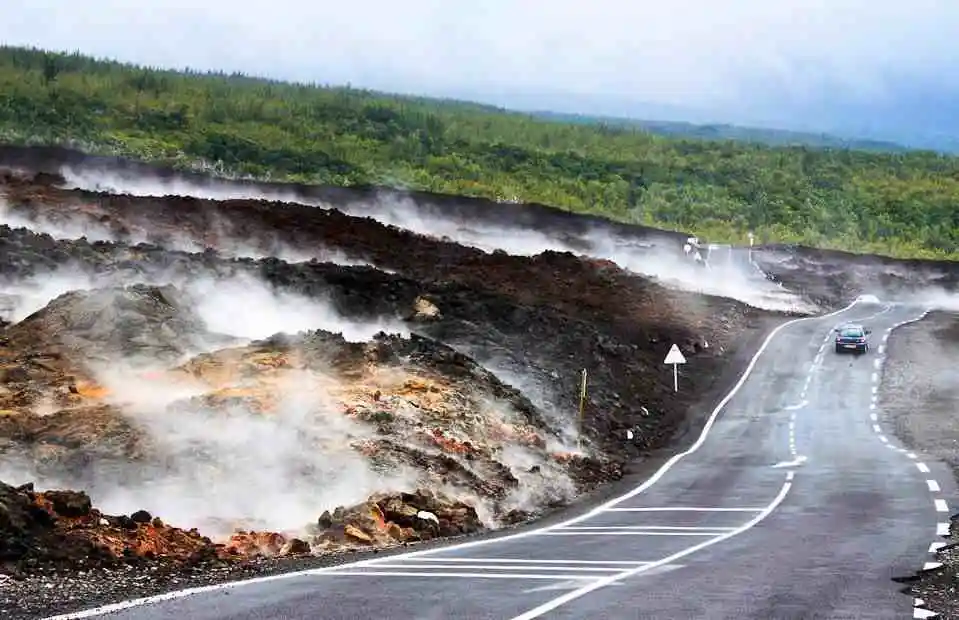
The lava road crossing the Grand Brûlé flows between Sainte-Rose and Saint-Philippe
08Volcano
€0

The lava road

From Sainte-Rose to Saint-Philippe, the RN2

A stretch of the RN2 main road across the Grand Brûlé, where Piton de la Fournaise's lava flows reach the sea. The road winds between the 1977, 1986, 2002 and 2007 flows, some only now being colonised by the first plants. There are viewpoints, a panorama table halfway along and black-sand beaches at the end of some flows.

Tip

Allow 1.5 hours for a relaxed drive with stops. Combine it with wild camping at Anse des Cascades or a lava tunnel trip later in the day. During or just after an eruption, the road may be closed for a while (see the eruption update page).

Follow the ongoing eruption
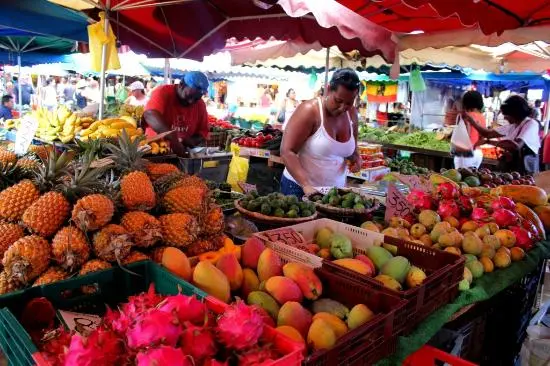
A stall of tropical fruit (pineapples, mangoes, dragon fruit) at the Saint-Pierre market
09Market
€0

Weekend street markets

Saint-Pierre, Saint-Paul, Étang-Salé, Saint-Leu

Saint-Pierre on Saturdays from 6.30am to 1pm (seafront), Saint-Paul all day Friday and on Saturday morning (beachfront), L'Étang-Salé on Sundays, Saint-Leu on Saturdays. Colours, the scent of spices, Bourbon vanilla, Victoria pineapples, achards (spicy pickles), samoussas and dumplings of every kind. Browsing is free, and producers often offer tastings.

Tip

Saint-Pierre is the biggest but also the most touristy. Saint-Paul is more authentic: get there early (7am-8am) to beat the crowds. Bring a reusable bag and small change.

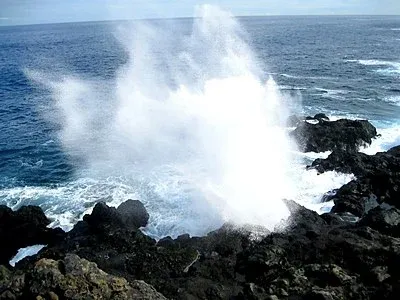
Le Souffleur in Étang-Salé erupting, a natural geyser on the basalt coast
10SeaSpectacular
€0

Le Souffleur blowhole, L'Étang-Salé

Between Saint-Leu and Étang-Salé, the old RN1

A spectacular blowhole: a sea cave under the basalt cliff with an opening at the top. When the swell surges in, the trapped air is compressed and shoots water out in a jet several metres high. Best on a rising tide with a bit of swell. Free, from the roadside car park.

Tip

Go the day after rough seas (not during, when it gets dangerous). Always stay on the marked path and the viewing platform: the rock is slippery and waves sometimes reach the platform. Combine with the nearby Gouffre de l'Étang-Salé and Pointe au Sel.

Take it further

12 cheap paid activities

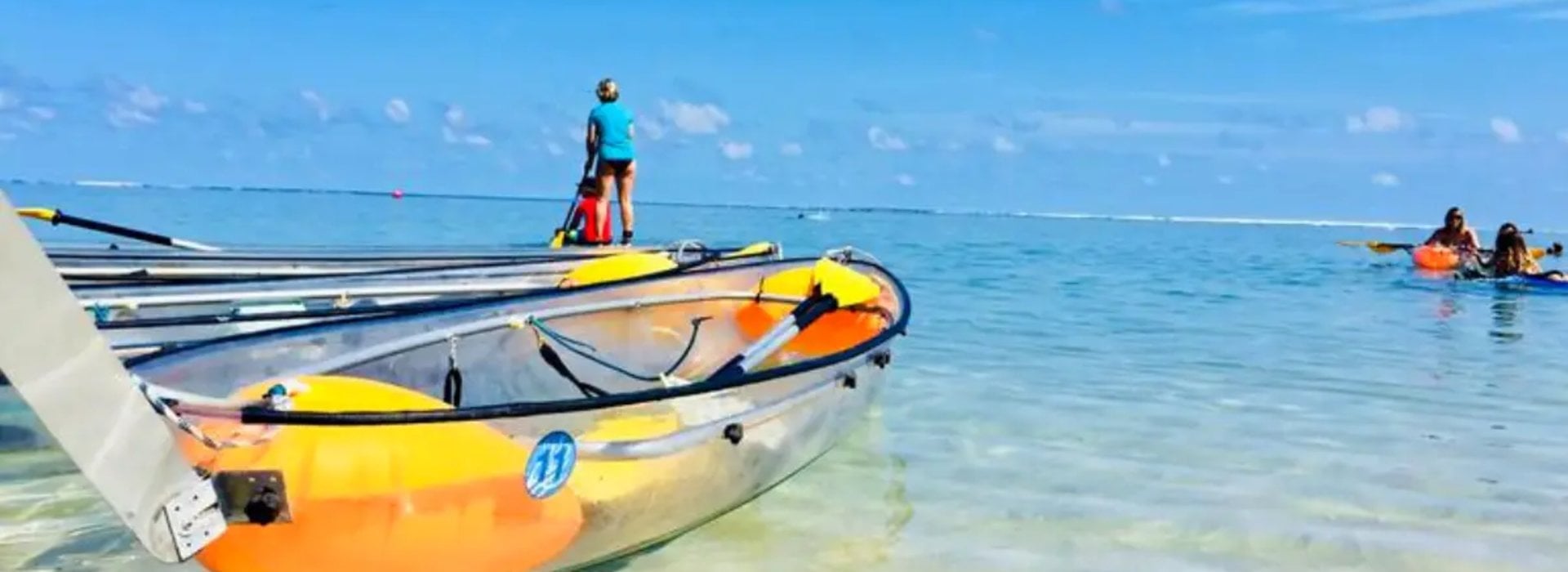
When free activities won't fill a whole day, add a cheap guided one: lagoon paddleboarding (€5), mountain biking (€10), a lava tunnel (€50), glass-bottom kayaking (€50), rafting (€35). See the full selection.

See the 12 cheap things to do
Frequently asked questions

Free things to do: your questions answered

Are these activities really 100% free?
Yes, all 10 are completely free. The only costs are fuel and the odd car park (sometimes €2-5 in high season). For wild camping, allow for gear (tent, sleeping bag) or hire (around €25 a day for a 2-person kit).
How many free activities can I fit into a week?
In 7 days, you can easily fit in 4-5 of them without wearing yourself out: one day for the lagoon plus waterfalls, one day for an easy hike, one day for the lava road plus Notre-Dame-des-Laves, one day for heritage (Saint-Denis) plus the market, one day for Le Souffleur plus Pointe au Sel. Fill the rest of the time with some paid activities (see the guide to 12 cheap things to do).
Which free activities work well with children?
The best ones for children: swimming in the Ermitage and Saint-Pierre lagoons (shallow water, parking, snack bars), Bassin Bleu in Sainte-Anne (calm water, picnic areas), Mare à Poule d'Eau in Salazie (a short walk, birdwatching), the Jardin de l'État in Saint-Denis (green and safe) and the weekend markets (lively, with tastings).
When is the best time of year for these free activities?
May to November (the dry season) for hiking, wild camping and waterfalls. July to October adds whale watching from the coast. The lagoon, the markets and the heritage sites work year-round. Avoid December-April (cyclones and rain) for the riskier outdoor activities (mountain camping, waterfalls).
Is Trou de Fer free to visit?
Yes, the viewpoint is free, but allow 2 hours 45 minutes on foot there and back from the Bélouve car park, on a damp trail through primary forest. If you don't hike, you can see the waterfall from a helicopter (paid).
Do I need a permit for wild camping?
At official sites marked by local councils or the ONF (forestry office): no, it's free. In the core of Reunion Island National Park (strictly protected): only in certain designated areas. On private land: you need the owner's permission. The Sous les Étoiles 974 app shows the status of each spot.
Keep reading

Continue reading

Article updated on 19 September 2026.