The heart of the island's Tamil culture, the birthplace of Bourbon vanilla and the gateway to the Mafate cirque via Col des Bœufs. From the Colosse Temple, built by craftsmen from Madras, to vanilla estates, the Friday market and Cavadee, here's the complete guide to this Indo-Creole town.
56,000 people1841 Edmond Albius and vanillaCavadee Jan.-Feb.Col des Bœufs Mafate
Quick facts
The essentials on Saint-André
Type
Heart of Tamil culture · east coast
Population
≈56,000 people
Distance from Saint-Denis
≈30km · 30 min
Distance from Saint-Benoît
≈25km · 25 min
Climate
23-30°C, humid
Speciality
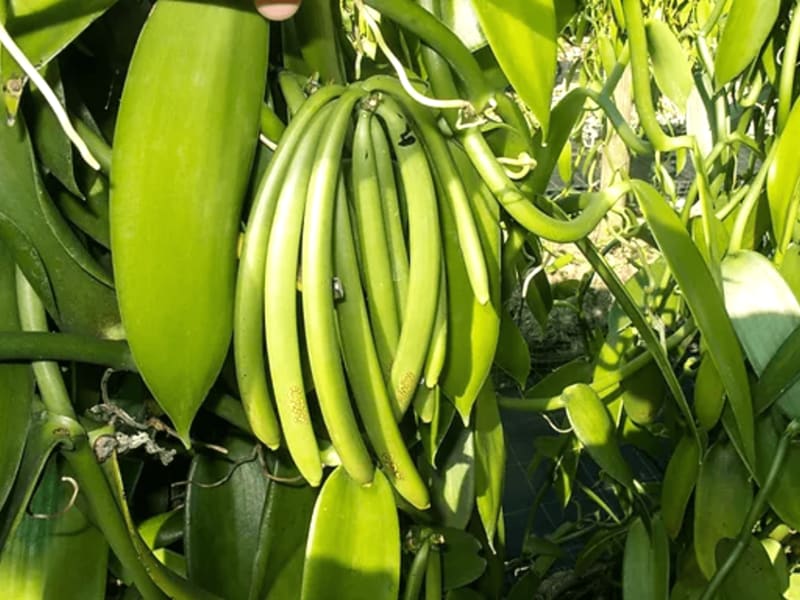
Bourbon vanilla (where it all began)
Mafate access
Col des Bœufs (1h15) by 4x4
Street market
Friday morning
Saint-André is the island's most Indian town. After slavery was abolished in 1848, tens of thousands of indentured labourers came from Tamil Nadu to work on the sugar-cane plantations. They settled here and built their temples, homes and traditions, and Indo-Creole culture still sets the rhythm of life today.
It's also where Bourbon vanilla was born, home to the big Friday market, and the main gateway to the Mafate cirque via Col des Bœufs (by 4x4, then on foot). Roland Garros airport is only 30 minutes away along the N2, so if you pick up a rental car on arrival, you can take in the temples, the market and the road up to Salazie without planning around bus times.
Tamil temples
2 iconic temples
The Colosse Temple in Champ Borne, one of the largest in France, and the Petit Bazar Maryen Péroumal Temple in the town centre.
The must-see
Colosse Temple (Champ Borne)
One of the largest Tamil temples in France, built by Indian worshippers and craftsmen from Madras, with a façade entirely carved and painted by hand and a multi-tiered gopuram (gateway tower) covered in statues of Hindu gods. It symbolises the Tamil community that came to Reunion Island after slavery was abolished in 1848, to work on the sugar-cane plantations.
Petit Bazar Temple (Maryen Péroumal)
In Saint-André town centre, dedicated to the goddess Pandialé. It has a Dravidian-style pyramid tower with colourful statues and a sacred enclosure lined with filao trees. The tourist office runs workshops and guided visits, especially around Cavadee.
The birthplace of vanilla
3 Bourbon vanilla estates
It was near Saint-André, in Bras-Panon, that in 1841 young Edmond Albius (12 years old, enslaved) discovered how to pollinate vanilla by hand, a technique that transformed vanilla growing worldwide. Reunion Island has produced Bourbon vanilla ever since, prized for its woody, fruity aroma.
Vanilla Estate (Grand Hazier)
A historic plantation around a listed Creole manor house. The guided visit takes in the greenhouses and drying sheds, with a demonstration of the hand pollination technique invented in Reunion Island in 1841 by Edmond Albius, plus tastings and a shop.
Price: ≈€8-12/person
Best for: Families · food lovers
Grand Hazier Estate Vanilla Plantation
Another estate open to the public, smaller and quieter, with a guided walk and black Bourbon vanilla for sale (about €6-12 a pod depending on quality).
Price: ≈€8/person
Best for: Couples · enthusiasts
Provanille Cooperative (Bras-Panon)
10 minutes south of Saint-André, a cooperative of the east's vanilla growers, with a free demonstration and a shop selling vanilla at growers' prices.
Price: Free visit
Best for: Everyone · direct purchase
Activities to book
Visits, Mafate, canyon and vanilla
Bookable activities in and around Saint-André (Sainte-Suzanne, Mafate, Salazie), with prices, reviews and full details.
January-February. A spectacular Tamil procession in which penitents in a trance walk on boards studded with nails, carrying decorated altars (cavadees) to give thanks to the god Murugan (Mourouga). It follows ten days of fasting. An intense experience, open to the public as long as you respect the tradition.
October-November
Dipavali
October-November. The Hindu festival of lights (Diwali): the town-centre streets glow with candles and oil lamps, with processions, performances and exhibitions. Don't miss it if you're on the island.
Friday 6am-1pm
Saint-André street market
Every Friday morning, 6am to 1pm, on the main square. One of the liveliest in the east, with Indo-Creole produce, Tamil spices, local vegetables, samosas, bonbons piment (chilli fritters) and crafts, in a genuinely local atmosphere.
Nature and trails
Bras des Lianes, Bassin Bœuf, gardens
Bras des Lianes trail: a 2-2.5 hour loop in the highlands above Saint-André, through ravines, former sugar-cane plantations, waterfalls and viewpoints. An easy-to-moderate trail.
Bassin Bœuf in Sainte-Suzanne(15 min): a swimming spot and beginners' canyon, with jumps of different heights and natural water slides. Ideal for families from age 12.
1001 Flavours and Scents Garden: medicinal and aromatic plants, with guided visits and tastings, plus the sacred plants of temple gardens (tulsi, neem, lotus).
See Mafate from above
Helicopter over the cirques
If you don't want to hike into Mafate, a helicopter flight from L'Éperon (50 min by car) or Roland Garros (35 min) gives you a spectacular view of the roadless cirque, its îlets (hamlets) of Marla, La Nouvelle and Roche-Plate, and Piton des Neiges behind.
Saint-André is on the road round the island. A van rented via Yescapa lets you link Saint-Denis, Saint-André, Col des Bœufs (for Mafate), Saint-Benoît, the volcano, Saint-Pierre and Saint-Gilles over 8-10 days without booking hotels.
What is there to do in Saint-André, Reunion Island?
Saint-André is the heart of the island's Tamil culture. Visit the Colosse Temple in Champ Borne (built by craftsmen from Madras), the Petit Bazar Maryen Péroumal Temple, a vanilla estate (Grand Hazier, Provanille), catch Cavadee in January-February if you can, browse the Friday morning market, walk the Bras des Lianes trail (2h30) or carry on to the Niagara waterfall in Sainte-Suzanne (15 min). It's also the gateway to Mafate via Col des Bœufs.
When does Cavadee take place in Saint-André?
Cavadee takes place every year in January or February, according to the Tamil calendar. Ten days of fasting precede the final procession (on a Saturday), where penitents in a trance carry a cavadee (a decorated altar) and sometimes walk on boards studded with nails. The Colosse Temple in Saint-André and the Narassingua Péroumal Temple in Saint-Pierre hold the most impressive processions. Well worth seeing, as long as you respect the tradition and take photos discreetly.
Is the Colosse Temple worth visiting?
Yes, it's one of the largest Tamil temples in France. It was built in the 19th century by Indian worshippers and craftsmen from Madras for the community of indentured labourers (the engagisme system), with a façade carved and painted entirely by hand and a multi-tiered gopuram showing scenes from mythology. Visit respectfully outside prayer times: take your shoes off and cover your shoulders and knees.
Where can you visit a vanilla plantation in Saint-André?
The Vanilla Estate at Grand Hazier (≈€8-12/person, a 45-minute guided visit, tasting and shop) and the Provanille Cooperative in Bras-Panon (free, a demonstration). You'll learn about the hand pollination technique discovered in Reunion Island in 1841 by Edmond Albius, a 12-year-old enslaved boy, which transformed vanilla growing worldwide.
How do you get from Saint-André to Mafate?
Col des Bœufs (2,000m) is the most popular access point to Mafate. From Saint-André, take a 4x4 taxi up the forest road (1h15, about €60-100 return, which you can share). Several 4x4 taxis in Saint-André cater specifically for hikers. From the pass, walk down to Marla, La Nouvelle, Roche-Plate or Aurère. See my guide to Mafate in 2 days.
What is there to see around Saint-André?
Sainte-Suzanne (15 min, Niagara waterfall, Bassin Bœuf canyon, Bel Air lighthouse), Salazie (30 min, with Hell-Bourg, officially one of the Most Beautiful Villages of France), Bras-Panon (10 min, the Provanille cooperative), Saint-Denis (30 min west, the capital), Mafate via Col des Bœufs (1h15 plus walking), Saint-Benoît (25 min south, Takamaka, Grand Étang).
Is Saint-André worth a day trip?
Yes, if you're interested in Indo-Creole culture and vanilla. Half a day, a Creole lunch and the Niagara waterfall in Sainte-Suzanne cover the essentials. Combine it with Saint-Denis (30 min) or Saint-Benoît (25 min). During Cavadee or Dipavali, it's unmissable.
Where can you stay in Saint-André?
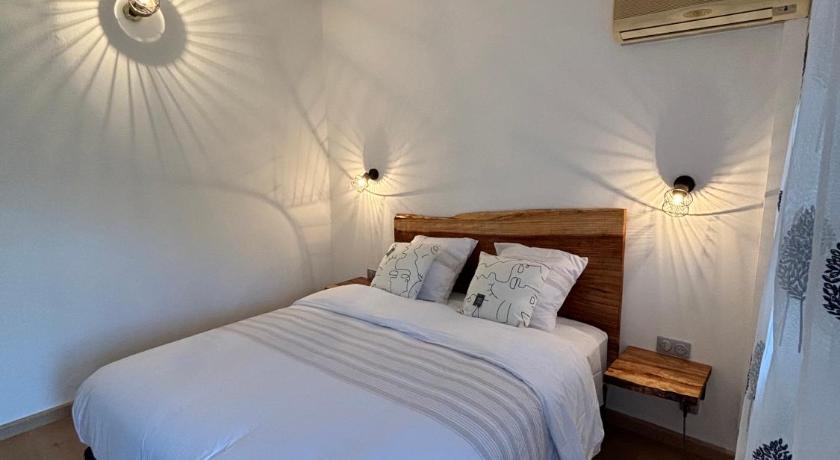
There are several charming guesthouses in the town centre and the highlands (Bras des Chevrettes, Champ Borne), rural gîtes (self-catering cottages) and a few modest hotels. For more choice, Saint-Denis (30 min) and Saint-Benoît (25 min) are the main bases in the east. Expect about €60-90 a night for a double room in the town centre.
Are there beaches in Saint-André?
No, the east coast is rocky and pounded by waves, so there's no swimming beach in Saint-André itself. For the sea, head to Saint-Pierre (1h) or Saint-Gilles (1h15). For river pools in the east, try Bras-Panon, Sainte-Anne or Sainte-Suzanne (Bassin Bœuf).
What is the Bras des Lianes trail?
A 2 to 2h30 loop in the highlands of Saint-André, through ravines, former sugar-cane plantations, waterfalls and viewpoints over the east coast. An easy-to-moderate trail, ideal for getting into nature with no technical difficulty. It starts in the highlands above the town; the waymarking is patchy, so the Randopitons app is recommended.
How do you get to Saint-André?
From Saint-Denis (Roland Garros airport): 30 min via the N2. From Saint-Benoît: 25 min via the N2. From Saint-Pierre: 1h30 via the N1 then N2 through the west. A car is essential for getting around, though Car Jaune bus line 02 (Saint-Denis to Saint-Benoît) stops in Saint-André.

 The must-see