01
Honeymoon couple
→ Belle Mare or Le Morne
The longest beaches, upmarket spa hotels with private villas, and peace and quiet. Belle Mare for the quality of the sand, Le Morne for the mountainous UNESCO backdrop.
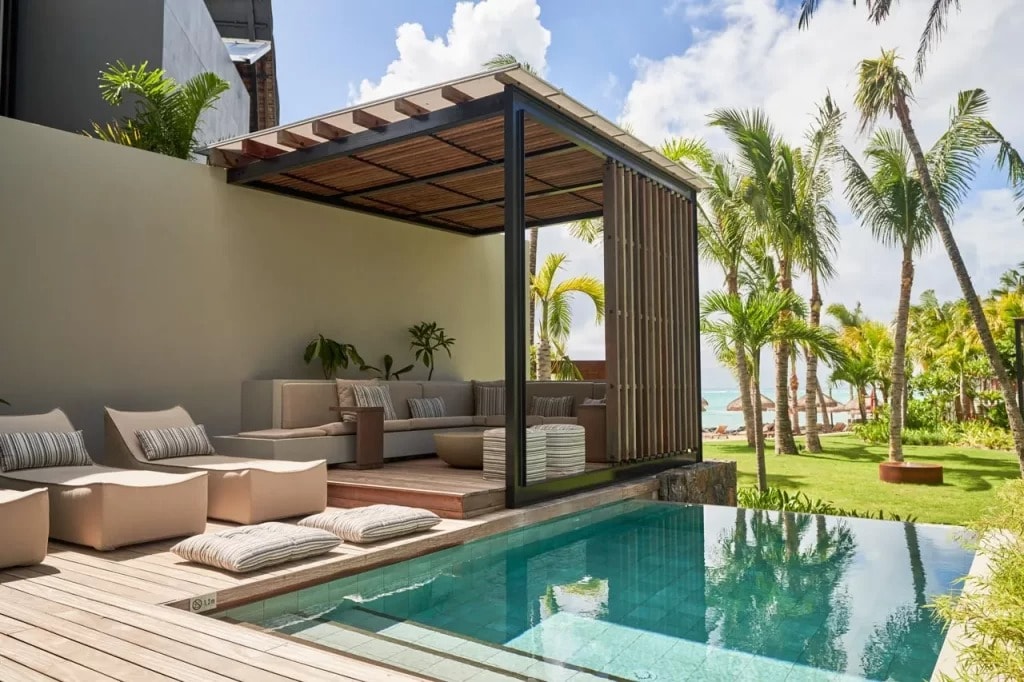
Belle Mare, Grand Baie, Le Morne, Flic en Flac: an honest comparison of Mauritius's four regions, who each one suits, and their pros and cons. The right choice depends on your travel style, your budget and how long you're staying.
One island, very different moods depending on the coast. The north parties, the east lounges, the south-west wows and the west takes it easy. Whether you're hopping over on the 45-minute flight from Reunion Island or discovering the Indian Ocean for the first time, your choice of coast will largely shape your holiday. Stay in the wrong region and you'll spend your time grumbling; pick the right one and you'll come home feeling like you truly saw Mauritius.
This page compares the four main regions by type of traveller, budget and main activity. My sources: the Routard and Petit Futé guidebooks, specialist Mauritius travel blogs (visiterilemaurice, ohmytrip, mauritius-travel) and regular feedback from travellers based on Reunion Island. Prices are in euros, as a rough guide for 2026.
A quick table to find the coast that suits you. The sections below cover each region in detail, who it suits and my practical tips.
| Region | Atmosphere | Ideal for | Budget | Weather |
|---|---|---|---|---|
| North (Grand Baie, Pereybère, Trou aux Biches) | Lively, festive, restaurants, nightlife | First trip, young couples, boat outings | Wide range: guesthouses €30 → 5-star resorts €400 | Dry, warm, little rain |
| East (Belle Mare, Trou d'Eau Douce, Palmar) | Calm, huge beaches, upmarket hotels | Honeymoons, families with teens, rest | More premium: €80 minimum, real palaces €500+ | Windier than the west, steady trade winds |
| West (Flic en Flac, Tamarin) | Family-friendly, sport, diving, sunsets | Families with children, divers, surfers | Mid-range: €50-€200 most common | Dry, sunny, calmer water in southern-hemisphere summer |
| South-West (Le Morne, Black River, Chamarel) | Spectacular, sport, nature, scenery | Kitesurfers, surfers, hikers, scenery lovers | Two extremes: guesthouses from €40 or 5-star from €350 | Variable, wetter at altitude (Chamarel) |
Six typical travellers and my pick for each. Weigh it against your budget and the length of your trip.
The longest beaches, upmarket spa hotels with private villas, and peace and quiet. Belle Mare for the quality of the sand, Le Morne for the mountainous UNESCO backdrop.
Well-equipped beach resorts, plenty of water-sports operators, kid-friendly restaurants, a lagoon with little swell, and a handy bus network so you don't need a hire car for the whole trip.
Plenty of guesthouses under €40 a night, a dense public bus network and cheap local eateries. Mahébourg adds its Monday market and a genuine Creole atmosphere.
World-renowned spots (kitesurfing at Le Morne, surfing at Tamarin), certified schools, steady trade winds. Diving on the outer slope is also excellent on the west coast.
Grand Baie for the energy and convenience (services everywhere, daily boat trips to the northern islands). Belle Mare if you want peace and quiet and an upmarket spa hotel from the moment you arrive.
One week isn't enough to cover the island. Over 10-14 days, alternating North (4 nights) + South-West (4 nights) or East (4 nights) + West (4 nights) gives the best variety.
The north is the liveliest region and the best equipped with services. Grand Baie is packed with restaurants, bars, shops, catamaran cruises and water-sports operators. Pereybère is its more relaxed version, 10 minutes away by bus. Trou aux Biches has one of the finest public beaches in the north, with a shallow lagoon ideal for families.
On the accommodation side, the north offers the island's widest range: hostels and guesthouses under €40 in Pereybère, 3-4 star hotels in Grand Baie, palaces (Royal Palm) in Cap Malheureux. One of the flagships of the north's 5-star hotels is LUX Grand Baie, with direct lagoon access, an award-winning spa and fine dining.
Strengths of the north: services everywhere, daily boat trips to the northern islands (Coin de Mire, Île Plate, Gabriel), generally the island's most stable weather, reasonably quick to reach from the airport (1 to 1.25 hours). Downsides: beaches can get crowded in high season, and the feel is more touristy than authentically Creole.
The east is Mauritius's upmarket showcase. Vast beaches (Belle Mare stretches for several kilometres), fine white sand, a translucent lagoon. This is where the upmarket spa hotels cluster: Constance Belle Mare Plage, LUX* Belle Mare, One&Only Le Saint Géran, Long Beach Resort. It's also the calmest area, favoured by honeymooning couples and families with teens.
Trou d'Eau Douce is the departure port for Île aux Cerfs, one of the island's signature excursions (10 minutes by boat, go early in season to avoid the crowds). Palmar stretches just south of Belle Mare with a more rural character.
Strengths of the east: some of the finest beaches, upmarket hotels, a peaceful atmosphere and slick all-inclusive resorts. Downsides: steady trade winds (windier than the west), further from the airport (1.25 to 1.5 hours) and few local eateries within walking distance of most hotels.
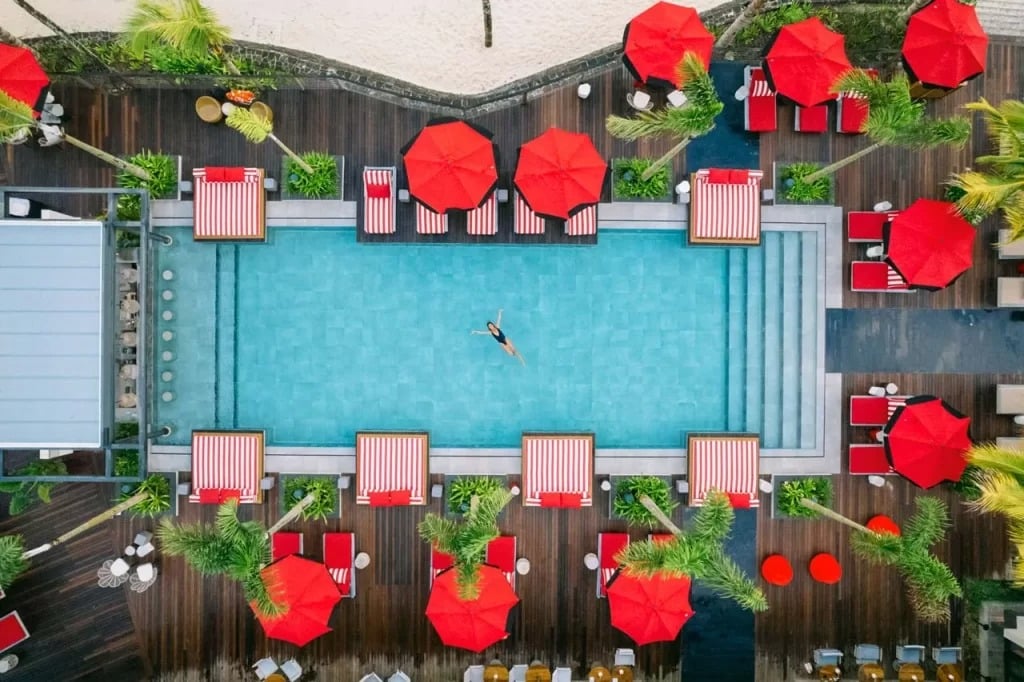
The most spectacular region in Mauritius. Le Morne Brabant, a UNESCO-listed basalt mountain, towers over a peninsula home to some of the island's finest spa hotels (LUX* Le Morne, St. Regis Mauritius, Paradis Beachcomber). Le Morne beach is regularly ranked among the finest in the Indian Ocean.
Inland, Chamarel offers the Seven Coloured Earths (a geological phenomenon of undulating multicoloured dunes), a 100-metre waterfall and the Rhumerie de Chamarel, one of the island's best-known distilleries of rhum agricole (rum made from fresh sugarcane juice). Black River Gorges is a 6,500-hectare national park with hiking trails, endemic wildlife (kestrel, pink pigeon) and viewpoints over the west coast.
Strengths of the south-west: spectacular scenery (mountain, lagoon, gorges, waterfall, coloured earth), world-class kitesurfing and surfing, upmarket hotels less crowded than the east. Downsides: fewer budget options (few guesthouses under €40) and longer drives to the other tourist areas. If you pick this base, plan to book a rental car so you can head out to Chamarel, the Black River Gorges and the rest of the island.
The west strikes the best balance between reasonable prices, a family-friendly feel and plenty to do. Flic en Flac is a long, ocean-facing beach resort with a straight beach made for sunsets. It's also one of the top scuba diving spots in Mauritius (Flic en Flac Cathedral, La Passe Saint-Jacques) and a departure point for morning dolphin cruises.
Tamarin, 15 minutes south, draws surfers (a well-known left-hand wave) and sunset lovers over the bay. Tamarin's morning market is one of the most authentic on the west coast. Beyond it, La Preneuse and the Le Morne peninsula lead on to the south-west.
Strengths of the west: value for money, a family atmosphere, diving and surfing, ocean-facing sunsets. Downsides: Flic en Flac beach gets crowded at weekends (it's popular with locals), and there are fewer luxury resorts than in the east or south-west.
Rough 2026 prices in euros, per night for two people (except hostels). Add 25 to 40% in high season (July-August, December-January).
| Category | Typical price | Where to find it |
|---|---|---|
| Hostel / dorm | €12-€18 per person | Pereybère, Grand Baie, Flic en Flac |
| Simple guesthouse (private room) | €25-€40 for two | All regions |
| Comfort guesthouse + breakfast | €40-€70 for two | All regions |
| 3-star hotel | €70-€120 for two | Mainly north and west |
| 4-star hotel | €150-€280 for two | All coasts |
| 5-star all-inclusive hotel | €300-€500 for two | Belle Mare, Le Morne, Grand Baie |
| Palace / private villa | €500-€1,200 for two | Belle Mare, Le Morne (St. Regis, LUX*, Constance) |