Is Mauritius really committed to ecotourism?+
Mauritius began a cautious shift towards sustainable tourism in 2015, led by the Tourism Authority and the Mauritian Wildlife Foundation. In 2020 it adopted a national sustainable tourism strategy for 2030, with targets for renewable energy, waste management and biodiversity. The change is only partial: most resorts still run in the conventional way. Sustainable options exist, but you have to seek them out.
What are Mauritius's national parks?+
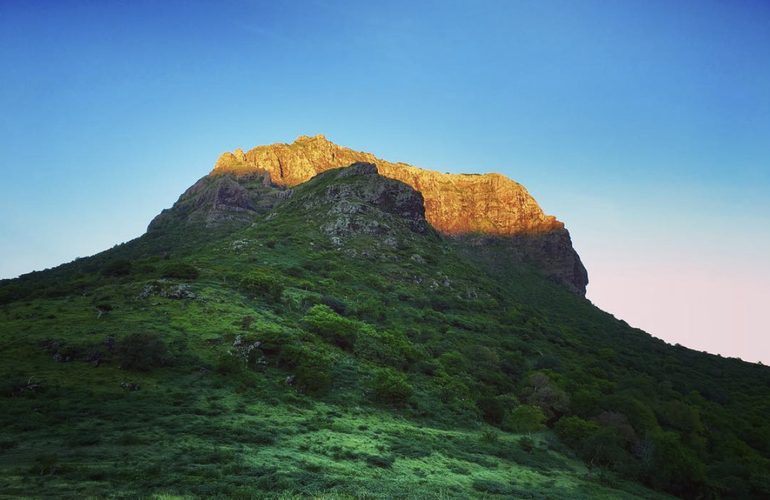
There are three official national parks: Black River Gorges (6,754 hectares, the largest, in the south-west), Bras d'Eau (497 hectares, in the north-east) and the Macchabée Conservation Area within Black River Gorges. There are also several nature reserves: Île aux Aigrettes (managed by the MWF), Île Ronde and Île Plate (managed by the Mauritius Marine Conservation Society) and the Ferney forest reserve.
How much does a visit to Île aux Aigrettes cost?+
€24 per adult and €12 per child (under 12) for the 1.5-hour guided visit, by boat from Pointe d'Esny. The price includes the crossing, a Mauritian Wildlife Foundation naturalist guide, a briefing and a walk along the islet's marked trail, and the proceeds go straight into endemic species conservation. Book in advance through the MWF.
Which sun creams can you use in the marine parks?+
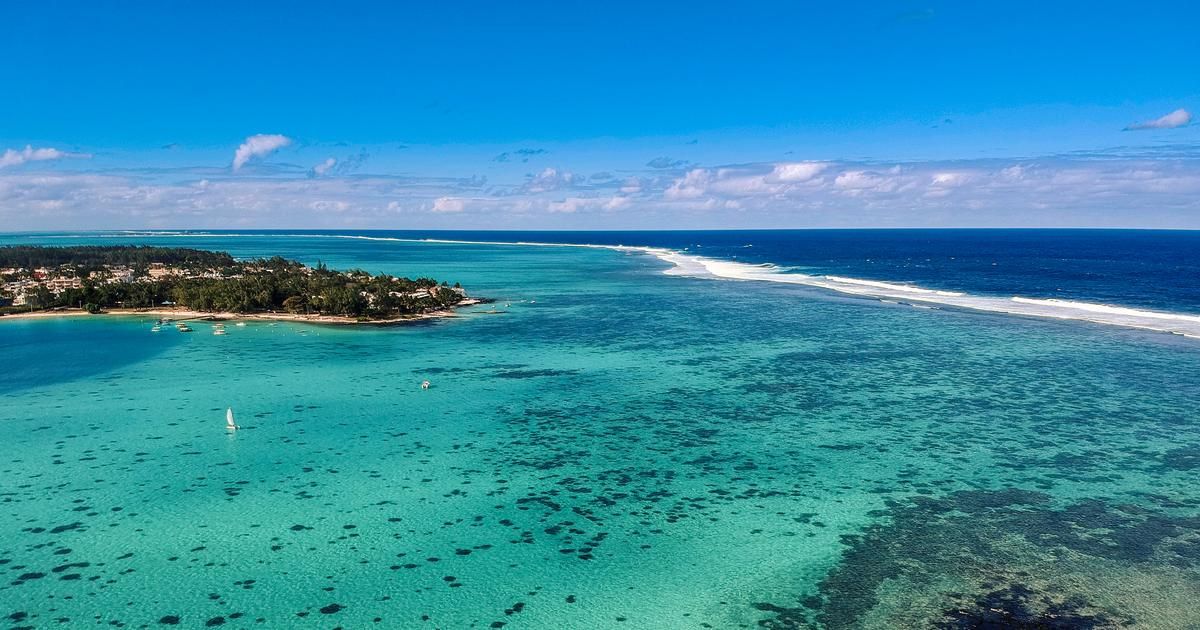
Reef-safe sun creams free of oxybenzone, octinoxate and octocrylene, the three substances responsible for coral bleaching. Common brands include EcoSun, ThinkSport, All Good, Stream2Sea and Badger. Buy them before you travel (pharmacies, organic shops) or in Mauritius (hotels, dive centres, organic food shops). The rule is enforced in Blue Bay marine park and the Balaclava reserve, and recommended in all of Mauritius's lagoons.
Can you hike Black River Gorges without a guide?+
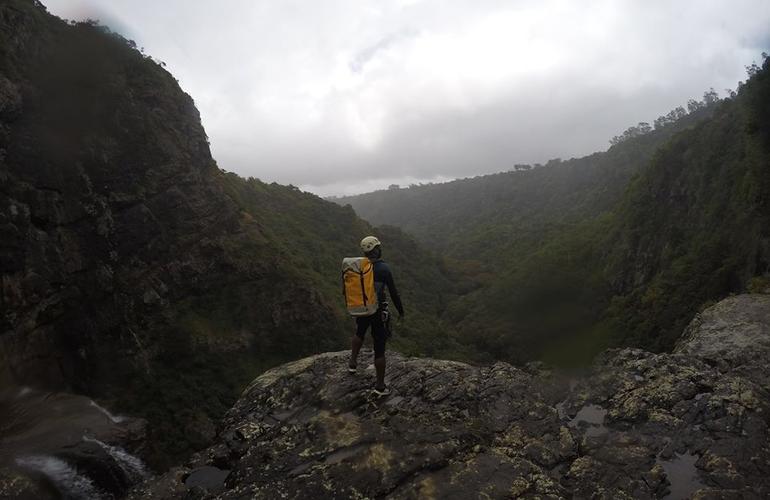
Yes, the national park's marked trails are free and open during opening hours (9am-4pm every day except public holidays). There are three main entrances: Le Pétrin (the busiest, easy to reach from the south), Plaine Champagne (south-west) and Macchabée (north). Trail maps are available at the entrance and on the national park's website. The 2-hour Macchabée trail and the 3-hour Pétrin Loop are the easiest; the 6-8 hour crossing of the park needs fitness and navigation skills.
What's the best season for green tourism in Mauritius?+
The dry season, April to November, is best for hiking and visiting the parks: good trails, little rain and settled weather. The waterfalls, though, are at their fullest from January to April, a wetter period but more spectacular. For diving and snorkelling, the water stays at 23-28°C all year, with the best visibility from September to November. Keep an eye on the weather in cyclone season, December to March.
Which endemic animals can you see in Mauritius?+
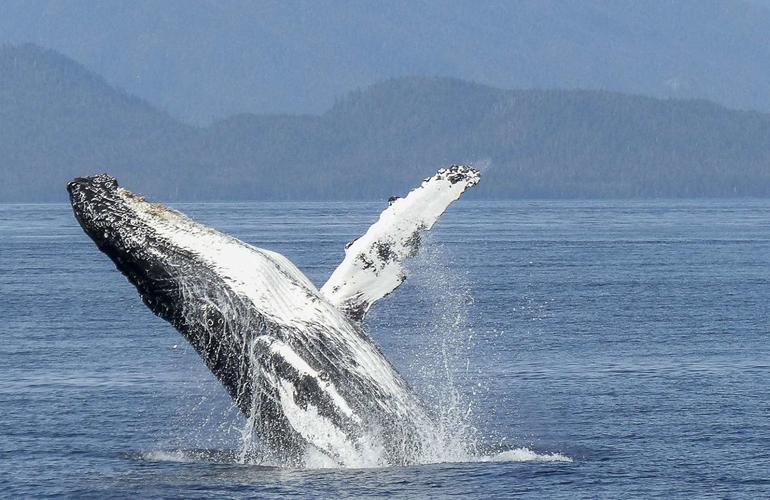
Several species saved from extinction by conservation programmes: the Mauritius kestrel (a small falcon: 4 birds in 1974, more than 400 today), the pink pigeon (10 in 1986, more than 500 today), the echo parakeet and the Mauritius fody. Reptiles: the bright green phelsuma day gecko, Telfair's skink and the reintroduced Aldabra giant tortoise. At sea: spinner dolphins off the west coast and humpback whales from July to October. Mauritius has no native land mammals, and its endemic birds have suffered badly from invasive species.
Are there truly sustainable hotels in Mauritius?+
A few places break the classic resort mould: Otentic Eco Tent Experience in Mahébourg (safari tents, solar power, local Creole food), Domaine de Bel Ombre Heritage (its own organic farm and locally sourced restaurants), Lakaz Chamarel Lodge (a hillside eco-lodge in Chamarel) and Bonté Lodge in Trou aux Biches. Labels to look for: EarthCheck Silver or Gold for hotels with measurable targets (energy, water, waste), and Made in Moris for local products in restaurants.
How can you support conservation during your stay?+
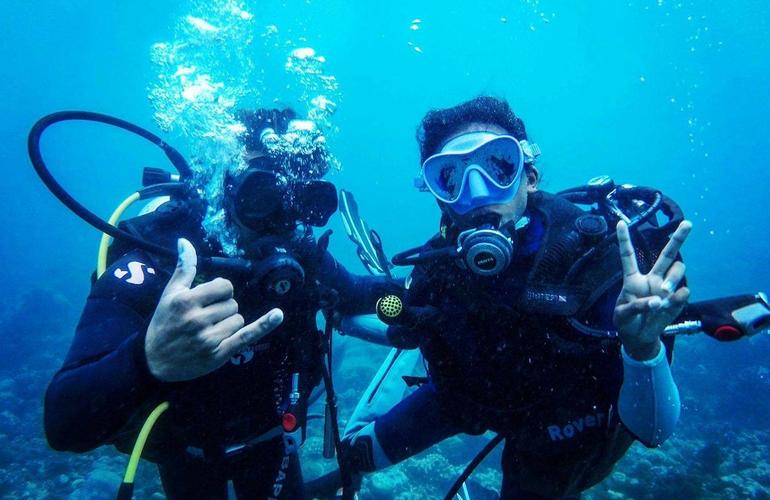
A few simple things make a real difference: visit Île aux Aigrettes (the €24 fee funds conservation), choose a Green Fins-certified dive centre, donate to the Mauritian Wildlife Foundation (receipts are available), join a coral-planting session with Reef Conservation Mauritius and eat at restaurants that source locally. Avoid captive animal attractions (crocodile parks, enclosed dolphin pools) that don't help conservation.
What's the difference between Mauritius and Reunion Island on nature?+
Reunion Island's nature is wilder and better preserved (40% of the island is a national park and UNESCO World Heritage Site, with primary forest at Bélouve, peaks of 3,070m and roadless cirques). Mauritius, more densely populated and long given over to sugarcane, has lost much of its original vegetation, but has led a determined conservation effort over the past 30 years. The two complement each other: Reunion Island for wild landscapes and serious hiking, Mauritius for coral lagoons and species reintroduction.
Can you volunteer for conservation in Mauritius?+
Yes, several organisations take volunteers: the Mauritian Wildlife Foundation (placements of at least 4 weeks on Île aux Aigrettes, Île Ronde or Ferney, with basic accommodation and costs at your own expense), Reef Conservation Mauritius (public coral-planting weekends) and EBONY Forest Reserve (reforestation programmes open to visitors). For longer placements, apply at least 3-6 months ahead.
How much does green tourism cost per day in Mauritius?+
Typical budget for a couple: €50-90 for a guided visit to a national park or reserve with a naturalist, €50-150 a night in an eco-lodge (against €200-400 in a standard resort), and €30-50 for a local Creole lunch (against €60-100 in a hotel restaurant). Travelling green isn't more expensive, and can be cheaper, especially if you skip all-inclusive resorts. Budget €100-180 per person per day for a fully eco-friendly stay, excluding international flights.