What is the most beautiful beach in Mauritius?+
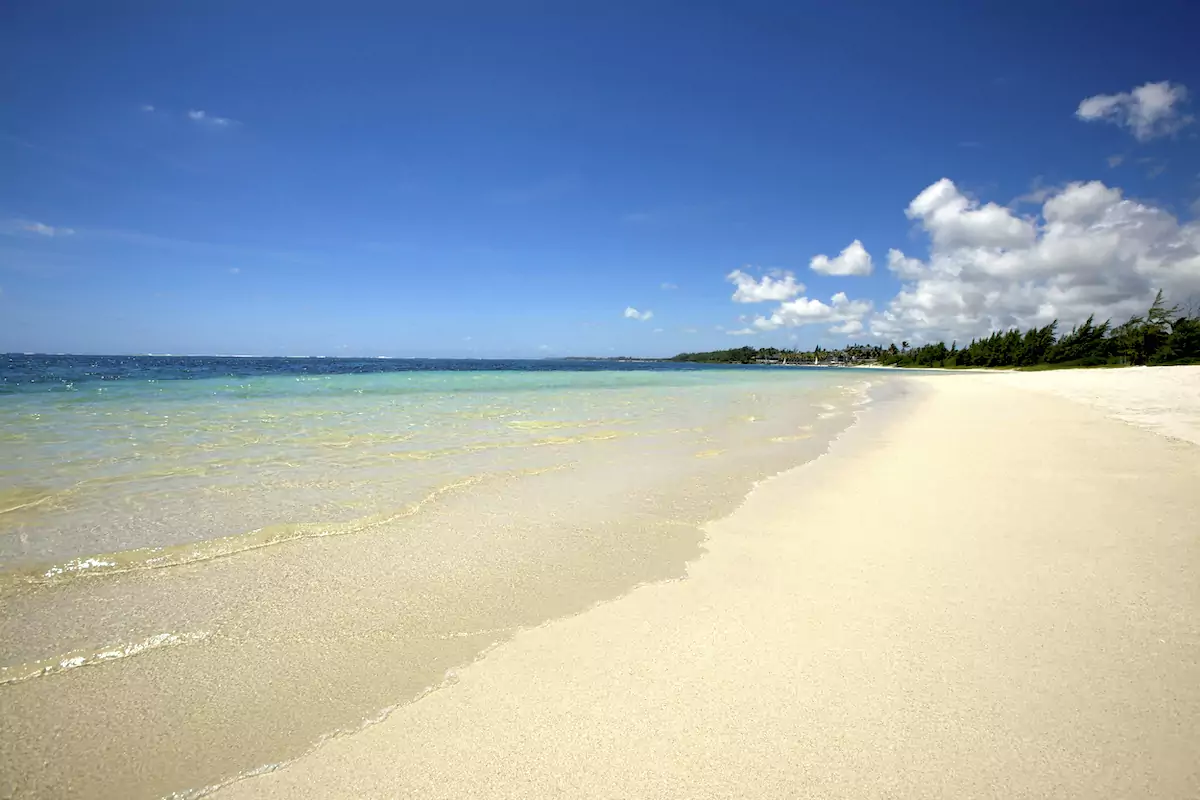
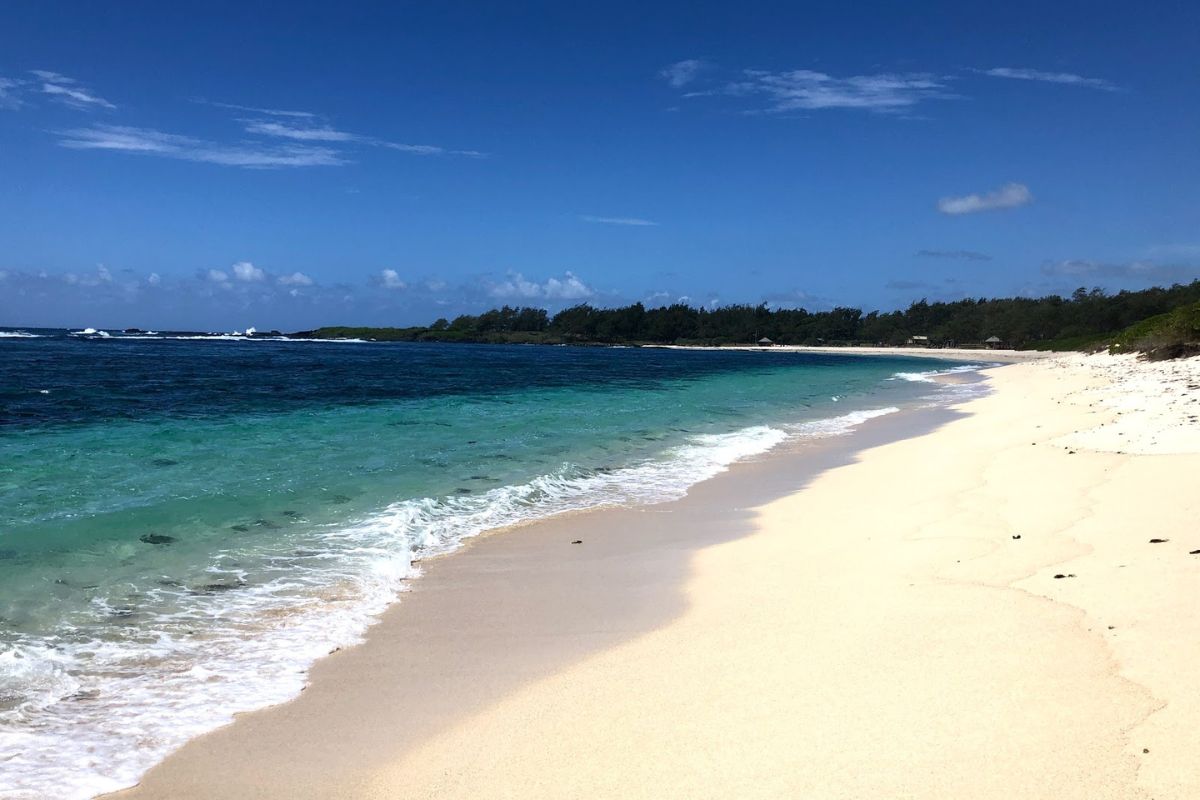
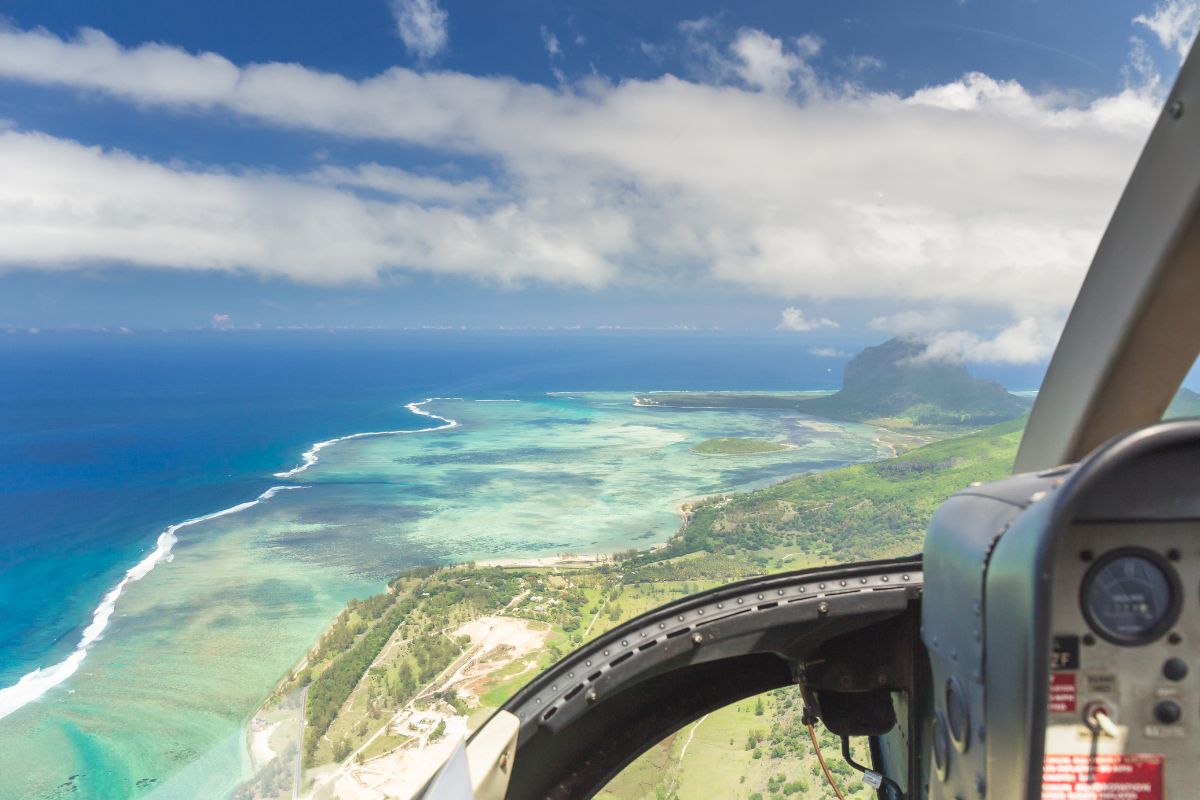
It depends on your travel style. For snorkelling and sunsets, Trou-aux-Biches in the north-west regularly ranks among the world's 10 most beautiful according to TripAdvisor. For family swimming in a shallow lagoon, Belle Mare on the east coast is unbeatable with its 10 kilometres of white sand. For a spectacular setting, Le Morne in the south-west combines a paradise beach with a UNESCO basalt mountain. For seclusion, La Cambuse and Pomponette in the south are the wildest.
Are all Mauritian beaches public?+
Yes, the whole shoreline in Mauritius is public and free for everyone, including in front of resorts. Hotels can't make the beach private; they can only reserve their loungers, parasols and water sports for guests. The rule applies as much at Belle Mare (Constance, Long Beach, Anantara) as at Le Morne (JW Marriott, Riu) or Trou-aux-Biches (Beachcomber).
What's the ideal season for Mauritian beaches?+
The dry season from May to November offers the best conditions overall: water temperatures of 23-26°C, moderate wind, clear skies, no cyclones. July-August are the coolest months (21-23°C air, 23°C sea), September-October offer the ideal heat-wind compromise for water sports. The December-March high season warms the water to 28°C but exposes you to cyclones (December-March) and frequent tropical rain (January-March).
Do you need reef-safe sunscreen in Mauritius?+
Yes, strongly recommended and compulsory in certain protected marine areas (the Blue Bay marine park, the Île aux Aigrettes reserve). Standard sunscreens often contain oxybenzone and octinoxate, which cause coral bleaching. Choose reef-safe sunscreens (EcoSun, ThinkSport, All Good): it's easiest to buy them before you travel, though they're also sold in Mauritius, and hotels and dive centres may stock them.
Which beach should you choose for snorkelling?+
Blue Bay in the south-east (a marine park listed since 1997, over 20 metres of visibility) is the best spot you can reach from the shore. Trou-aux-Biches in the north-west and the west side of Île aux Cerfs complete the top 3, with coral heads 30-50 metres from shore. For scuba diving, the Cathedral and Passe Saint-Jacques sites off Flic-en-Flac, plus the Île aux Cerfs drop-off on the south-east side, are the classics.
How do you get to Île aux Cerfs?+
By shuttle boat, which runs continuously from Trou d'Eau Douce village (a 15-minute crossing, €8 return). Private companies also offer catamaran tours from Trou d'Eau Douce or Grand Gaube (€50-80 a day, a Creole lunch included), which combine islets and secret beaches. The crossing is calm year-round, as the sheltered lagoon doesn't get any swell.
Which beach should you choose to escape the tourists?+
The 5 secret beaches of the south and south-east: La Cambuse, Pomponette, Anse Jonchée, Trou d'Eau Douce and Grand Gaube. La Cambuse and Pomponette are the most isolated, 5-10 minutes from the main roads. Anse Jonchée combines seclusion and history. Trou d'Eau Douce and Grand Gaube are preserved fishing villages. Avoid weekends in the December-January Mauritian school holidays, when local families flock to the beach.
Are there nudist beaches in Mauritius?+
No, nudism isn't permitted on Mauritian beaches. Local culture, strongly shaped by Hindu, Muslim and Creole traditions, doesn't tolerate public nudity. The rule applies even on the most isolated beaches. A bikini is fine everywhere, but going topless is generally only tolerated in front of upmarket resorts.
Can you camp on Mauritian beaches?+
Wild camping on public beaches isn't allowed as a rule, though it's sometimes tolerated at weekends at a few spots in the south and south-east (La Cambuse, Pomponette). Resort beaches don't allow camping. For an organised camping stay, the island has few official campsites (Bras d'Eau Park, a handful on the south-west coast). Most travellers combine a hotel with beach excursions.
What's the difference between the north and south lagoons in Mauritius?+
The northern lagoon (Trou-aux-Biches, Grand Baie, Pereybère) is better protected by a solid reef, with calm to very calm water, fine white sand and crystal-clear water. The south (Bel Ombre, Pomponette) is more exposed to southern swells, with choppier water, often more golden sand and a wilder feel. The east coast (Belle Mare) combines a wide protected lagoon with moderate trade winds, ideal for families. The west coast (Le Morne, Flic-en-Flac) captures the sunsets.
How much does a beach day cost in Mauritius?+
Nothing at all to use the beaches, which are all public. Expect €10-20 to hire loungers and parasols at Flic-en-Flac and Trou-aux-Biches (resorts keep theirs for guests), €15-30 for a beachfront lunch in the villages (Flic-en-Flac, Tamarin, Mahébourg) and €8-12 a day to hire a mask, snorkel and fins.
Which beach should you choose for a honeymoon?+
Trou-aux-Biches in the north-west for the most photographed sunsets, Le Morne in the south-west for the spectacular UNESCO mountain setting, Belle Mare on the east coast for 5-star resort luxury (Constance, Anantara, Long Beach). The upmarket hotels of the Domaine de Bel Ombre offer honeymoon packages on the wilder southern beaches. See the dedicated selection on the honeymoon page.