 hotel< 1 km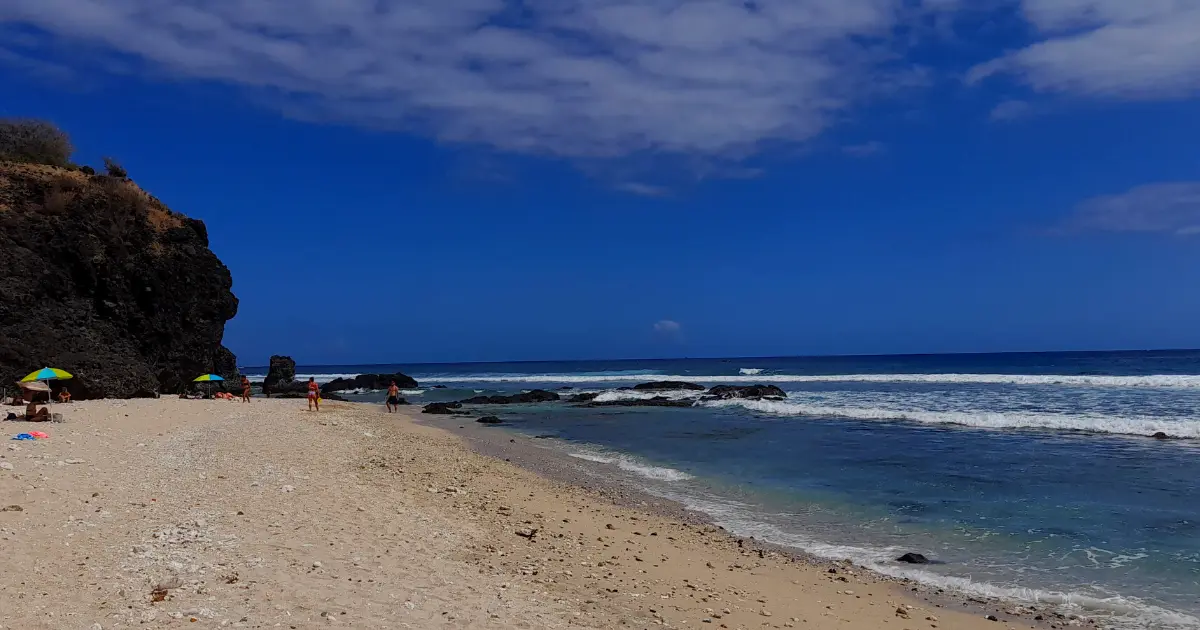
Cap Homard · Saint-Paul
Cap Homard beach camping: the quiet alternative to Boucan Canot
Just south of Boucan Canot, Cap Homard is a more low-key beach, with rocks on the left, an open ocean view on the right and parking 10 metres from the sand. Netted swimming 100m to the north.
Cap Homard, Saint-GilleslocationBeach + basalt cliffssettingCar, parking 10m awayaccessFreecost
Cap Homard is the low-key alternative to the very busy Boucan Canot beach, in the district of Saint-Paul. Just south of the big tourist beach, separated from it by a few rocks, Cap Homard has a more intimate feel: filao trees providing rare shade, rock formations that create natural pools, and a large car park just 10 metres from the water.
Here's what you need to know before pitching a tent: getting there from the dual carriageway, public facilities, swimming safety and shark risk, and gear for the beach, plus nearby activities (whales in season, paragliding, diving). If you'd rather not sleep in a tent, a campervan fits easily in the sea-view car park, under the bridge.
At a glance
Cap Homard camping at a glance
The experience
A night at Cap Homard
Choosing your spot. The most popular place to pitch is under the filao trees behind the beach, which give both shade and shelter from the wind. The grassy areas between the beach and the car park are good for family tents. It stays busy at weekends: for a quieter stay, go on a weekday or at the end of the dry season.
The sunset. Cap Homard faces west, and the sun drops straight into the ocean around 5.50pm in the southern winter and 7.05pm in midsummer. The rocks on the left stand out in silhouette, making it one of the most photogenic spots around Saint-Gilles.
The night. The waves on the reef make a constant background hum. You can see the street lighting from the beach, but under the filao trees behind the beach it is dark enough to make out the clear west-coast stars.
The morning. The sun rises behind the hills, so there is no direct view. But the low morning light on the basalt rocks and the lagoon is at its best around 7am. Swimmers start arriving from 8am, so make the most of that first quiet hour.
The setting
Filao trees, rocks and lagoon
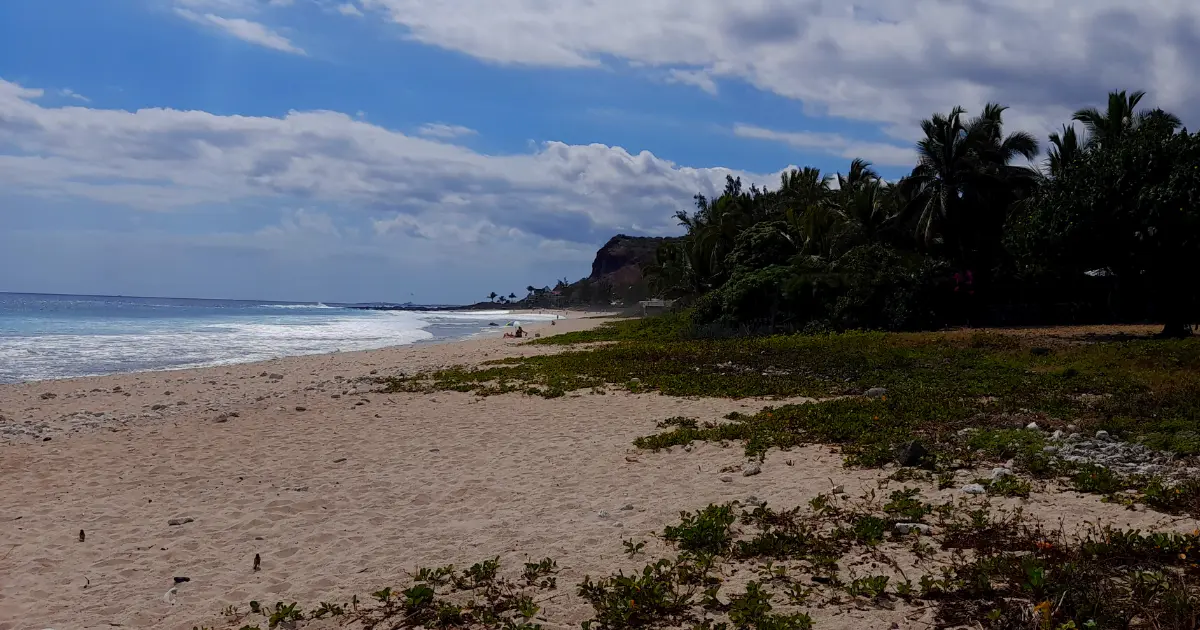
Cap Homard beach combines two things you rarely find side by side: a band of century-old filao trees lining the back of the beach and providing the shade a camping trip needs, and a rocky shoreline that forms both a natural shelter and several small pools at low tide.
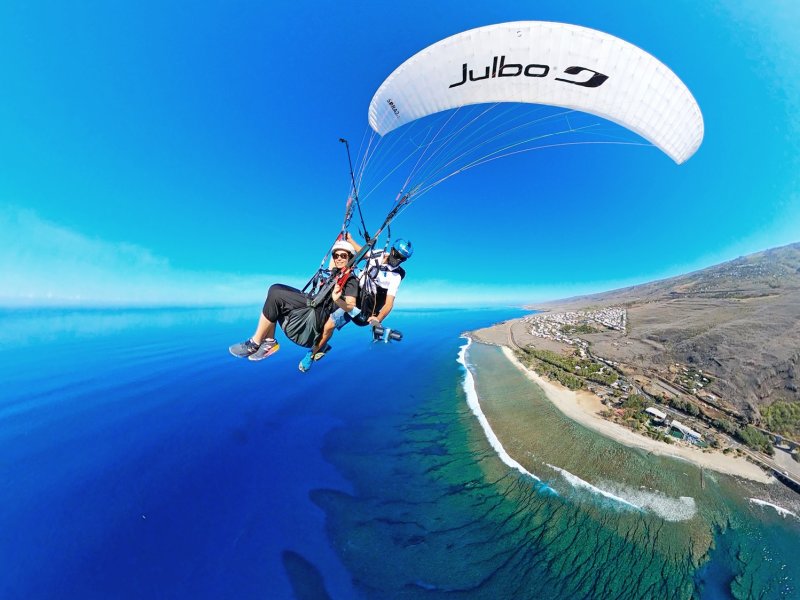
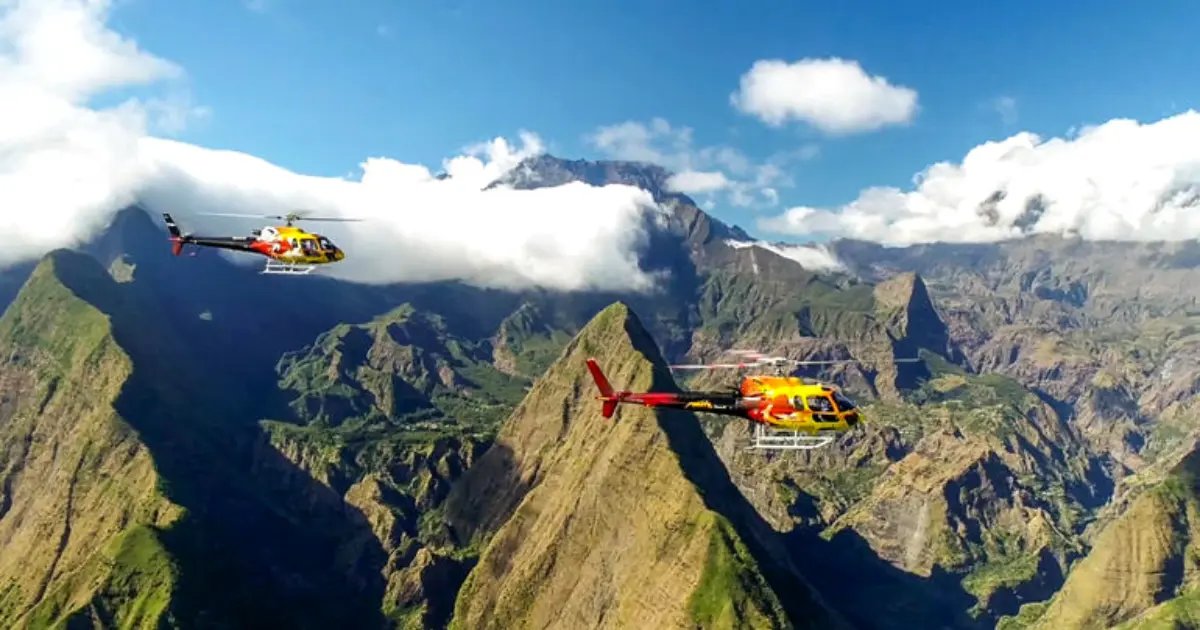
The whole area looks even better from the sky: you can make out the reef that shapes the Saint-Gilles lagoon to the south, and the Le Maïdo cliffs rising inland to 2,200m.
Route
How to get to Cap Homard
From the dual carriageway, take the Boucan Canot exit and head down towards the sea. Cap Homard is just south of the main beach, reached via a sea-view car park under a bridge, 10 metres from the sand.
Allow about 5 minutes by car from Saint-Gilles, 30 minutes from Saint-Denis. There are shops on Boucan Canot's main street, 100 metres away.
Packing list
What to bring for the night
- A wind-resistant tent: the trade wind sweeps the west coast in the late afternoon
- Long sand pegs (25-30cm) or rocks to weigh the tent down
- A light sleeping bag (15°C is enough): this leeward stretch of coast stays mild year-round
- Flip-flops or sandals: the sand gets hot around midday
- High-factor sunscreen and a hat: there is little shade on the beach itself
- A head torch: street lighting only covers the main street
- Bottled water: there is no drinking water on the beach
- Bin bags: take all your rubbish home, as the site is very visible and popular
Read before getting in the water
Swimming and shark risk
The swimming zone protected by shark nets is 100 metres to the north, on Boucan Canot beach. It's the only place in the area where swimming is protected.
At Cap Homard itself, a few rock pools are fine for a quick dip when the sea is calm, with care. Swimming outside the protected zone is strongly discouraged: the shark risk is real along the whole Reunion Island coastline.
No fires on the sand or under the filao trees: use a portable gas stove only. With homes and restaurants right next door, open fires are out of the question.
To combine
Things to do at Saint-Gilles and Boucan
Cap Homard is in the middle of the busiest stretch of the west coast for water sports.
Whale Watching from Saint-Gilles
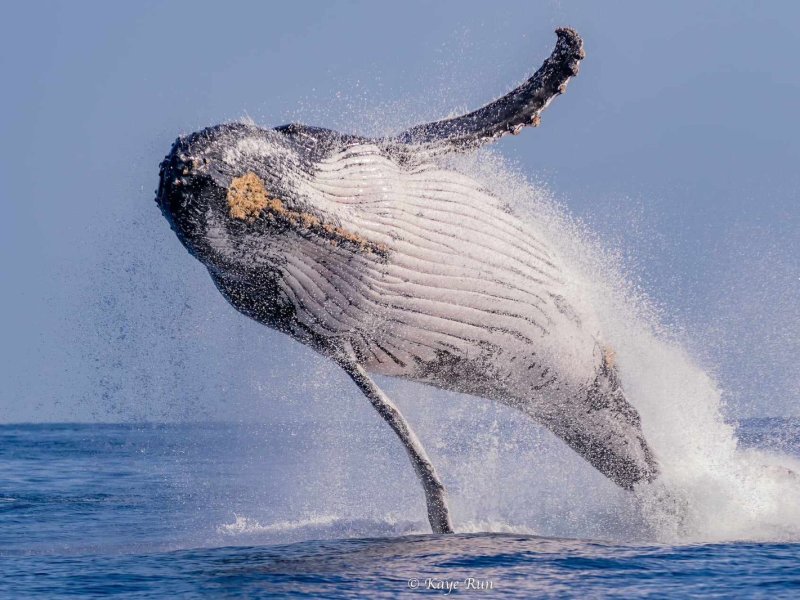
A boat trip to spot humpback whales in season (July to October), leaving a few minutes from Cap Homard.
See the activity
First Paragliding Flight at Saint-Leu
Take off from the Le Maïdo cliffs, glide above the lagoon and land on Saint-Leu beach, 20 minutes to the south.
See the activity
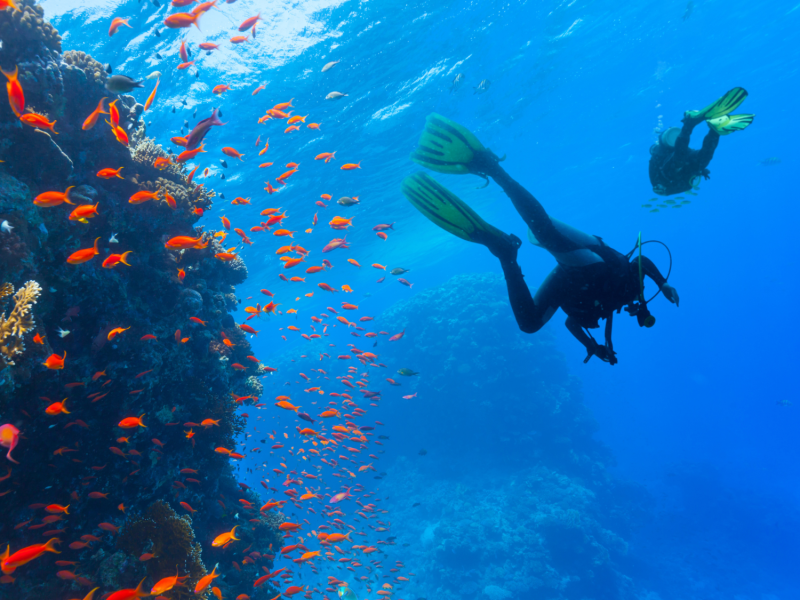
Exploration Diving at Saint-Gilles
Coral drop-offs and tropical marine life in Saint-Gilles bay, with dive clubs 10 minutes to the south.
See the activity
 Also worth doing
Aerial view
The Saint-Gilles lagoon and the Le Maïdo cliffs from the sky
Cap Homard shows you the seafront at the level of the pebbles and basalt rocks. A helicopter flips the angle: the whole west coast from above, the Saint-Gilles lagoon, the reef that shapes its pools, and the Le Maïdo cliffs rising inland to 2,200m.
It complements the camping trip rather than repeating it. There are 8 routes departing from Saint-Pierre or Saint-Paul, lasting 15 minutes to 1 hour.
From €125 · 210 Manawa reviews · Saint-Pierre / Saint-Paul
See helicopter prices
Other spots
Other wild-camping spots and beaches on the west coast
Wild Camping at Pointe au Sel Beach
A protected natural site at Saint-Leu, with a cave pool and sunsets over the ocean, 30 minutes to the south.
See the spot
Étang-Salé Seafront, Black Sand
1,500m of black sand beach lined with filao trees, with good facilities, 45 minutes to the south.
See the spot
Le Choka Spot, Trou d'Eau
Quieter beach camping between filao trees and lagoon, just south of Saint-Gilles.
See the spot
Sleep nearby
Places to stay near Cap Homard
For the night before or after your camping trip, here are places to stay within 25 km, on the west coast between Saint-Gilles and Saint-Leu.
hotel< 1 km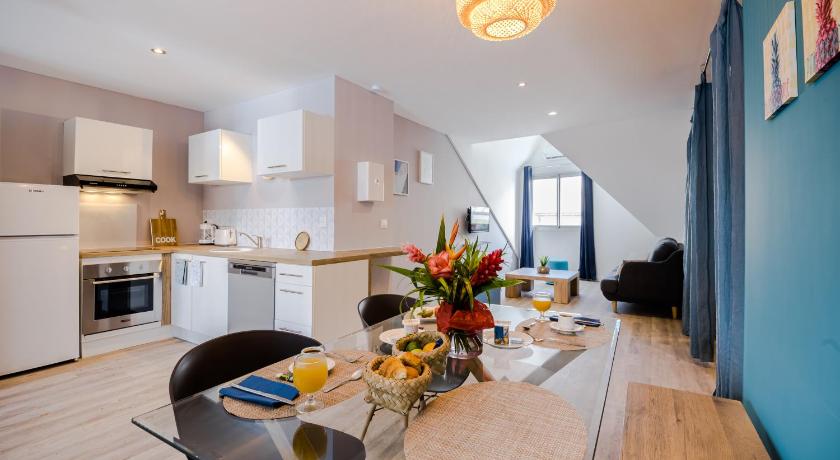 hotel1 km
 hotel1 km
Frequently asked questions
FAQ: camping at Cap Homard
How do you get to Cap Homard?
From the dual carriageway, take the "Boucan Canot" exit and head down towards the sea. Cap Homard is just south of the main beach, reached via a sea-view car park under a bridge, 10 metres from the sand. Allow 5 minutes by car from Saint-Gilles, 30 minutes from Saint-Denis.
What's the difference between Cap Homard and Boucan Canot?
Boucan Canot is the big, busy tourist beach, with a swimming zone protected by shark nets. Cap Homard, just to the south, is quieter and more low-key, with rocks on your left as you arrive and an open view of Boucan Canot on your right. It's a popular choice if you want the Saint-Gilles vibe without the crowds.
Is camping here really free?
Yes, camping at Cap Homard is free. No booking, no fee. The site is public land managed by Saint-Paul town council, which tolerates one-night camping on the sheltered grassy areas under the filao trees, as long as your tent goes up late, comes down early and you leave no rubbish behind.
Can you swim at Cap Homard?
The swimming zone protected by shark nets is 100 metres to the north, on the main Boucan Canot beach. At Cap Homard itself, a few rock pools are fine for a quick dip, with care and only when the sea is calm. Swimming outside the protected zone is strongly discouraged (shark risk).
Are there facilities on site?
Cap Homard has a large car park 10 metres away, public toilets 200 metres to the north (daytime access), and public showers on Boucan Canot beach. There are plenty of places to eat and snack bars 100 metres away on Boucan Canot's main street. No fire pits or picnic tables at the spot itself.
Can you light a fire on the beach?
No, campfires are not allowed on the sand or under the filao trees. A portable gas stove is the only option for cooking. With so many people around and homes right next door, open fires are simply out of the question.
When is the best time to camp at Cap Homard?
The southern winter (May to October) brings the most stable conditions: clear skies, moderate trade winds and humpback whales in season. Avoid local school holidays and summer weekends, when Boucan Canot and Cap Homard fill up from early morning, and go on a weekday instead.
What else is there to do nearby?
Saint-Gilles is 5 minutes away: whale watching in season (July to October), exploration diving with a club, paragliding at Saint-Leu 20 minutes away, or a helicopter flight for the best view of the lagoon and the Le Maïdo cliffs.