 hotel1 km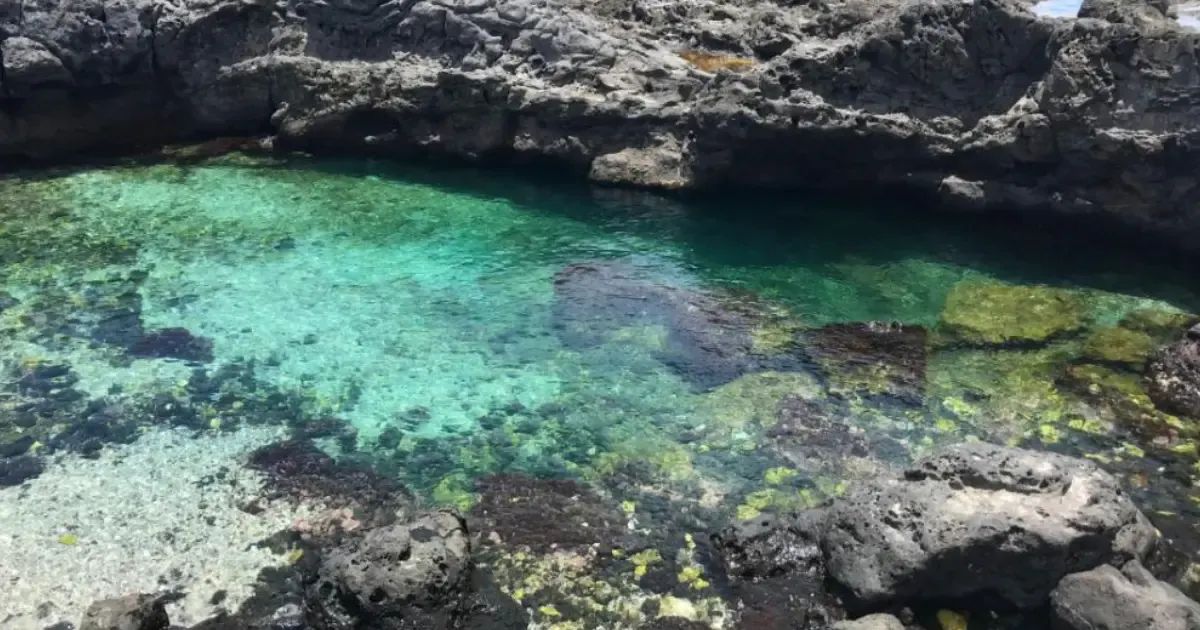
Pointe au Sel · Saint-Leu
Camping at Pointe au Sel, Saint-Leu: a cave pool and sunset over the ocean
A protected natural site managed by the Conservatoire du littoral (France's coastal protection agency), a former salt-extraction site turned free camping spot. A crystal-clear pool for swimming, waves exploding over the basalt flows, and the island's westernmost sunset.
Pointe au Sel, Saint-Leulocation1 nightdurationCar, free parkingaccessFreecost
Pointe au Selis one of the most visited natural sites on Reunion Island's west coast. A former salt-extraction site, listed as a protected area by the Conservatoire du littoral, it combines two rare assets for camping: a cave poolwhere the seawater takes on an almost tropical turquoise colour, and a due-west exposure that gives one of the island's finest sunsets, dropping straight into the ocean.
This page covers everything you need to know before pitching the tent: access from the Route des Plages, swimming in the cave pool, safety around the swell, gear suited to the windy coast and nearby activities to combine (paragliding, diving, whales in season). For anyone who'd rather sleep without pitching a tent, a fitted van parked at the coastal car park is the most comfortable alternative, 100 metres from the shore.
At a glance
The Pointe au Sel camping essentials
The experience
A night by the sea, facing the ocean
Arrive late afternoon. Carrying gear from the car park to your spot takes 5 to 10 minutes, depending on whether you pick the small cove on the left as you arrive (the most sheltered and popular) or a more secluded spot on the flat overlooking areas. The trade wind usually picks up between 2pm and 5pm, so pitch the tent in the mid-afternoon to enjoy a lull by sunset.
Sunset.It's the main attraction. Pointe au Sel sits on the island's westernmost stretch of coast, giving it the latest and clearest sunset: no inland relief blocking the light, just the flat horizon of the Indian Ocean. In austral winter, the sun sets around 5.50pm; in high summer, around 7.05pm.
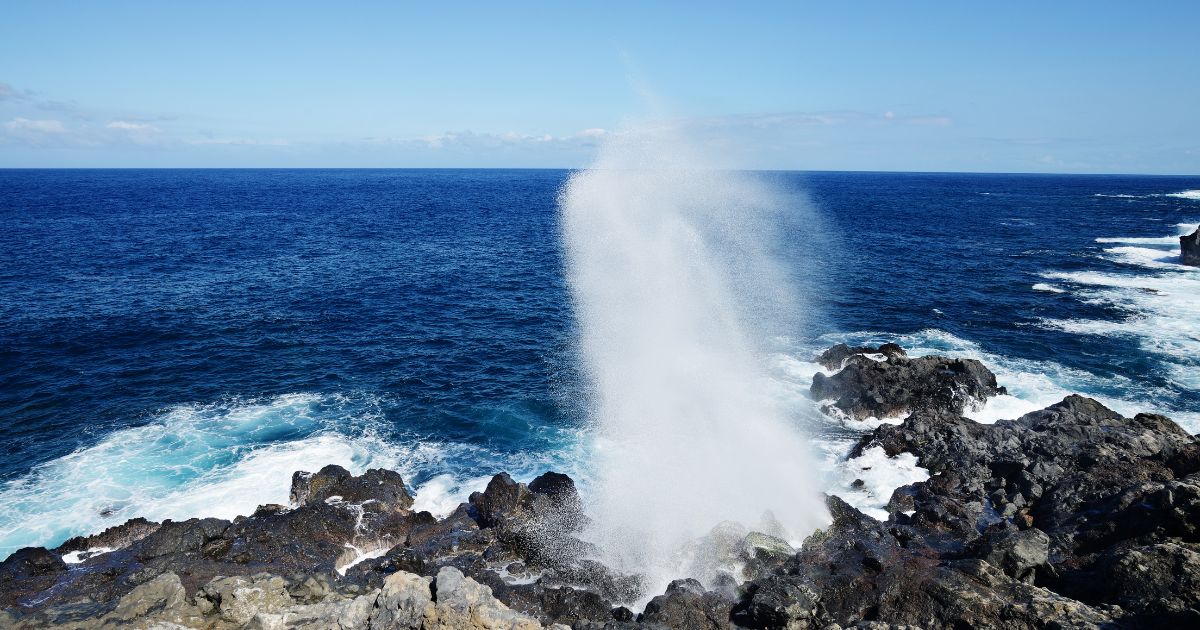
The swell show.When the sea is rough, waves surge into the basalt fissures and burst into geysers several metres above the rocks. It's impressive, and photogenic, but it makes getting close to the shore dangerous: keep back, and note that the salt carried in the sea spray corrodes gear fast.
Night. Sheltered from the wind and far from any relief, the air stays mild year-round. The constant background noise is the waves on the lava flows. On a clear night, the western horizon is completely black, with no light pollution out at sea: an exceptional starry sky.
The following morning.The sun rises behind the hills, so there's no direct sunrise over the ocean here. The low morning light on the cave pool, however, brings out its best turquoise colours around 8am, which is the moment for a swim (if the swell allows it).
The setting
Where the ocean meets the lava flows
Pointe au Sel is the result of an old lava flow that carved out plateaus and fissures into which the ocean surges. As the swell builds, waves push up through the basalt channels and burst into columns of spray, sometimes several metres high.
The cave pool that runs along the coast is the only place where the water stays stable and swimmable in calm conditions. This landscape is even better seen from the sky : from up there, you can make out the reef that traces Saint-Leu's coastline and the Maïdo rampart that closes off the hinterland at 2,200 m altitude.
Route
How to reach Pointe au Sel
Take the Route des Plages (N1A) between Étang-Salé and Saint-Leu, a little south of Saint-Leu town centre. Pointe au Sel is signposted by a Conservatoire du littoral sign. The free car park is on the right (coming from the south), about 300 metres back from the coast.
No road goes down to the beach.Gear gets carried on foot for 300 to 500 metres depending on where you set up. Plan on two trips if you're camping as a family with a lot of gear. Petrol stations and shops are in Saint-Leu town centre, 5 minutes by car.
What time
Sunset time on the west coast, month by month
Approximate times for the island's west-facing coast (UTC+4). Settle in 30 minutes beforehand to enjoy the full gradient, from golden light to nightfall.
| Period | Approximate sunset time |
|---|---|
| December to January | 7.05pm |
| February to March | 6.45pm |
| April to May | 6.05pm |
| June to July | 5.50pm |
| August to September | 6.05pm |
| October to November | 6.35pm |
December to January7.05pm
February to March6.45pm
April to May6.05pm
June to July5.50pm
August to September6.05pm
October to November6.35pm
Backpack
What to bring for the night
- A wind-resistant tent: the west coast gets the trade winds late in the day, standard pegs don't always hold
- Long sand pegs (25-30cm) or rocks to weigh things down: the ground is loose in places
- A light sleeping bag (15°C is enough): the leeward coast stays mild at night, even during austral winter
- Bottled water: no drinking water point on site
- A portable gas stove: no campfires tolerated on the beach
- Bin bags: all rubbish leaves with you, and the coastal protection agency keeps an eye on the site
- High-protection sunscreen plus a hat: no natural shade, the sun hits hard from 9am
- Closed shoes for walking on the basalt formations (sharp edges)
Read before going in the water
Swell, swimming and shark risk
- Regularly strong swell: the site faces due west, and swimming in the cave pool becomes dangerous as soon as the sea picks up
- Check the municipal swimming bulletins and the Météo-France swell forecast before going in the water
- Keep your distance from the rock formations when the waves put on a show: sudden surges can reach several metres back from the edge
- No first-aid post on site, be fully self-sufficient for first aid
- Shark risk along the whole Reunion Island coastline: swim only in the sheltered cave pool, never in open water
Combine it with
Activities to do in Saint-Leu
Make the most of being right in the heart of the west coast with an aerial or underwater outing, just 5 or 10 minutes from the camping spot.
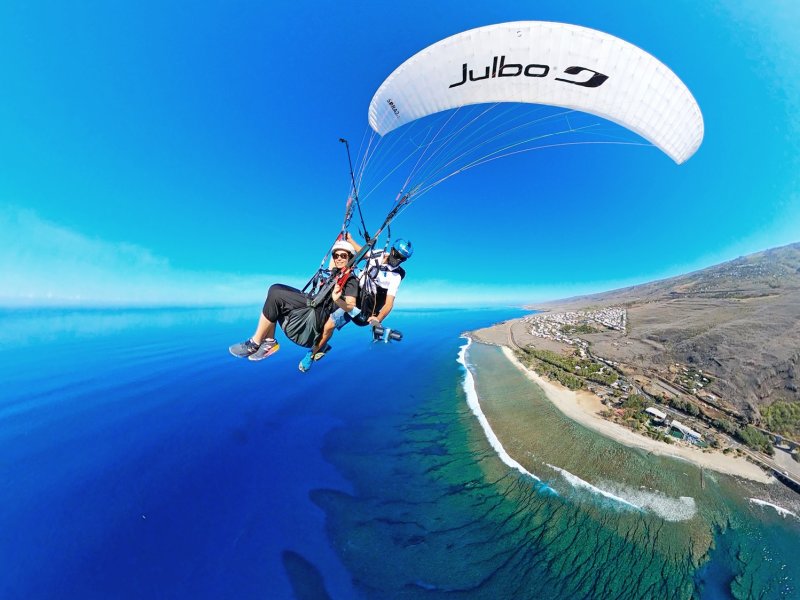
Introductory paragliding flight in Saint-Leu
Take-off from the Maïdo rampart, a glide above the lagoon and the coastline, landing in Saint-Leu.
Discover
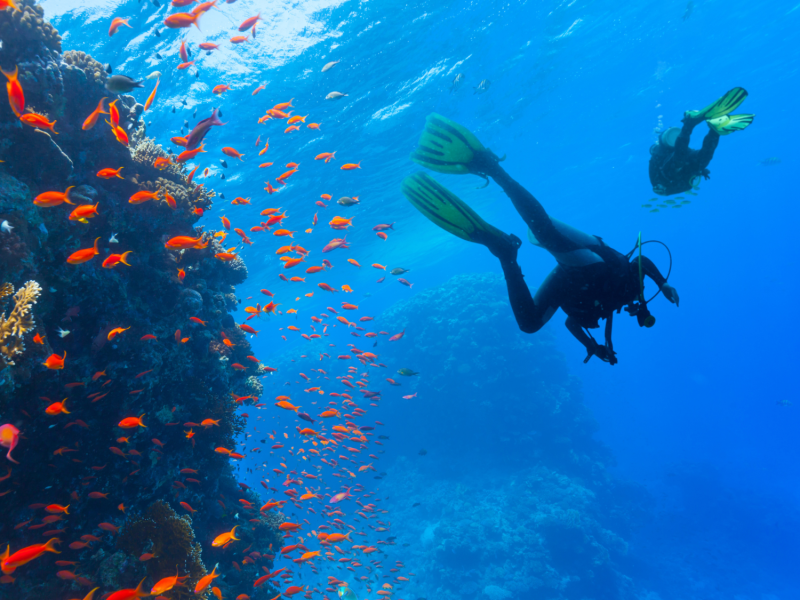
Exploration dive in Saint-Leu bay
Coral drop-offs and tropical wildlife right in the marine reserve, minutes from the camping spot.
Discover

Snorkelling trip on the west coast
Fins, mask and snorkel in the lagoon's protected pools, spotting turtles and tropical fish.
Discover
 Also worth combining
Aerial view
The west coast and the Maïdo rampart from the sky
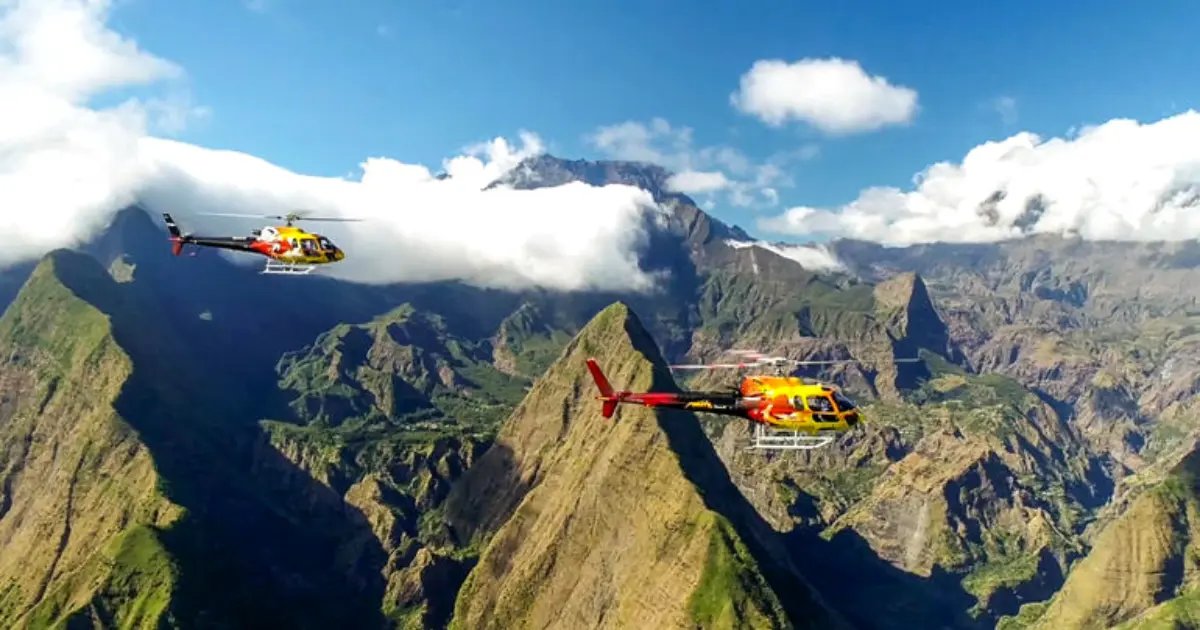
Camping gives you the coast at water level: waves, pools, sunset over the ocean. The helicopter flips the angle and opens up the perspective: the lagoon from above, the Maïdo cliff plunging down to Saint-Leu, and the reef that traces the coastline for kilometres.
It's the flight that rounds out the camping trip without duplicating it. 8 routes departing from Saint-Pierre or Saint-Paul, from 15 minutes to 1 hour, with views no ground-level viewpoint can match.
From €125 · 210 Manawa reviews · Saint-Pierre / Saint-Paul
See helicopter rates
Other spots
Other west coast and beach camping spots
Vaudeville forest area, Trois-Bassins
A fitted camping spot in the hills above Trois-Bassins, picnic shelters and built fire spots.
See the spot
Themed evening camping in the hills of Saint-Paul
A family-friendly spot with entertainment, music and food, 30 minutes north of Saint-Leu.
See the spot
Ti Sable Beach, Saint-Joseph
Camping on a beach in the wild south, black sand and direct access to the sea.
See the spot
Stay nearby
Accommodation near Pointe au Sel
For the night before or after the camping trip, here's accommodation within 25 km, on the west coast, between Étang-Salé and Saint-Gilles.
hotel1 km hotel2 km
 hotel2 km
Frequently asked questions
FAQ: camping at Pointe au Sel
How do you get to Pointe au Sel?
Take the Route des Plages (N1A) between Étang-Salé and Saint-Leu, a little south of Saint-Leu town centre. Free parking welcomes vehicles at the site's entrance, a few minutes' walk from the shore. No road goes down to the beach, so gear gets carried on foot for 300 to 500 metres depending on where you set up.
Is camping here really free and unrestricted?
Yes, camping at Pointe au Sel is free and unrestricted. The site is managed by the Conservatoire du littoral, which tolerates a single night's camping without heavy setups, provided the tent goes up late and comes down early, and no rubbish or fire is left behind. No booking, no fee, but an absolute obligation to leave it clean.
What is the cave pool, and can you swim in it?
The cave pool is a natural basin carved into the basalt lava flows, where seawater surges in and mixes with clearer springs to create that heavily photographed turquoise colour. Swimming is possible there in calm seas, but quickly becomes dangerous as soon as swell picks up: surges can fill and empty the basin within seconds. Check the Météo-France swell forecast beforehand.
Is there a shark risk at Pointe au Sel?
Yes, as everywhere along the Reunion Island coastline. The cave pool, shielded from deep water by the rocks, is the only area where swimming remains possible. Going into the water outside the pool, even briefly, is strongly discouraged. No swimming in open water, no snorkelling beyond the basin.
Can you light a fire on the beach?
No, no campfires are tolerated on the Pointe au Sel beach. A portable gas stove is the only option for cooking. No trace of burning should remain: no ashes, no blackened stones, no cigarette butts.
When should you camp at Pointe au Sel?
Austral winter (May to October) offers the most stable conditions: moderate trade winds, clear skies, often calm seas. Summer (November to April) is warmer but also more exposed to cyclone-driven swell and tropical storms. Avoid weekends and public holidays, when the site gets packed, and favour weekdays to enjoy it properly.
What activities can you combine with the camping trip?
Saint-Leu concentrates the best activities on the west coast: an introductory paragliding flight from the Maïdo rampart, an exploration dive in the marine reserve, turtle snorkelling, whale watching in season (July to October), or a helicopter flyover for the widest perspective on the lagoon and the rampart.
Are there toilets on site?
No, no toilets or drinking water point on site. Plan to be fully self-sufficient: water for drinking and rinsing off, toilet paper to take away in a dedicated bag, biodegradable wipes. The nearest toilets are in Saint-Leu town centre, 5 minutes by car.
Page last updated 18 September 2026. GPS coordinates and the Conservatoire du littoral protected-site status verified as of this date.