 hotel3 km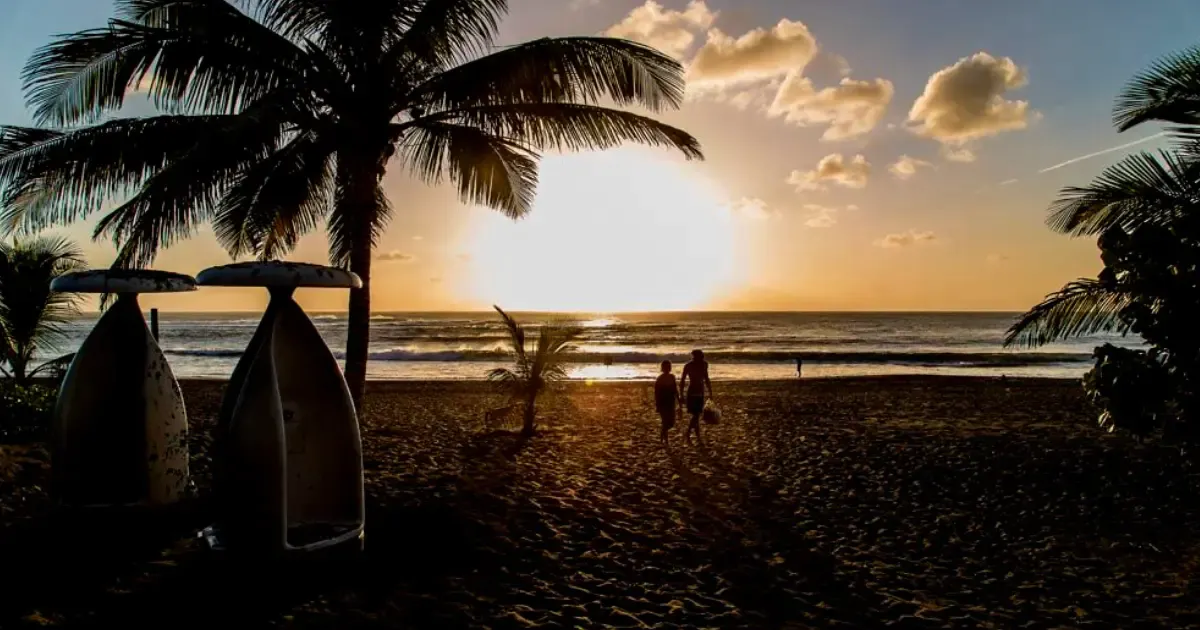
Étang-Salé-les-Bains · west coast
Étang-Salé black sand beach: free wild camping on 1,500m of seafront
The best-equipped seafront on the island: free public showers, toilets, free parking, lifeguarded swimming behind shark nets, places to eat and a Sunday market. Ideal for a first family beach camping trip.
Étang-Salé-les-Bainslocation1,500m of black sandbeachCar, parking on the seafrontaccessFreecost
The Étang-Salé seafront stretches for 1,500 metres of black sand beach lined with filao trees (casuarinas), in a seaside town with some of the best public beach facilities on the island. Showers, toilets, parking, lifeguarded swimming, places to eat: everything is within reach of your tent, making it one of the most accessible wild-camping spots, especially for a first night out with family.
This page covers what you need to know before pitching a tent: getting there from the N1, public facilities, swimming safety and gear for black sand plus nearby activities (quad biking, bungee jumping, surfing). For anyone who'd rather sleep without pitching a tent, a campervan fits easily in the large seafront car park, just metres from the public showers.
At a glance
Seafront camping at a glance
The experience
A night on the island's best-equipped beach
Choosing your spot. The beach runs for almost 1.5 kilometres. The central section, near the car park and playgrounds, is the liveliest and busiest at weekends. For a quieter night, head right as you arrive (facing the sea): the crowds thin out after a few hundred metres, and there is still shade under the filao trees.
The sunset. Facing due west, with nothing breaking the horizon, the beach offers one of the finest sunsets on the island, dropping straight into the ocean. In the southern winter, the sun sets around 5.50pm; in the height of summer, around 7.05pm. Surfers, joggers and families gather on the beach to watch.
The black sand.It's the beach's signature feature. The basaltic sand holds the day's heat and gets scorching in the sun: keep your flip-flops on, and wait for the morning or late afternoon if you want to walk barefoot on sand cooled by the night or the tide. Lay a groundsheet under the tent for extra comfort.
The night. The promenade stays lit until late evening, then the beach goes dark. The constant soundtrack is the waves breaking on the coral reef offshore. Away from the centre, light pollution fades and a clear, star-filled sky opens up.
The morning.The sun rises behind the hills, so there's no direct sunrise over the ocean here. But the empty beach at 6am has a magical atmosphere: glistening wet sand, the first surfers' silhouettes, and the market slowly setting up on the seafront on Sunday mornings.
The setting
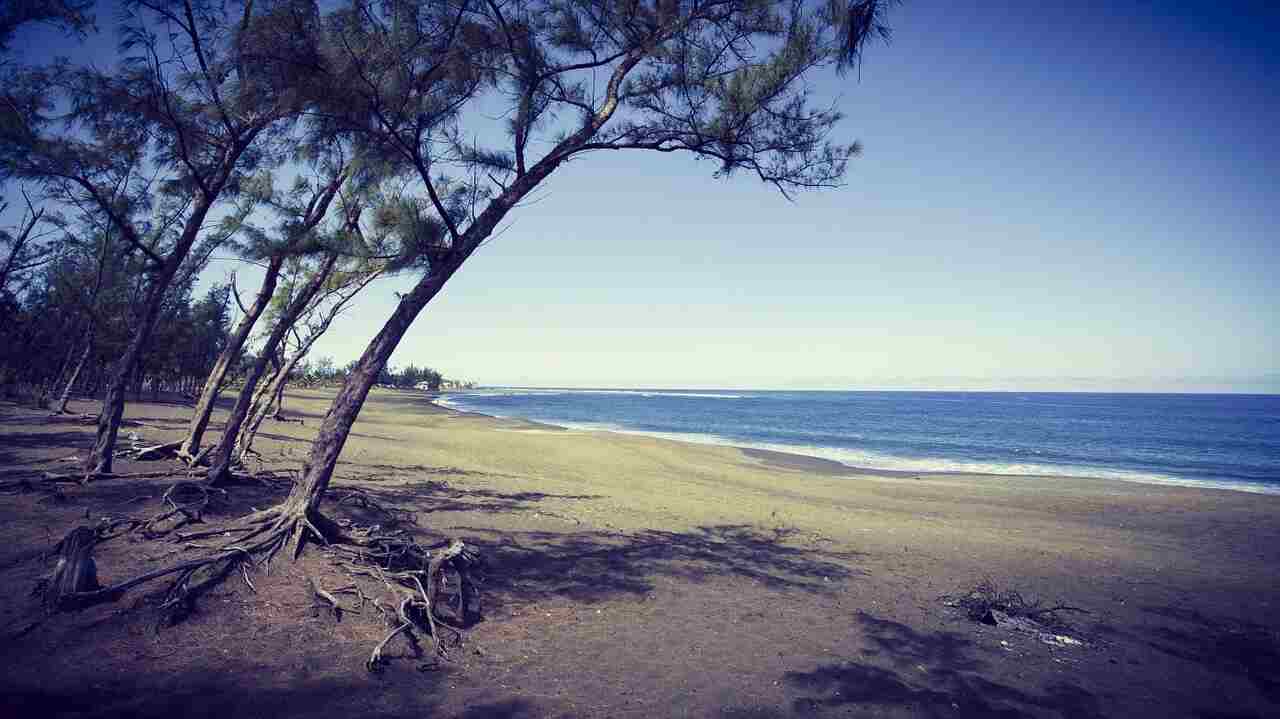
Basaltic sand and century-old filao trees
The beach owes its black sand to ancient basalt lava flows from the island's south-west, worn down by the ocean over millennia. The dark colour absorbs heat, which makes the sand especially hot in the afternoon and gives the site its distinctive character.
The filao trees lining the beach form a near-continuous band of shade along its whole length, ideal for pitching a tent out of the sun and keeping an eye on the kids from the back of the beach. The coastline reveals itself even better from the sky: you can make out the shark barriers marking the swimming zone and the beach's long curve down to the southern point.
On site
Public facilities on the seafront
- Free public showers
- Toilets accessible during the day
- Water points (untreated water, treat before drinking)
- Large free car park, not guarded
- Step-free areas for people with reduced mobility
- Food options: snack bars, food trucks and seafront terraces
- Sunday morning market on the seafront
- Playgrounds and beach volleyball courts
Route
How to get to the seafront
From the N1 coming from the north, take the first exit signed “Étang-Salé-les-Bains”. Head towards the village centre, then at the second roundabout, turn left towards the seafront. Park before the road ends in a cul-de-sac: a large free car park runs alongside the beach.
Allow about 25 minutes from Saint-Pierre, 35 minutes from Saint-Leu, 1 hour from Saint-Denis. Fuel and shops are 10 minutes away in the town of Étang-Salé-les-Hauts, as well as in the retail area north of the village.
Packing list
What to bring for the night
- A wind-resistant tent: the trade wind sweeps the seafront in the late afternoon, so bring long sand pegs
- A light sleeping bag (15°C is enough): this leeward stretch of coast stays mild year-round
- A groundsheet or mat: the black sand holds the day's heat
- Flip-flops or sandals at all times: the black sand gets scorching in the sun, so walking barefoot is out of the question
- High-factor sunscreen and a hat: the filao trees give only light shade and the sun is strong
- Insect repellent and mosquito coils: there's a wetland just behind the beach
- A head torch: street lighting only covers the promenade itself
- Bin bags: take all your rubbish home, biodegradable waste included
Read before getting in the water
Swimming and shark risk
Étang-Salé is one of the few beaches on the island with a lifeguarded swimming zone protected by shark nets and barriers. Check on site or with the town hall for opening hours and the authorised zones.
Swimming outside the protected zone is strongly discouraged. The shark risk remains real along the whole Reunion Island coastline. Don't swim at the edge of the nets or further along the beach in rough seas, even for a quick dip.
Sun and heat precautions: the black sand stores heat and the sun is strong even under hazy cloud. Wear high-factor sunscreen and a hat, drink regularly, and keep beach activities for the cooler hours.
Nearby
Things to do at Étang-Salé
You're in the heart of the sporty west coast, so make the most of it with an adrenaline rush or something gentler, 5 to 15 minutes from the seafront.
Quad Biking on the West Coast
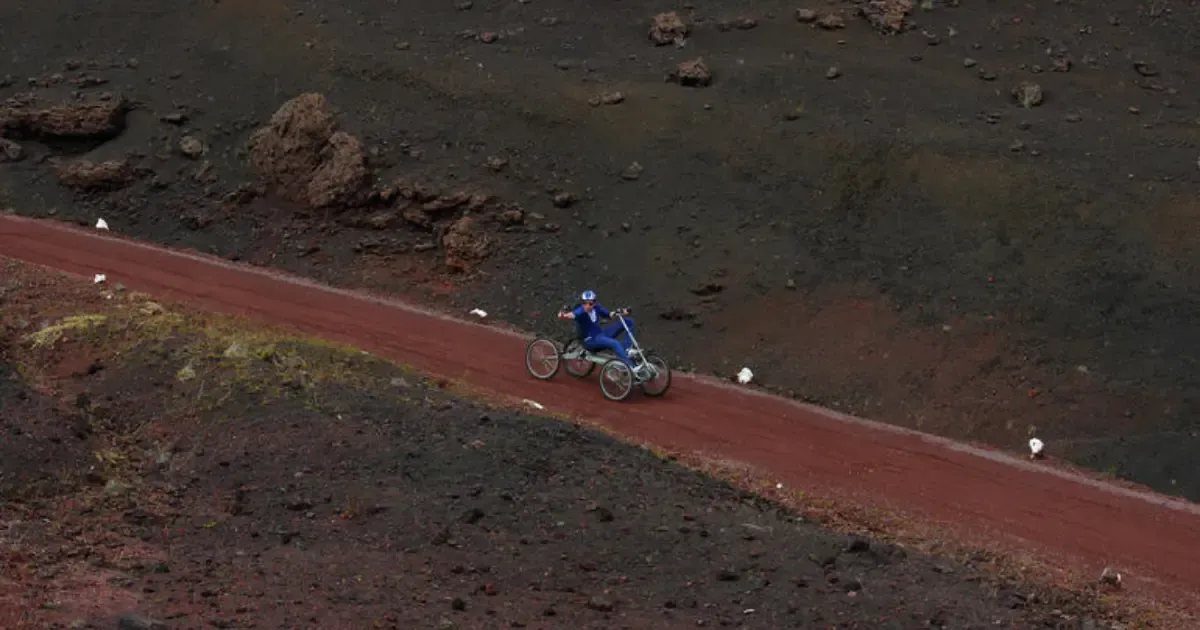
An electric quad bike trip through the trails around Étang-Salé and the hills above Saint-Pierre, beginner-friendly.
See the activity

Bungee Jumping in Reunion Island
Air Jump: bungee jumping at Étang-Salé, one of the most accessible spots on the island.
See the activity
Surf Lessons in Reunion Island
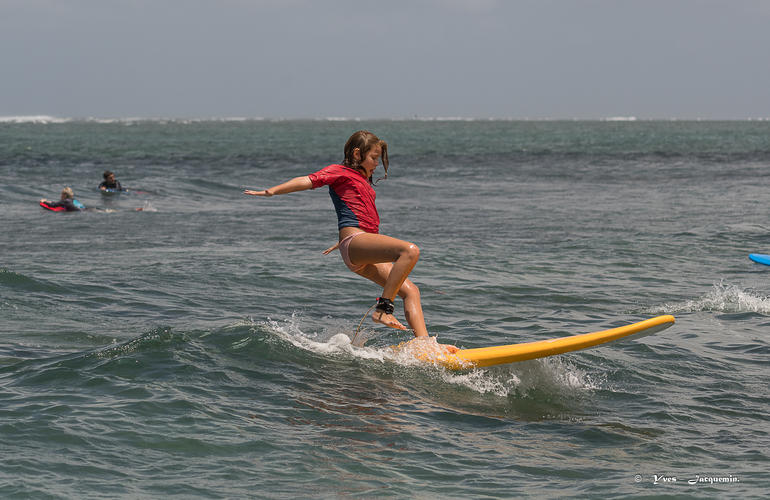
Learn to surf on the gentle waves of the west coast, with accredited schools and all equipment provided.
See the activity
 Also worth combining
Aerial view
The west coast and Piton de la Fournaise seen from the sky
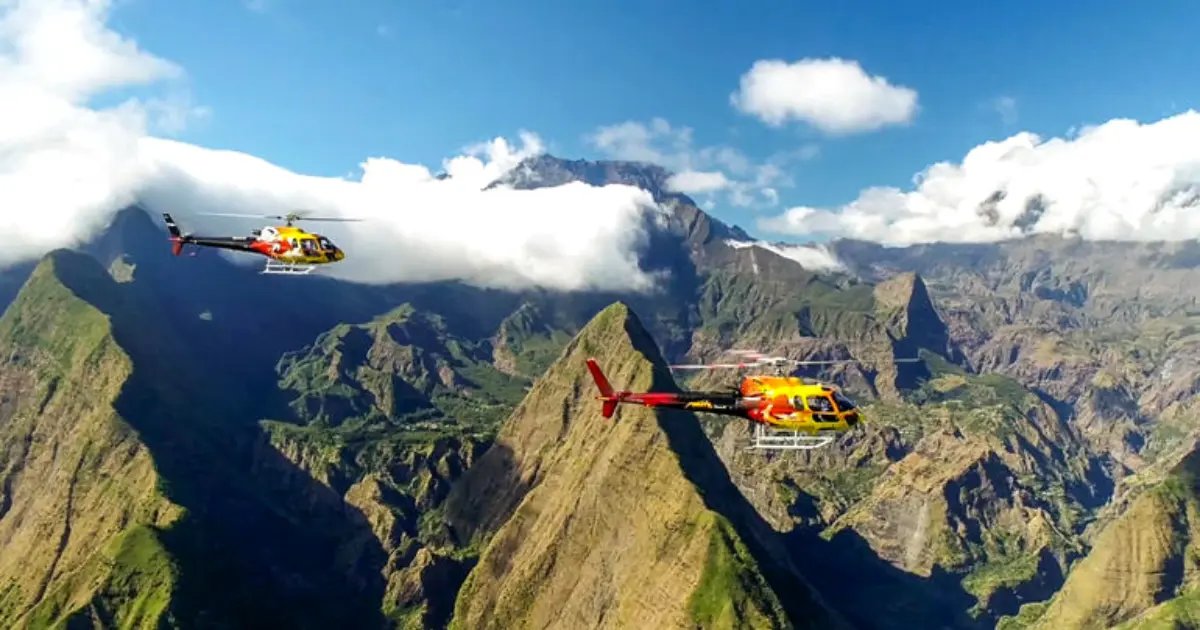
Camping puts you at sand level, with the sun setting straight into the ocean. A helicopter flips the perspective: the long black sand beach seen from above, the Saint-Pierre lagoon 10 minutes away by air and, on the longer routes, the active crater of Piton de la Fournaise.
It complements the beach rather than repeating it. There are 8 routes departing from Saint-Pierre or Saint-Paul, lasting 15 minutes to 1 hour.
From €125 · 210 Manawa reviews · Saint-Pierre / Saint-Paul
See helicopter prices
Other spots
Other wild-camping spots and beaches on the west coast
Étang-Salé Forest
A forest camping spot in the woods just above the seafront, quieter and shadier.
See the spot
Pointe au Sel, Saint-Leu
A protected natural site 15 minutes to the north, with a cave pool and sunsets over the ocean.
See the spot
Ti Sable Beach, Saint-Joseph
Another black sand beach, in the wild south, with a rawer, more remote feel.
See the spot
Sleep nearby
Places to stay near the seafront
For the night before or after your camping trip, here are places to stay within 25 km, on the west coast between Saint-Pierre and Saint-Leu.
hotel3 km hotel4 km
 hotel4 km
Frequently asked questions
FAQ: wild camping on the Étang-Salé seafront
How do you get to the Étang-Salé seafront?
From the N1 coming from the north, take the first exit signed "Étang-Salé-les-Bains". Head towards the village centre, then at the second roundabout turn left towards the seafront. Park before the road ends in a cul-de-sac: a large free car park runs alongside the beach. Allow 25 minutes from Saint-Pierre, 35 minutes from Saint-Leu.
Is wild camping here really free?
Yes, wild camping is free on the Étang-Salé seafront. No booking, no fee. The site is managed by the local council, which tolerates one-night camping on the grassy areas behind the beach, as long as your tent goes up late, comes down early and you leave no rubbish behind.
What facilities are available on site?
The seafront is one of the best-equipped spots on the island: free public showers, daytime toilets, water points, a large free car park, step-free areas, places to eat, a Sunday market, playgrounds and beach volleyball courts. It's the most comfortable choice for a first family beach camping trip.
Is there a shark risk at Étang-Salé?
Étang-Salé is one of the few beaches on the island with a lifeguarded swimming zone protected by shark nets and barriers. Check on site or with the town hall for the authorised zones and opening hours. Swimming outside the protected zone is strongly discouraged: the shark risk is real along the whole coastline.
Can you light a fire on the beach?
No, campfires are not allowed on the sand. A portable gas stove is the only option for cooking. Where there are fixed barbecues on the edge of the grassy area, they are signposted. Otherwise, stick to gas.
When is the best time to camp at Étang-Salé?
The southern winter (May to October) brings the most stable conditions: clear skies, moderate trade winds and mild nights. Summer (November to April) is warmer but more exposed to cyclone swells. Avoid local school holidays and long weekends, when the seafront fills up from Friday evening, and go on a weekday instead.
What else is there to do nearby?
Étang-Salé sits at the heart of the sporty west coast: electric quad biking in the hills, Air Jump bungee jumping 5 minutes away, surf lessons on the gentle waves, paragliding at Saint-Leu 15 minutes away, or a helicopter flight for the widest view over the lagoon, the Maïdo cliffs and Piton de la Fournaise.
Is there a market or food nearby?
Yes, a market livens up the seafront on Sunday mornings: local produce, fruit, samosas and "bouchons" (steamed dumplings). Several snack bars and food trucks are open year-round, and a few restaurants have terraces facing the sea. A shopping centre and supermarkets are 10 minutes away by car in the town of Étang-Salé-les-Hauts.