Updated October 2026

Where to See Whales in France?

Reunion Island (June-October), the Bay of Biscay, the Pelagos Sanctuary in the Mediterranean, and Corsica. 4 French spots for watching humpback whales, fin whales and dolphins, with seasons, species and my tips.

4spots in FranceJun-Seppeak seasonPelagos87,500km² protected

Seeing a whale in its natural habitat remains one of the most memorable wildlife encounters you can have. France isn't the first country that comes to mind, but its overseas territories and mainland coastline actually offer four areas where sightings are regular and well managed.

Here are the 4 spots to see whales in France, ranked by sighting frequency and quality of guidance, with seasons, species and tips for choosing a responsible operator.

The 4 spots

From the best to the most accessible

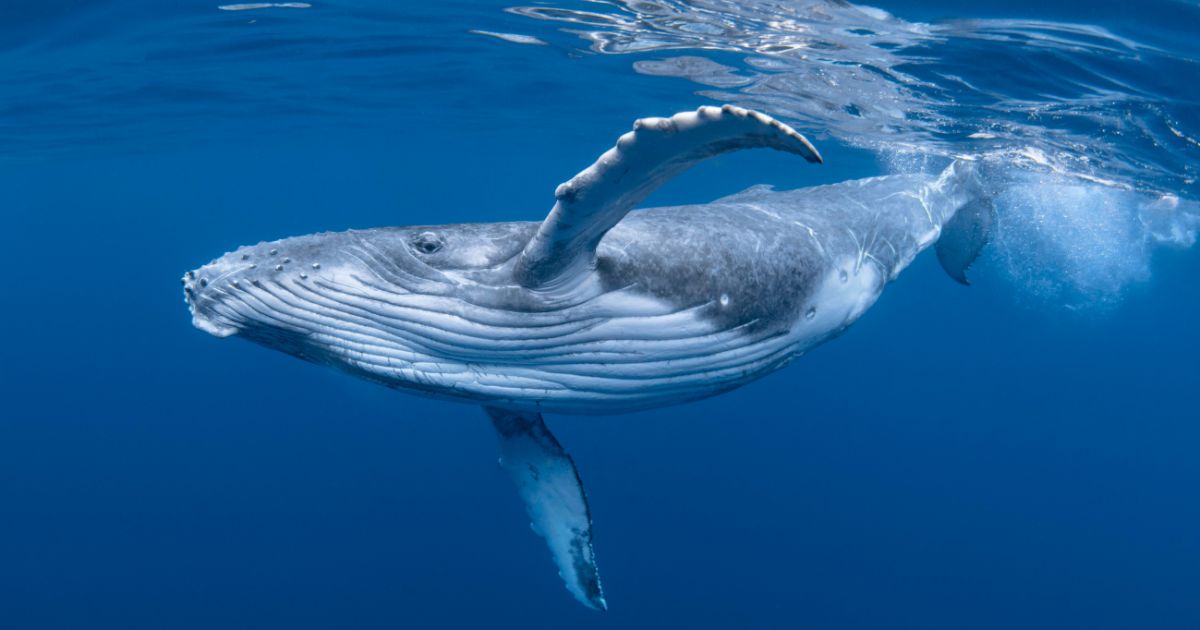
A humpback whale breaching off the coast of Reunion Island
Spot 01My top pick
Overseas France · Indian Ocean

Reunion Island

Season

June to October (austral winter)

Species

Humpback whales (Megaptera novaeangliae)

Reunion Island is probably the best French spot for seeing humpback whales: every austral winter (June to October), these giants migrate from Antarctica to give birth and mate in the warm waters of the Indian Ocean. Sightings are possible from the west coast (Saint-Leu, Grande-Anse, Saint-Gilles) or on a guided boat trip. Newborn calves are regularly spotted in August-September.

Practical info

Boat trips from €90 in Saint-Gilles, departing from the marina. A responsible watching charter is compulsory (minimum 100m distance, no pursuit). Snorkelling (fins, mask, snorkel) in the presence of whales is now strictly regulated under prefectural rules.
Book a whale watching trip in Reunion Island
The Bay of Biscay
Spot 02
Brittany / the Basque and Landes coasts

The Bay of Biscay

Season

June to September

Species

Minke whales, dolphins, occasionally fin whales

The Bay of Biscay is one of Europe's top cetacean watching spots, thanks to the meeting of warm and cold currents that concentrates plankton, and with it, prey. Several species cross paths offshore: minke whales, migrating fin whales, and various dolphin species. Boat trips depart from Hendaye, Capbreton or Audierne, often under sail to limit the impact on wildlife.

Practical info

Full-day trips cost €60-120 depending on the operator. Choose traditional sailboats and scientific associations (citizen-science watching programmes). Pack seasickness medication: the Atlantic swell can be substantial.

The Mediterranean and the Pelagos Sanctuary
Spot 03
Côte d'Azur, Provence

The Mediterranean and the Pelagos Sanctuary

Season

June to September

Species

Fin whales, striped dolphins, Cuvier's beaked whales

The Pelagos Sanctuary is a marine protected area of over 87,500km², created in 1999 between France, Italy and Monaco. It's home to eight cetacean species regularly sighted, including the fin whale (the second-largest marine animal after the blue whale). Boat trips depart from Cannes, Antibes, Nice, Toulon or Saint-Mandrier.

Practical info

Half-day trips from €60, full-day trips €90-150. The June-September season sees the highest sighting frequency. Choose operators certified 'High Quality Whale Watching' (the Pelagos label), who follow approach protocols.

Corsica
Spot 04
Corsica, Mediterranean

Corsica

Season

June to September

Species

Dolphins (spinner, Risso's), fin whales

Corsica offers a genuine cetacean watching experience in an outstanding setting (the UNESCO-listed Scandola nature reserve, the Gulf of Porto, the Calanques de Piana). Several operators run half-day or full-day trips departing from Calvi, Ajaccio, Porto-Vecchio or Saint-Florent. The island sits at the heart of the Pelagos Sanctuary.

Practical info

Half-day trips cost €50-90 depending on the operator. Combining cetacean watching with swimming is common on the full-day format. The peak summer season (July-August) is busier, so go in June or September for quieter trips.

My speciality

Cetacean Watching in Reunion Island

I live in Reunion Island and follow the whale season live every year. Boat trips start at €90 with hand-picked operators, and a responsible approach charter is compulsory. See my full guide with compared prices and verified reviews.

See my Reunion Island cetacean guide
Frequently asked questions

Watching whales in France, in practice

What's the best place to see whales in France?
Reunion Island, without a doubt, from June to October. It's the only French département where you can watch humpback whales in the middle of mating and giving birth, with very high sighting rates in season (some operators quote an 80-90% chance of a sighting per trip). On the mainland, the Pelagos Sanctuary in the Mediterranean and the Bay of Biscay are the two main areas.
What time of year should you see whales in France?
In Reunion Island, June to October (the austral winter). On the mainland, mainly June to September, sometimes stretching to November in the Bay of Biscay for migrating fin whales. The summer window is the most favourable everywhere, as the sea is calmer and species are more present near the coast.
Which species can you see in France?
Depending on the area: humpback whales in Reunion Island (spectacular breaches), fin whales and beaked whales in the Pelagos Sanctuary (Mediterranean), minke whales and dolphins in the Bay of Biscay. Several dolphin species can be seen year-round in all three regions.
How much does a whale watching trip cost?
From €60-90 for a half-day trip with most serious operators (Reunion Island, Corsica, Pelagos). Full-day trips with lunch and swimming range from €90 to €150. Citizen-science trips are sometimes pricier (€120-180) but include more in-depth guidance.
How do you choose a responsible operator?
Check that the operator follows the approach charter (minimum distance, no pursuit, a 30-minute limit per group of animals). In Reunion Island, signing the 'Responsible Whale Approach Charter' is compulsory. In the Mediterranean, look for the Pelagos Sanctuary's 'High Quality Whale Watching' (HQWW) label. Sailboats and catamarans are best, as they make less noise.
Can you swim with whales in France?
In Reunion Island, getting in the water (fins, mask, snorkel) in the presence of whales is strictly regulated under prefectural rules. Some periods see the activity suspended or limited. On the mainland, swimming with cetaceans isn't offered commercially: you watch from the boat.
Do you need to book long in advance?
In Reunion Island during the season (July-September, school holidays): 2 to 4 weeks ahead. On the mainland in high season (July-August): 1 to 2 weeks is enough. Outside the season, 24-48 hours ahead. Always check the marine weather forecast the day before: trips can be cancelled if the sea is rough.
Go further

Keep reading

Article last updated on 23 October 2026.