Guide updated October 2026

Where to take a van road trip in France: 12 destinations

From the Verdon Gorges to Brittany, from Corsica to Alsace, here are the best spots to park the van across mainland France and overseas. Itineraries, budget tips, the best season and wild-camping advice for every stop.

12destinationsMay-Octoberbest season200,000+Park4night spots

France is probably the most complete country in Europe for van life: Atlantic and Mediterranean coastlines, Alpine and Pyrenean mountains, Auvergne's volcanoes, vineyards, listed villages, and even a tropical volcano overseas. You could plan a thousand different road trips without ever crossing a border.

Here are the 12 destinations that genuinely deserve the detour by van, from the most iconic (Brittany, the Verdon Gorges, Corsica) to the most exotic (Reunion Island, Auvergne). For each one: a suggested route, key spots, a van-specific tip, and a link to a dedicated, more detailed page where one exists.

Contents

All 12 destinations at a glance

Click a destination to jump to its details. Everything is organised by region.

  1. 1
    Reunion Island
    Overseas France · Indian Ocean
  2. 2
    The Verdon Gorges
    Provence-Alpes-Côte d'Azur
  3. 3
    The Loire Valley Châteaux
    Centre-Val de Loire
  4. 4
    The Somme Bay
    Hauts-de-France
  5. 5
    Mont Saint-Michel
    Normandy / Brittany
  6. 6
    The Basque Country
    Nouvelle-Aquitaine
  7. 7
    Brittany
    Brittany
  8. 8
    Corsica
    Corsica
  9. 9
    Provence
    Provence-Alpes-Côte d'Azur
  10. 10
    Auvergne
    Auvergne-Rhône-Alpes
  11. 11
    Normandy
    Normandy
  12. 12
    Alsace
    Grand Est
Why France?

3 good reasons to choose France

Spain or Portugal often come up first for van life, but France holds its own on three unbeatable points.

01

Landscape diversity

Vineyards, beaches, mountains, volcanoes, gorges, dunes, primary forests: within 1,500 km you get every European climate and landscape. No other country packs in this much variety.

02

A dense network of stopovers

Over 6,000 municipal motorhome stopovers, at least half of them free or under €10. Park4night also lists wild-camping spots verified by the community.

03

Short distances

1 to 3 hours' drive between most major sites. You can put together a coherent road trip in 5 to 10 days without burning out behind the wheel.

The details

The 12 best destinations in detail

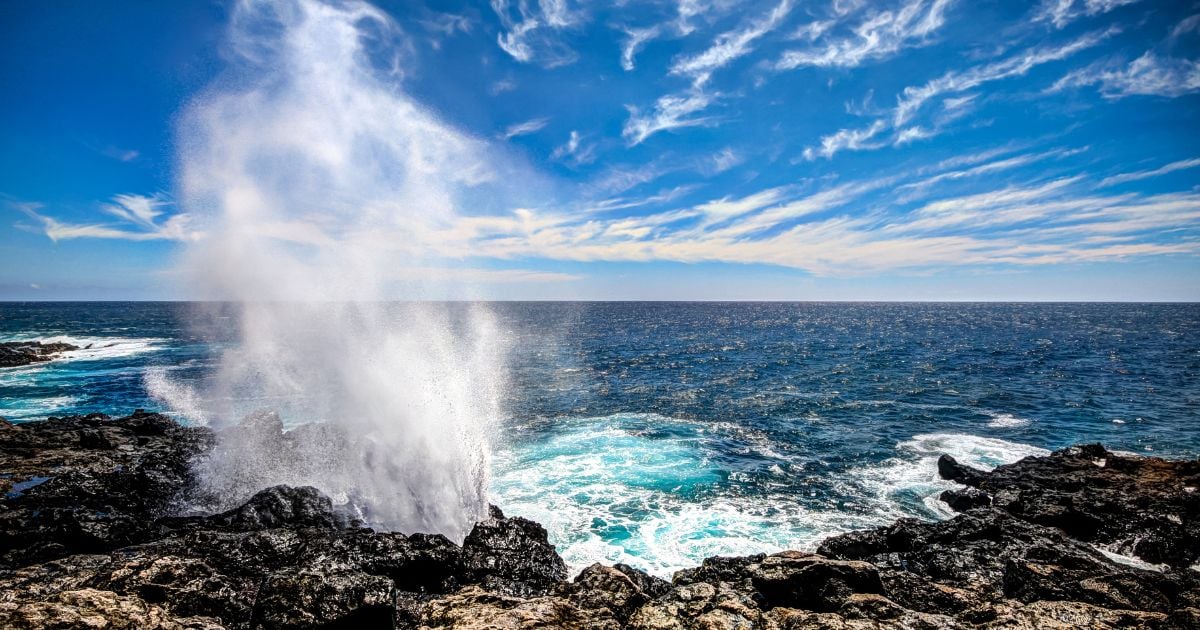
The Souffleur de Saint-Leu, a natural blowhole on Reunion Island's rocky west coast
Destination 01My top pick
Overseas France · Indian Ocean

Reunion Island

“The most exotic road trip France has to offer.”

Three cirques (Mafate, Salazie, Cilaos), an active volcano, black-sand beaches, tropical rainforest, and a coastal road that circles the island in 220 km. For anyone who wants to combine France with total exoticism, Reunion Island is unbeatable. Its culture blends European, African, Indian and Chinese influences, visible in the food, the architecture and the pace of life.

The van suits the island particularly well: official wild-camping spots all over, trailheads starting right from the car park, street markets at any hour. Allow 7 to 10 days for an unhurried loop through Saint-Gilles, Saint-Leu, Saint-Pierre, the volcano, Saint-Philippe, the wild south, Saint-Benoît, Saint-Denis and Mafate viewed from the Maïdo.

Spots to see
  • ·Piton de la Fournaise
  • ·Cirque de Mafate viewed from the Maïdo
  • ·Ermitage beach
  • ·The wild south, between Saint-Joseph and Saint-Philippe
Van tip

Specialised rental agencies on the island (fitted vans and 4x4s with pop-tops). Free wild camping is restricted to private land: use the official wild-camping areas instead.
See my guide to van rental in Reunion Island
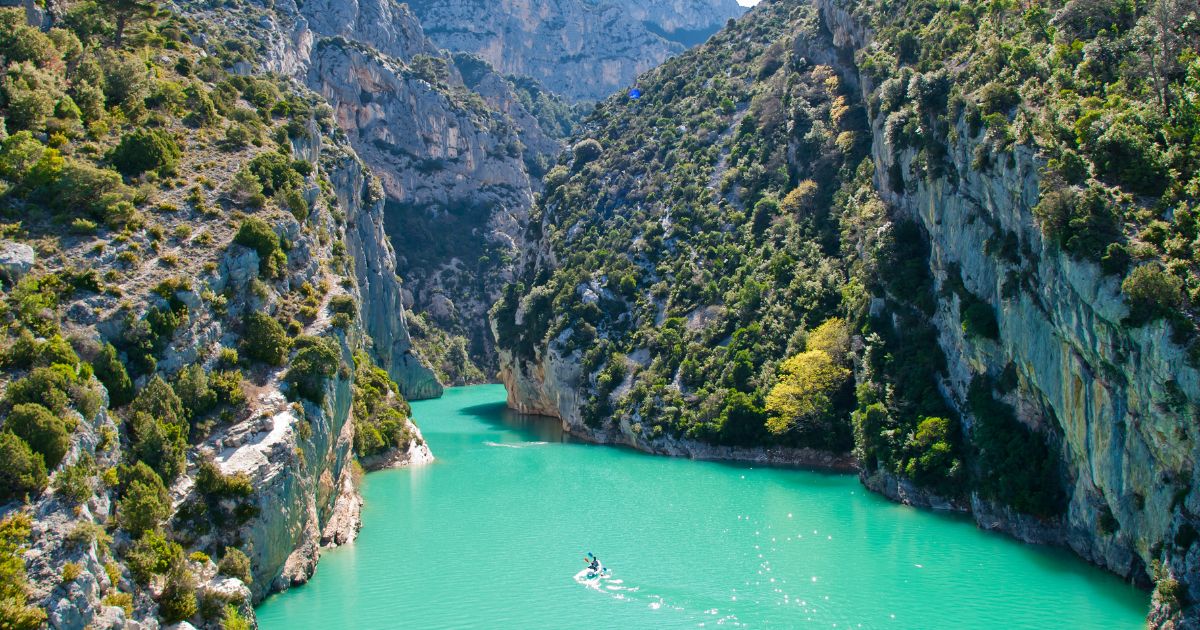
Turquoise water in the Verdon Gorges with a kayak, limestone cliffs on either side
Destination 02
Provence-Alpes-Côte d'Azur

The Verdon Gorges

“France's 'Grand Canyon', 700 m deep.”

Emerald-green water, 700 m limestone cliffs, kayaking, canyoning, climbing: the Verdon Gorges are a destination you experience as much outside the van as inside it. The Route des Crêtes (D23) along the left bank is a 23 km loop with fourteen viewpoints overlooking the gorge.

At Lake Sainte-Croix, turquoise water and watersports centres let you rent a kayak, paddleboard or pedalo. The village of Moustiers-Sainte-Marie, clinging to a cliffside, is worth a stop for its pottery and the walk up to the Notre-Dame-de-Beauvoir chapel.

Spots to see
  • ·Route des Crêtes (D23)
  • ·Lake Sainte-Croix
  • ·Moustiers-Sainte-Marie
  • ·Pont du Galetas
Van tip

Motorhome stopovers at La Palud-sur-Verdon and Moustiers. Overnight parking is regulated at the viewpoints, so check Park4night before settling in.

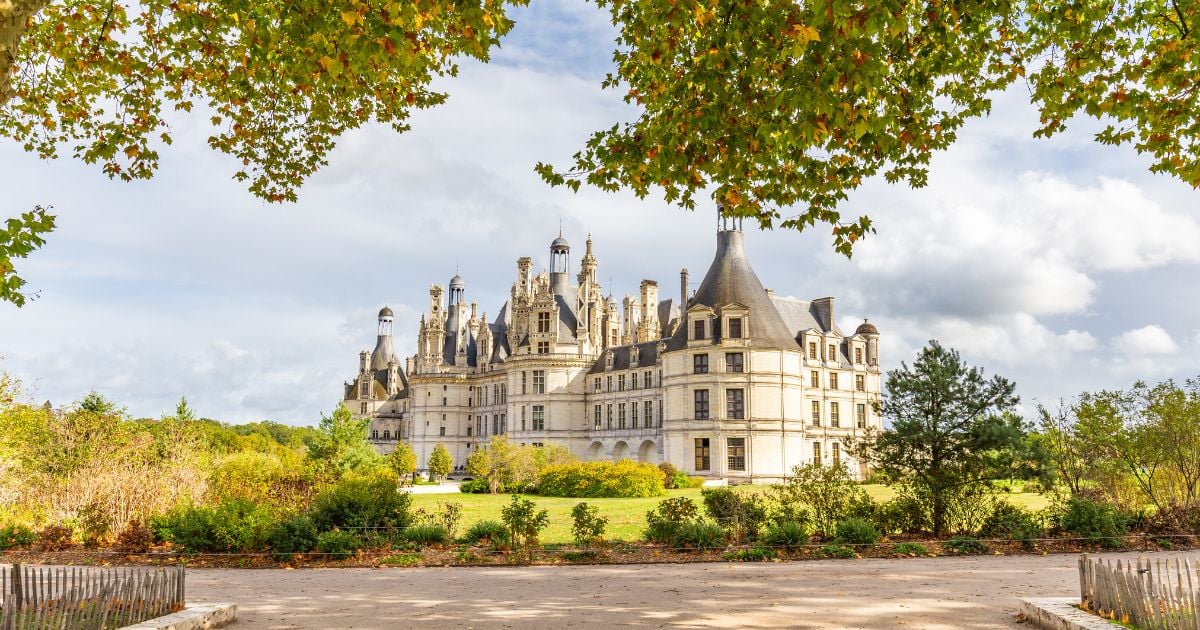
Château de Chambord seen from its gardens, with its Renaissance architecture and towers
Destination 03
Centre-Val de Loire

The Loire Valley Châteaux

“200 Renaissance châteaux along the royal river.”

200 km of the Loire between Orléans and Angers, dotted with Renaissance châteaux you can visit in a day each. Chambord and its double-helix staircase attributed to Leonardo da Vinci, Chenonceau and its gallery bridge over the Cher, Villandry with its chequerboard kitchen gardens, Azay-le-Rideau resting on the water.

The route works comfortably in 4 to 5 days by van, with one stop each evening near a château or along the Loire. The 'La Loire à Vélo' cycle route also offers stopovers for smaller motorhomes, and bikes can be rented there to reach the less-visited châteaux.

Spots to see
  • ·Chambord
  • ·Chenonceau
  • ·Villandry and its gardens
  • ·Azay-le-Rideau
Van tip

Plenty of municipal motorhome stopovers, free or under €10. The Loire riverbank is open for overnight parking outside restricted zones.

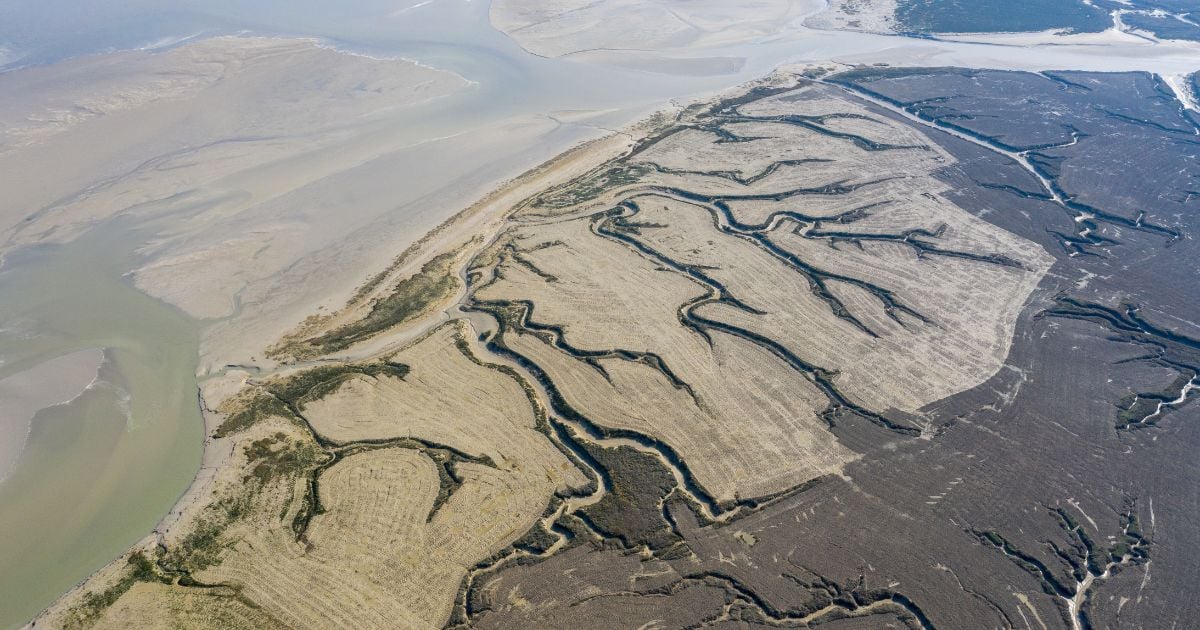
Aerial view of the Somme Bay with its channels winding through the salt marshes
Destination 04
Hauts-de-France

The Somme Bay

“One of the world's most beautiful bays, a listed heritage site.”

A sanctuary for migratory birds, marshes, dunes, wild beaches: the Somme Bay is one of the only places in Europe to pack this kind of landscape within just 2 hours of Paris. A kayak trip at high tide, a walk through the marshes at low tide, and an almost guaranteed encounter with harbour seals on the sandbanks.

The villages of Saint-Valery-sur-Somme (cobbled streets, medieval harbour) and Le Crotoy (the only south-facing beach on the north coast) make good bases. The little Somme Bay steam train runs between the two, at a pace kids can enjoy.

Spots to see
  • ·Saint-Valery-sur-Somme
  • ·Le Crotoy
  • ·Parc du Marquenterre (bird sanctuary)
  • ·Cap Hornu
Van tip

The Cayeux-sur-Mer stopover is open year-round, around €12. Tides dictate access to the seals, so download a tide-tables app before the trip.

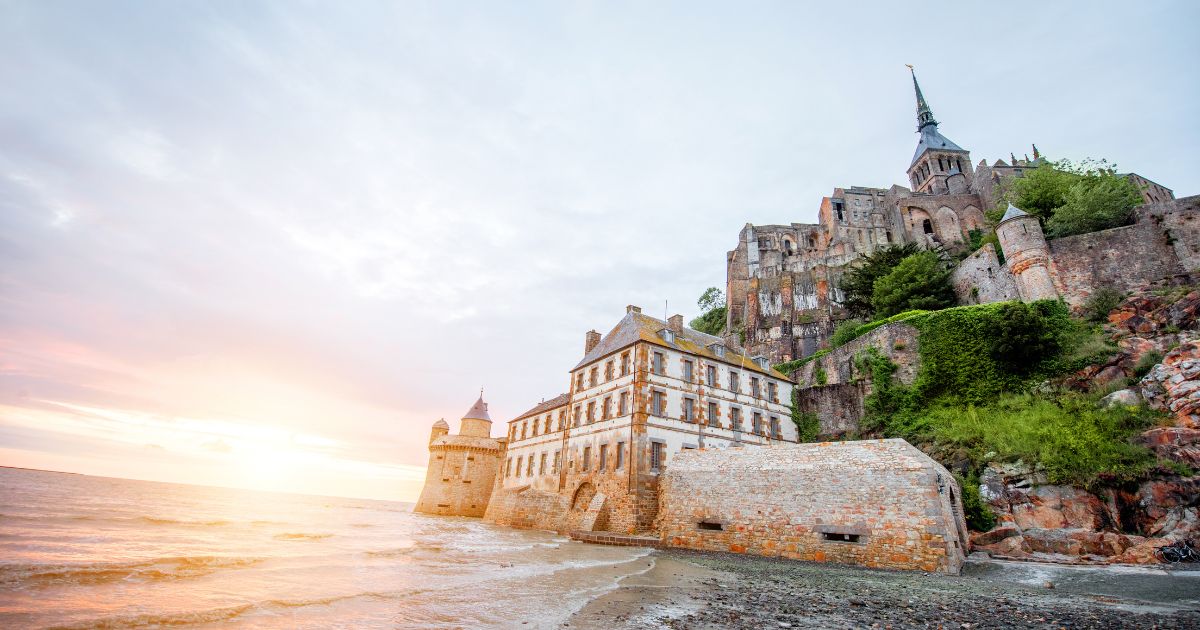
Mont Saint-Michel at sunset, seen from the sand flats at low tide
Destination 05
Normandy / Brittany

Mont Saint-Michel

“A medieval rocky islet surrounded by the tides.”

The abbey, the medieval streets, the Mère Poulard omelette, and above all the tidal phenomenon that temporarily cuts the islet off from the mainland. The big equinox tides (March and September) draw thousands of visitors, so plan to arrive very early or very late if you want a stress-free place to park.

The van lets you spend the night nearby (the official Beauvoir stopover, 4 km away, with a shuttle to the Mont included) and follow up with a detour to Cancale for oysters or Saint-Malo (50 km to the west).

Spots to see
  • ·The Mont and its abbey
  • ·Pointe du Grouin (Cancale)
  • ·Saint-Malo's old town
  • ·Pontorson
Van tip

The Beauvoir stopover is 4 km from the Mont, around €17/night, with a free shuttle to the islet. Parking is banned right by the Mont itself.

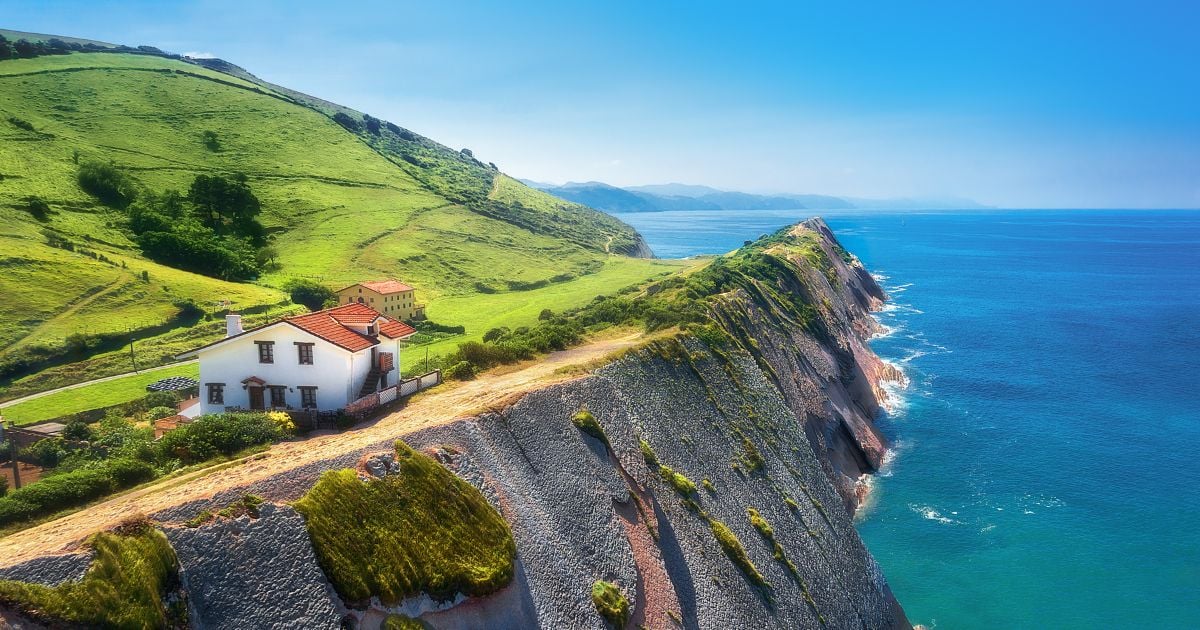
The Basque coast, with a white house and red roof on green cliffs facing the Atlantic Ocean
Destination 06
Nouvelle-Aquitaine

The Basque Country

“Pyrenees and Atlantic beaches less than an hour apart by van.”

The contrast between mountains and ocean makes the Basque Country ideal for a van: start the morning in the mountains (La Rhune, Iraty) and end the day with your feet in the sand at Biarritz or Hendaye. Strong culture, distinctive food (pintxos, gâteau basque, Espelette pepper) and one listed village after another.

Espelette with its façades covered in red peppers come September, Ainhoa with its main street lined with 17th-century inns, Sare at the foot of La Rhune. For beaches: the Côte des Basques in Biarritz for surfing, Saint-Jean-de-Luz for the harbour, and Hendaye for its big family-friendly beach.

Spots to see
  • ·Biarritz and the Côte des Basques
  • ·Espelette
  • ·Ainhoa and Sare
  • ·Saint-Jean-de-Luz
Van tip

Plenty of motorhome stopovers, but high season (July-August) gets busy, so book ahead. Overnight parking is banned on the Basque corniche.

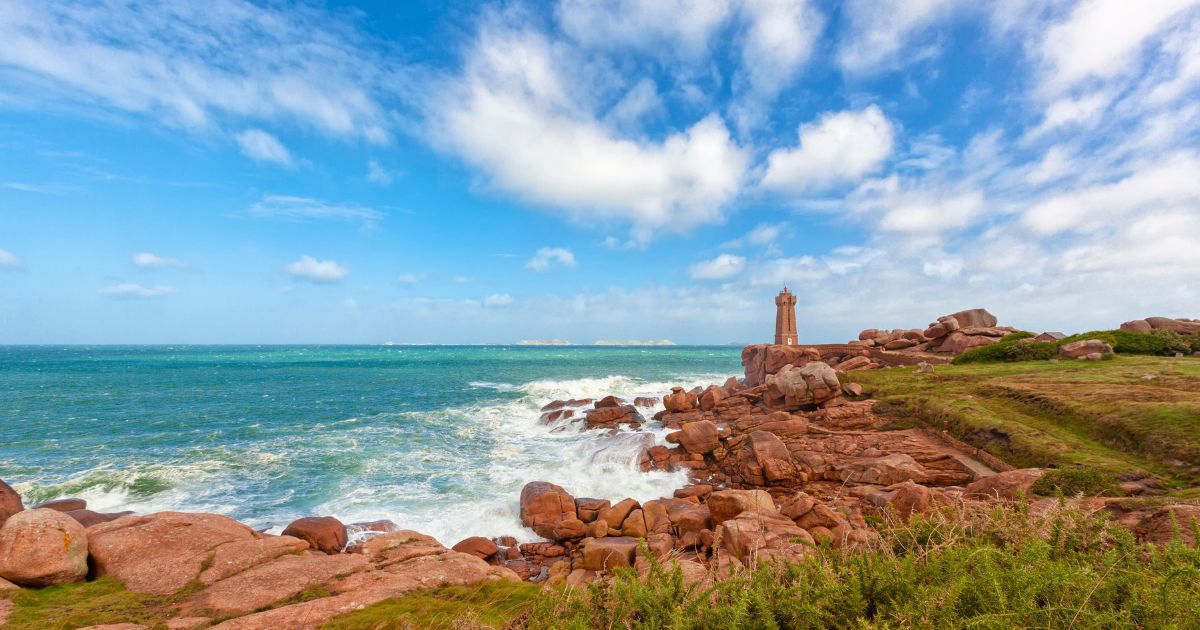
Ploumanac'h lighthouse on Brittany's Pink Granite Coast, pink rocks and turquoise sea
Destination 07
Brittany

Brittany

“Wild coastlines, solitary lighthouses, Celtic culture.”

Brittany is probably the most complete van destination in France. The Emerald Coast, the Pink Granite Coast, the Crozon peninsula, Pointe du Raz: 2,700 km of coastline to explore, dotted with iconic lighthouses (Eckmühl, Créac'h, Ploumanac'h), isolated chapels and small fishing harbours.

The inland areas have their own appeal too: the Brocéliande forest with its Arthurian legends, the Carnac megalithic alignments, medieval towns like Dinan or Quimper. On the food side, crêpes and galettes, seafood and craft cider at every stop.

Spots to see
  • ·Pointe du Raz
  • ·Pink Granite Coast
  • ·Saint-Malo
  • ·Crozon peninsula
Van tip

Brittany is very van-friendly: free municipal stopovers everywhere, and wild camping is tolerated on public coastal land outside high season.

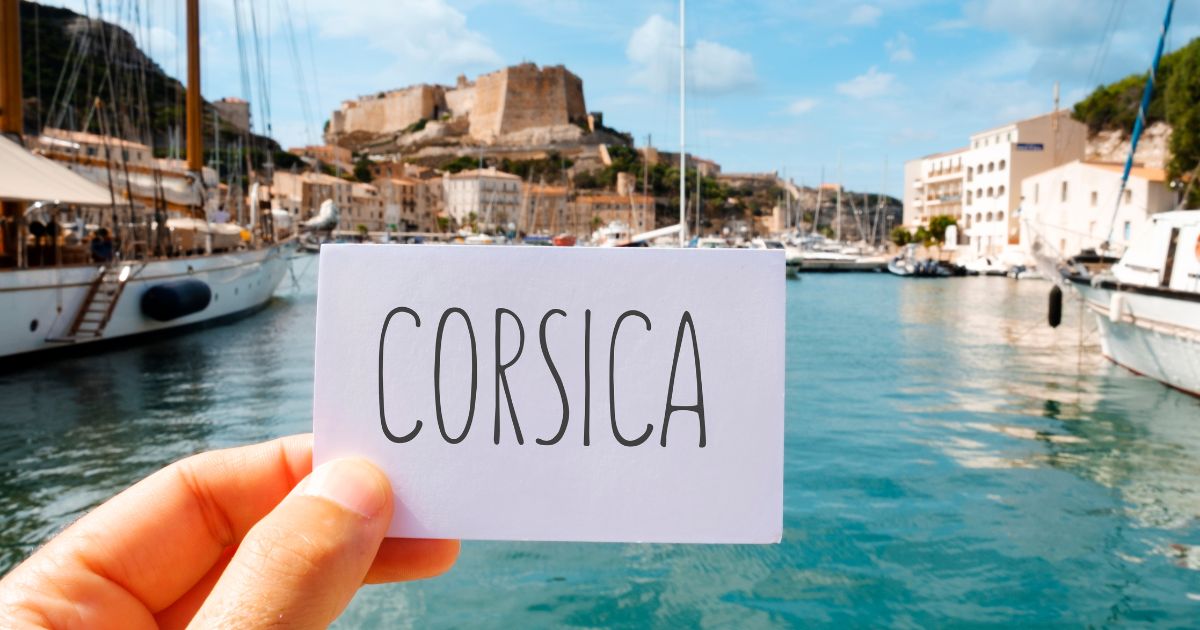
Bonifacio harbour in Corsica seen from the sea, with the citadel perched on its white cliffs
Destination 08
Corsica

Corsica

“The Isle of Beauty, turquoise beaches and the GR20.”

Postcard beaches (Palombaggia, Santa Giulia, Rondinara), inland mountains crossed by the GR20, hilltop villages (Sant'Antonino, Piana with its ochre calanques). Corsica packs into 8,700 km² what other countries spread across ten times the area.

The ferry from Marseille, Toulon or Nice takes the van easily (around €150-300 return depending on season). A 10-day loop covers the essentials: Bastia, Cap Corse, Calvi, the Calanches de Piana, Ajaccio, Bonifacio, Porto-Vecchio, at least one stage of the GR20, and back.

Spots to see
  • ·Calanches de Piana (UNESCO)
  • ·Bonifacio
  • ·Palombaggia beach
  • ·Cap Corse
Van tip

Free wild camping is banned in Corsica, so stick to official stopovers or campsites. Book the ferry several months ahead for July-August.

A lavender field in bloom in Provence at sunset, pink and purple sky
Destination 09
Provence-Alpes-Côte d'Azur

Provence

“Lavender, olive trees, markets and stone villages.”

Provence by van means combining the Luberon and its hilltop villages (Gordes, Roussillon with its red ochre cliffs, Bonnieux), the lavender plateaus of Valensole in July, Sunday-morning Provençal markets, and the Calanques de Cassis to finish with your feet in the water.

Key season: June-July for lavender in bloom, September for the grape harvest. Avoid August, when traffic is heavy and prices double. The van works well for visiting the villages: arrive before the tour buses, leave after they do, and sleep just outside town.

Spots to see
  • ·Valensole plateau (lavender)
  • ·Gordes and Roussillon
  • ·Calanques de Cassis
  • ·Sunday markets
Van tip

The Luberon has plenty of municipal service stopovers. Calanques de Cassis: parking is difficult and pricey, so set off early.

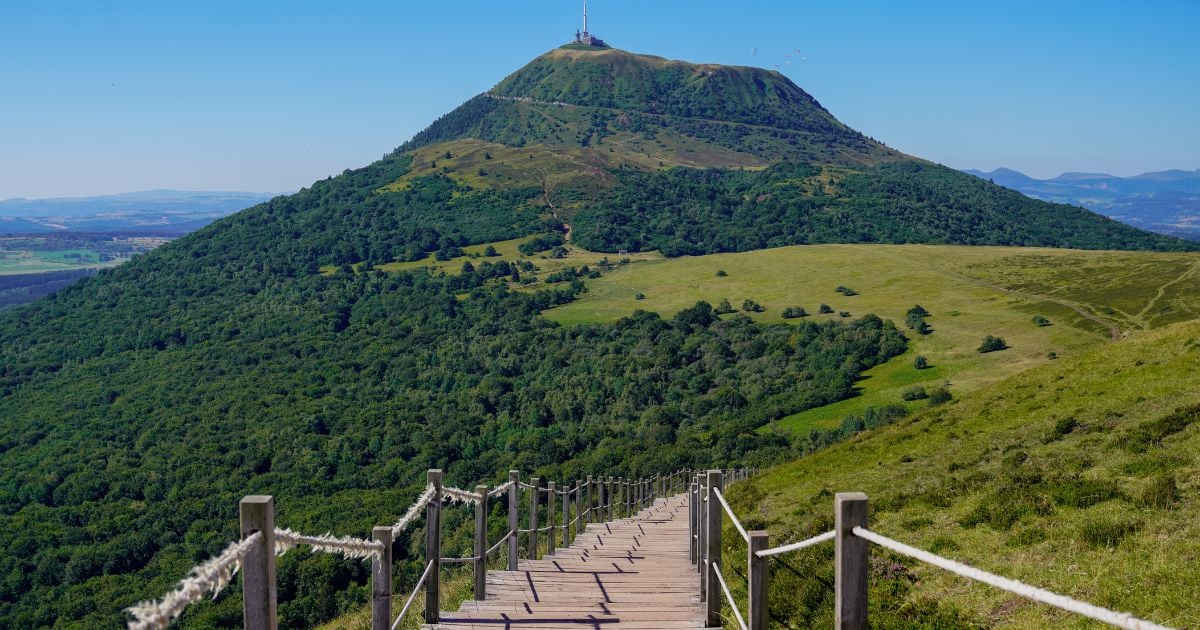
The Puy de Dôme in Auvergne, with its wooden staircase leading to the summit and a panoramic view over the volcanoes
Destination 10
Auvergne-Rhône-Alpes

Auvergne

“Dormant volcanoes and crater lakes, unbeatable value for money.”

The Massif Central, the Chaîne des Puys (UNESCO), the Puy de Dôme reachable by rack railway or on foot, crater lakes (Pavin, Servière), the Sioule gorges, Salers and Saint-Flour in the Cantal. Auvergne remains one of France's least-visited regions relative to what it offers: very reasonable prices, plenty of service stopovers, and volcanic landscapes that feel a world away.

On the food side, protected-origin cheeses galore (Saint-Nectaire, Cantal, Bleu d'Auvergne, Salers), black-pig charcuterie and Puy green lentils. Regular markets in the villages, at accessible prices.

Spots to see
  • ·Puy de Dôme
  • ·Lake Pavin
  • ·Salers
  • ·Sioule gorges
Van tip

A dense network of municipal stopovers, free or €5-8. Wild camping is tolerated on forest roads within the regional nature park, outside protected zones.

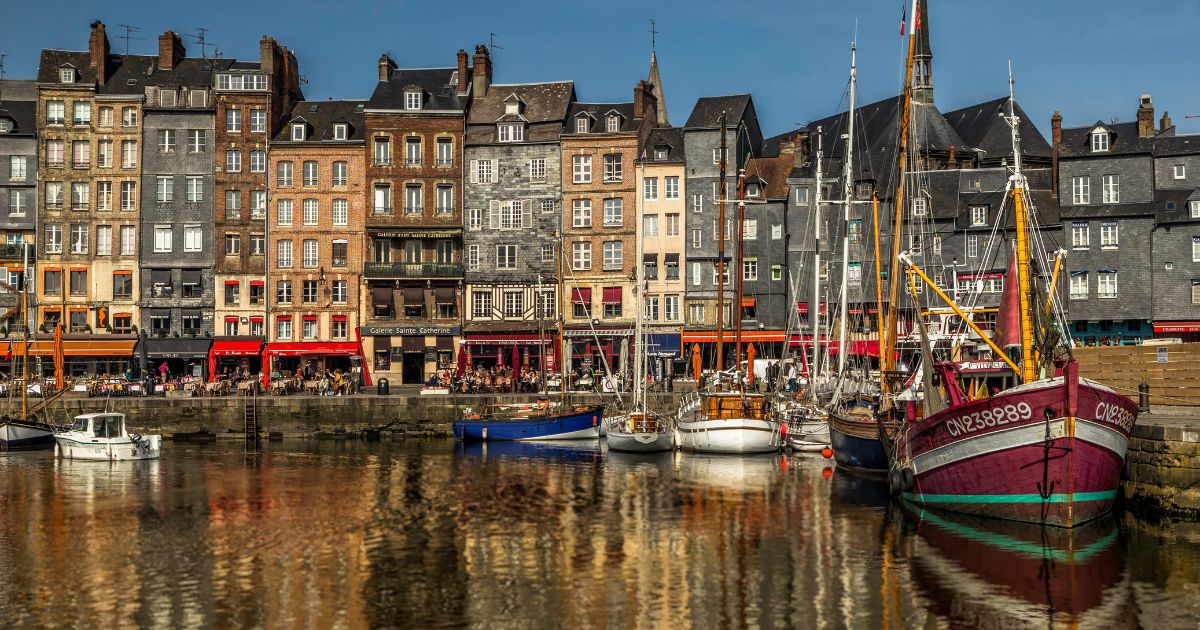
Honfleur harbour in Normandy, with its colourful half-timbered houses and moored sailboats
Destination 11
Normandy

Normandy

“D-Day landing beaches, Étretat's cliffs, cider and camembert.”

Normandy by van breaks down into three possible routes depending on your interest: remembrance (the D-Day landing beaches, Colleville cemetery, Pointe du Hoc), the picturesque (Honfleur, Deauville, Étretat and its arched cliffs), or the countryside (the Pays d'Auge with its hedgerows, apple orchards and cheese dairies).

Distances are short, 1 to 2 hours' drive between each site, which makes for an easy 4-5 day road trip. October-November is new cider season on the farms, best tasted straight from the producers.

Spots to see
  • ·D-Day landing beaches
  • ·Honfleur
  • ·Étretat's cliffs
  • ·Pays d'Auge
Van tip

Plenty of motorhome stopovers along the coast. Étretat gets very crowded in summer; park at Bénouville and walk 30 minutes to the cliffs instead.

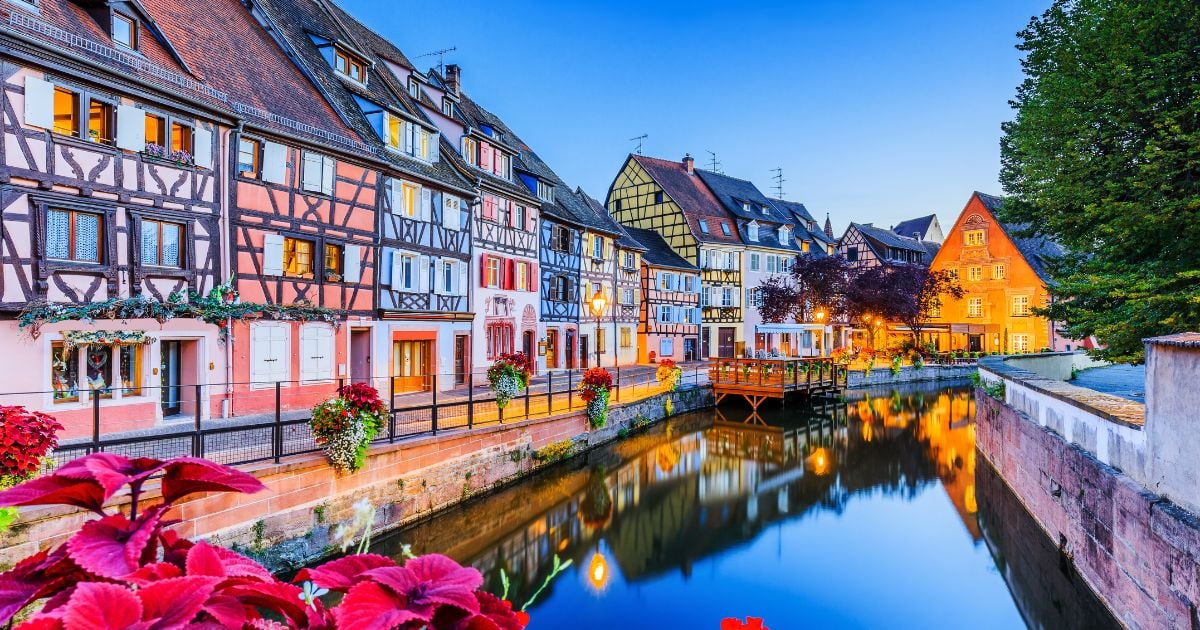
The Petite Venise district in Colmar, Alsace, with its half-timbered houses reflected in the canal
Destination 12
Grand Est

Alsace

“The wine route, half-timbered villages, Christmas markets.”

The Alsace Wine Route runs 170 km from Marlenheim to Thann, dotted with half-timbered villages with flower-covered balconies (Ribeauvillé, Riquewihr, Eguisheim, Kaysersberg), medieval castles (Haut-Kœnigsbourg) and wine estates offering tastings. Allow at least 3-4 days to do it justice.

December is Christmas market season, among the most beautiful in Europe (Strasbourg, Colmar, Kaysersberg). The van lets you skip the overbooked, overpriced hotels of that period, as long as you pack a powerful stove and a good duvet.

Spots to see
  • ·Wine Route (Ribeauvillé to Eguisheim)
  • ·Colmar and Petite Venise
  • ·Strasbourg in December
  • ·Haut-Kœnigsbourg
Van tip

Plenty of wine-estate stopovers with tastings nearby. In Strasbourg: a dedicated stopover 3 km from the centre, with a free tram shuttle.

Prepping the van

Planning a successful van road trip

Whether you're buying or renting, these 4 topics come up in every trip planning. Here's what matters most.

Everyday life in a fitted van: preparing a meal in the built-in kitchenette

Renting vs buying

For a first trip, renting is by far the simplest option. My partner Yescapa offers peer-to-peer rental (owner-to-traveller, from €40/day, over 2,900 vehicles across France). Alternatives: WikiCampers, Indie Campers or Roadsurfer (professional agencies, pricier but with newer fleets). For frequent trips (3-4 times a year), buying pays for itself over about 5 years.

Storage and organisation

Stackable modular bins, multi-purpose furniture (fold-down table/bed, bench seats with storage), magnetic hooks for utensils. Keep the essentials (head torch, water, toilet paper) within reach near the sliding door.

Where to sleep legally

Municipal motorhome stopovers (the majority), authorised car parks, private land with permission. Park4night remains the go-to app (free, 200,000 verified spots). Wild camping: allowed in state forests outside protected zones, banned on unmarked coastline.

Everyday life

A portable gas stove, a solar shower, biodegradable wipes to save water. Budget 60-80 L of water for 4-5 days for two people. Empty waste water at service stopovers (usually €2-5).

A fitted van rented through Yescapa, a road-trip landscape in France
My rental partner

Find your van on Yescapa

A peer-to-peer platform with over 2,900 vans and motorhomes across France, from €40/day. I've negotiated direct access to their catalogue, and it's what I recommend for a first trip: a varied fleet, rated owners, insurance included.

See the vans on Yescapa

Partner link. The price stays the same for you; I earn a small commission that helps fund the site.

My specialty

Combining a France road trip with total escapism in Reunion Island

I live in Reunion Island, and I know every rental agency and every good wild-camping spot on the island. If you want to add a tropical change of scenery to your France itinerary, here's my complete guide: van models, prices, authorised stopovers and a 7-day itinerary.

My van guide to Reunion Island
Frequently asked questions

Van life in France, in practice

What's the best destination for a first van trip in France?
Brittany and Auvergne suit a first-timer particularly well. A dense network of free or cheap motorhome stopovers, short distances between sites, mild weather. For something more active or exotic, the Basque Country or Reunion Island are solid second choices.
How much does a week-long van trip cost in France?
For two people in a rented van: around €280-450 for the rental (Yescapa and other peer-to-peer platforms start at €40/day), around €150 in fuel for 1,500 km, around €70 for motorhome stopovers (around €10/night), around €150 for groceries and meals out. Average total: €650-850 for the week, or €50-65 per day per person. Much cheaper than the equivalent hotel-plus-car combination.
Where can you sleep for free in a van in France?
Free municipal motorhome stopovers (Brittany, Auvergne and Alsace have plenty), authorised supermarket car parks (some Decathlon, Aldi stores), motorway service areas (noisy but legal), public communal land outside restricted zones. The Park4night app lists over 200,000 spots verified by the community.
What season should you choose for a van trip in France?
May-June and September are ideal: mild weather, quiet sites, low-season prices. July-August: holiday atmosphere but prices double and stopovers fill up. Winter: excellent for Alsace (Christmas markets), Provence (outside lavender season), the south-west. Avoid Brittany and Normandy in February-March (rainy).
Do you need a special licence to drive a van in France?
No, as long as the van is under 3.5 tonnes (the general case for fitted vans and panel vans). A standard car licence (Category B) is enough. Above that (heavy motorhomes), a Category C licence is required. Some 'large' models can go over the limit, so check the registration document before renting.
Can you travel by van as a family with children?
Yes, and it's actually an ideal format for children aged 3 to 12: no hotel check-in, the freedom to stop spontaneously, an almost camping-like lifestyle. Choose a 4-berth van (overcab bed or bunk beds) and favour destinations with short hops between stops: Brittany, Auvergne, the Basque Country. Avoid Corsica in high summer (heat) and the Verdon Gorges (very narrow roads for a large vehicle).
What's the difference between a fitted van, a panel van and a motorhome?
Fitted van: up to 5 m, 2 to 4 berths, car-sized, versatile for both city and nature. Fitted panel van: 5 to 6.5 m, more space, often with a pop-top roof. Motorhome: 6 to 8 m, overcab or fully integrated, more comfortable but limited in town centres and on narrow roads. For a varied France road trip, the fitted van remains the best compromise.
Where can you rent a van in France?
My partner Yescapa (peer-to-peer, around €40/day, 2,900+ vans), WikiCampers (same model), Indie Campers (professional, pricier but with a newer fleet), McRent and Roadsurfer (European professional agencies). Compare excess/deposit amounts (often €1,200-2,500) and mileage charges. Book 2 to 3 months ahead for high season. Direct Yescapa link in the 'Prepping the van' section above.
Go further

Keep reading

Page updated on 10 October 2026. Selection put together from official rankings (Atout France, UNESCO sites) and on-the-ground feedback.

Book your van
On Yescapa, from €40/day
See the vans