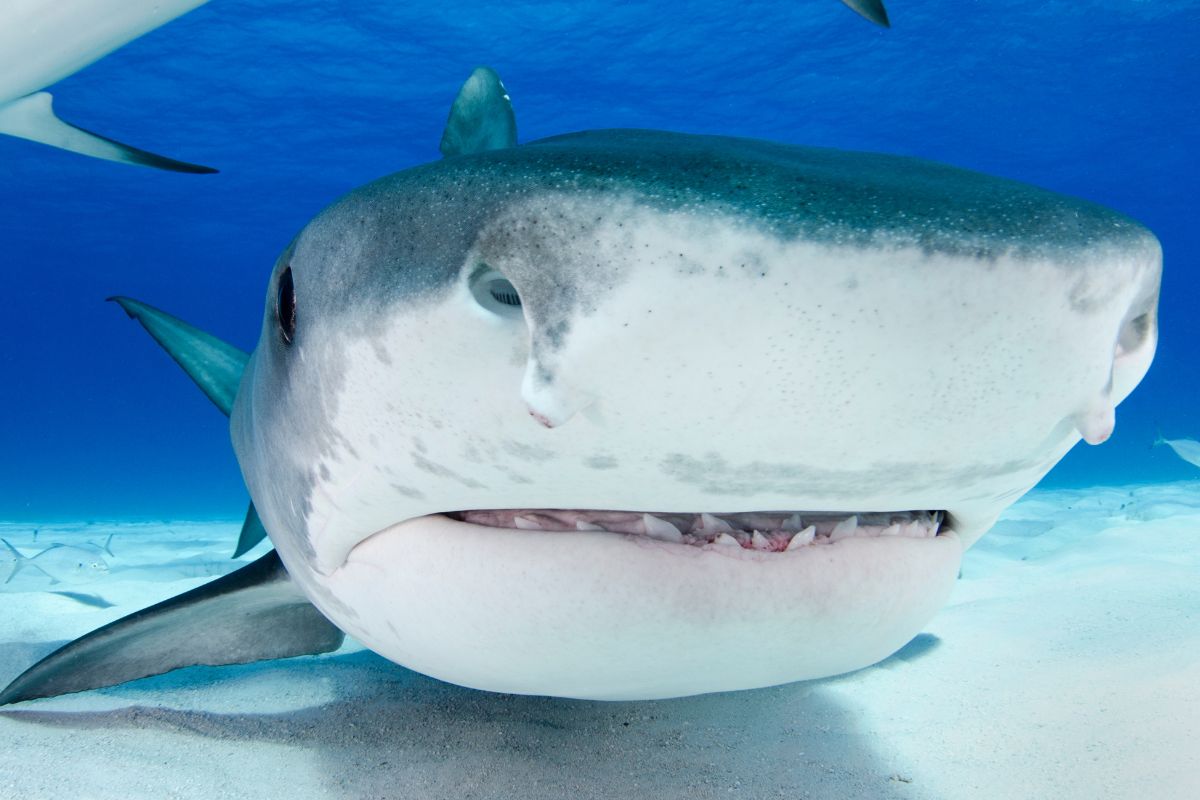
Sharks in Reunion Island: understanding their presence around the island
Why the west coast, which species are involved, where you can swim without risk, what CapRequins and CHARC actually do. A factual reference page on a topic that has stirred the island for over a decade.
Why sharks are found on the west coast
Since 2011, Reunion Island has seen a series of shark attacks, mainly affecting surfers and open-water swimmers along the west coast. This concentration of incidents pushed the topic from a local news item to a media-labelled ‘shark crisis’, triggering a series of measures by the prefecture (the French statetriggering a series of prefectural, scientific and local measures toapos;s local authority), scientists and local councils to understand and limit the phenomenon.
The two species mainly involved are the bull shark and the tiger shark, both coastal predators found throughout tropical waters. Most sea users (surfers, swimmers outside the lagoon, divers) are concentrated on the west coast, in waters that remain hospitable to both species. The east coast, less populated and more exposed to the trade winds, isn't affected to the same degree.
The issue in six figures
Reunion Island has around fifty recorded shark species in total, but only two are regularly involved in incidents with humans. Public programmes work alongside swimming bans to reduce the risk without giving up on using the sea.
- Species recorded in Reunion Island≈ 50
- Species protected by prefectural order5 (reef species)
- Species targeted by CapRequinsTiger + bull shark
- Beaches with netsBoucan-Canot + Roches Noires
- Reference scientific studyCHARC programme (2011-2015)
- Monitoring networkCentre Sécurité Requin (CSR)
Reunion Island's reef sharks, protected by prefectural order
Six shark species found on Reunion Island's reefs are listed on the IUCN Red List and protected by prefectural order. Fishing, keeping on board, transferring between vessels, landing, storing and selling any part of these species is strictly prohibited.
| Species | Scientific name | IUCN status |
|---|---|---|
| Silvertip shark | Carcharhinus albimarginatus | VU · Vulnerable |
| Grey reef shark ('dagsit') | Carcharhinus amblyrhynchos | NT · Near Threatened |
| Whitetip reef shark | Triaenodon obesus | NT · Near Threatened |
| Blacktip reef shark | Carcharhinus melanopterus | NT · Near Threatened |
| Tawny nurse shark | Nebrius ferrugineus | VU · Vulnerable |
| Scalloped hammerhead shark | Sphyrna lewini | CR · Critically Endangered |
IUCN key: CR Critically Endangered, VU Vulnerable, NTNear Threatened. These reef species aren't involved in attacks. The problem species are the tiger shark and the bull shark, which aren't protected and are the focus of the CapRequins programme.
CapRequins and CHARC, two key programmes
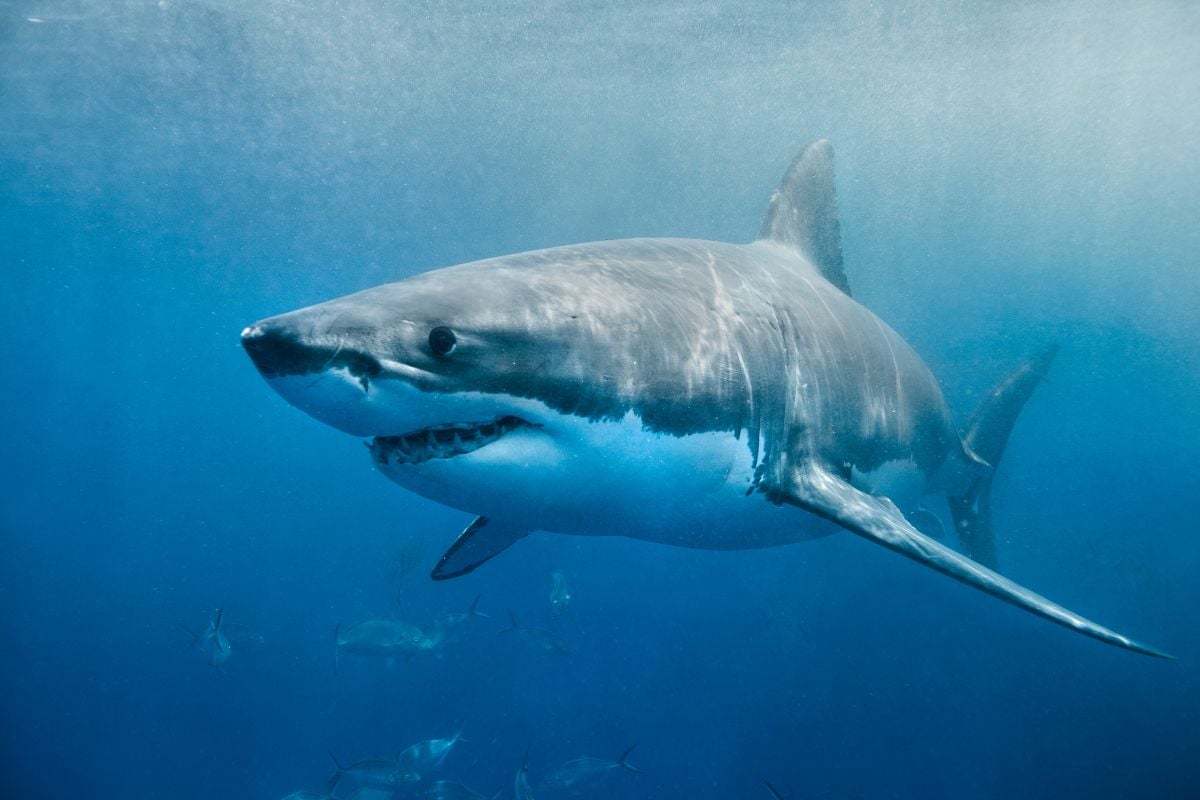
The CapRequins programme combines targeted fishing of tiger and bull sharks near sensitive spots, acoustic tagging of released individuals, and ongoing tracking of their movements. It's funded by local authorities and the French state, and remains a regular subject of debate between a safety-first approach and ecosystem preservation.
The CHARC programme (Connaissance de l'Habitat des Requins Côtiers de La Réunion), run between 2011 and 2015 by Ifremer, mapped out where the two problem species are present and how they behave. CHARC's findings remain a reference today for prefectural orders and decisions on where to install protective measures.
Alongside these two programmes are the protective nets at Boucan-Canot and Roches Noires beaches, shark lookout posts at supervised surf spots (Saint-Leu, Saint-Pierre), and the prefectural orders that set out the conditions for swimming and water sports in open water.
Six habits that reduce the risk
- Swim in the lagoon only, or at beaches with nets and a lookout in place (Boucan-Canot, Roches Noires).
- Don't swim after heavy rain, which fills coastal waters with debris and draws bull sharks close to river mouths.
- Avoid murky water, dusk and dawn, the prime hunting times for both species.
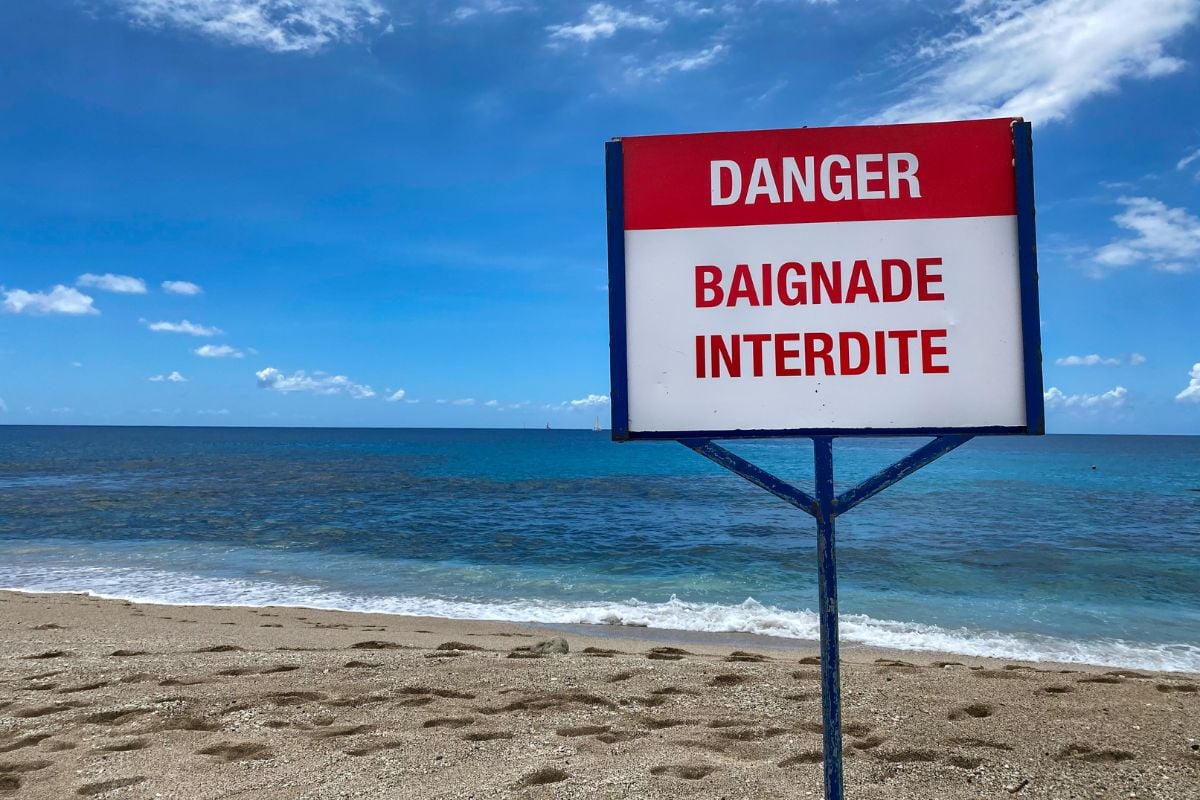
- Follow the prefectural orders, which ban swimming and water sports at certain open-water sites. On-site signage is kept up to date and takes precedence.
- Surf and bodyboard only at secured spots, with an active shark lookout in place. Check with local surf schools before getting in the water.
- No fish or bleeding wounds in the water. No spearfishing while swimmers are present.
The most common questions
Why is there a 'shark crisis' in Reunion Island?
Which shark species are involved in the attacks?
Can you swim safely in Reunion Island?
What are the CapRequins and CHARC programmes?
Why the west coast rather than the east coast?
Can you still surf in Reunion Island?
Keep reading
- → Reunion Island's coral reef: the island's most important protected area, and the ecosystem that keeps the lagoon safe.
- → Where to swim with turtles: 6 spots in the lagoon, with no shark risk.
- → Snorkelling trip: a guided trip in Saint-Paul bay, in an authorised swimming zone.
- → All the news from Reunion Island.