Level 01
General protection
The baseline across the Reserve: fishing is regulated by species and gear, anchoring is banned except on eco-moorings, and littering is strictly prohibited. This applies to most of the 3,500 hectares.
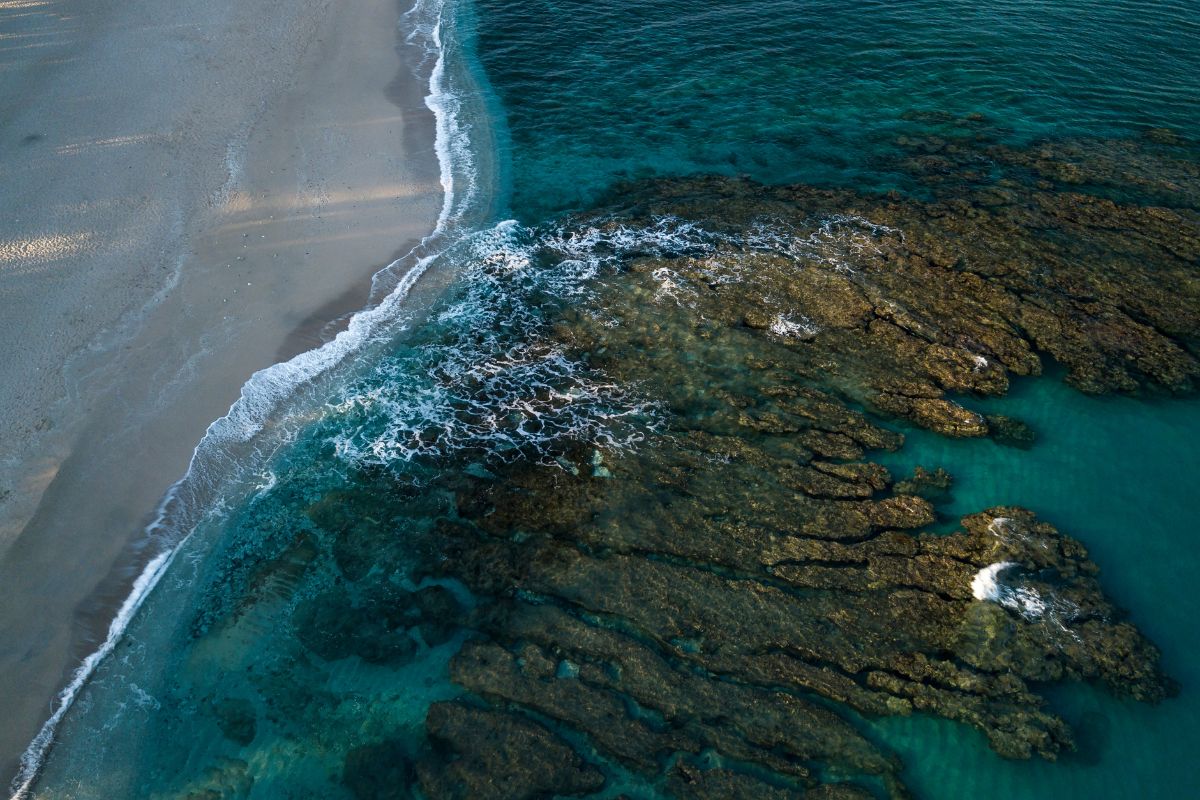
Along Reunion Island's west coast, twenty kilometres of coral reef shelter the island's only lagoon, protected since 2007 by a Marine Nature Reserve with five no-take sanctuary zones. Here's what to know before you wade in.
Without the reef, there's no lagoon. Over tens of thousands of years, corals built a limestone wall along the west coast. It breaks the ocean swell before it reaches the beach, leaving a shallow, calm stretch of turquoise water behind it: the lagoon. That's why children can paddle at L'Ermitage while the open sea pounds the reef 200 metres away.
The reef only extends along the west and south-west coasts, from Cap La Houssaye to Roche des Oiseaux. It never took hold in the north, east or south, where the swell, water temperature and clarity weren't right. So it's modest in scale (just twenty kilometres, against 2,300 for Australia's Great Barrier Reef) but irreplaceable for the island.
Official source (in French): La Réserve Naturelle Marine de La Réunion.
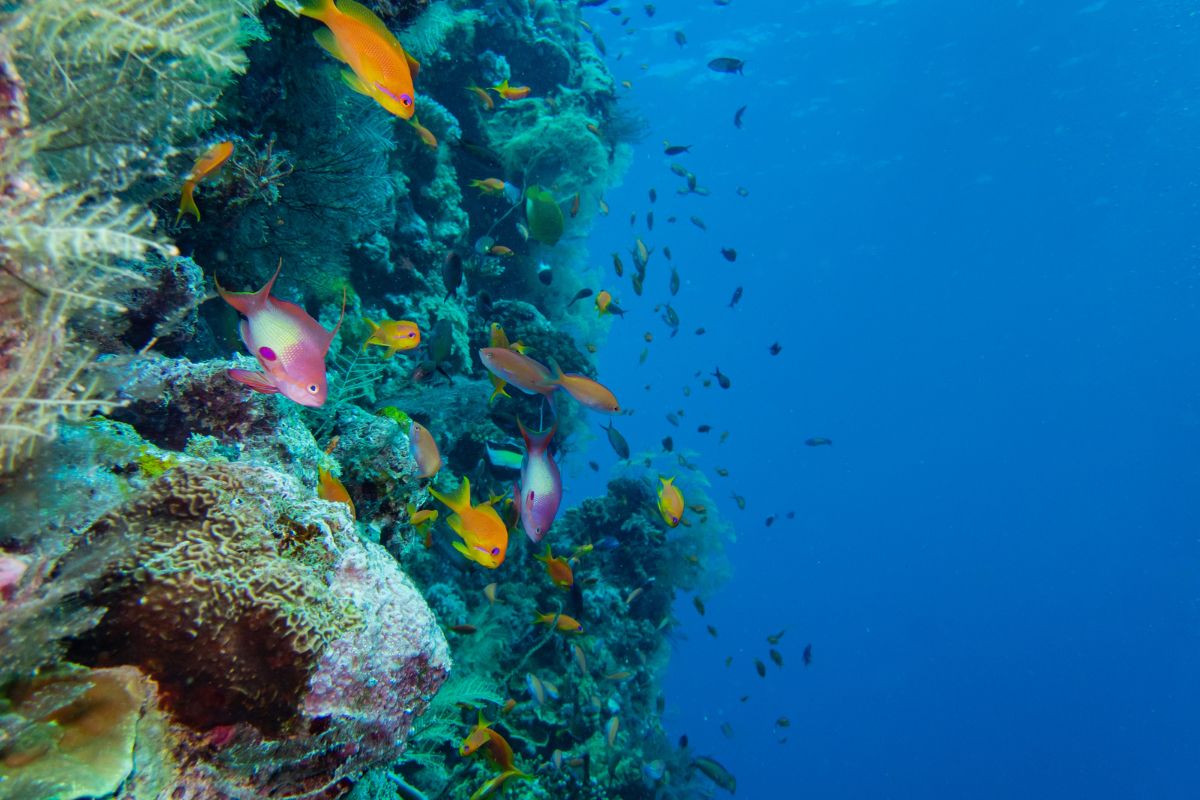
Created in 2007, the Marine Nature Reserve covers the whole reef along the west and south-west coasts. It's managed by the GIP Réserve Marine, a public body overseen by the French state, working with the five coastal towns and Reunion Island's National Park.
The rules aren't the same everywhere. There are three levels, from the most relaxed (general protection) to the strictest (full protection, in the sanctuary zones). Check which applies where you're putting your fins in the water to avoid an unpleasant surprise.
The baseline across the Reserve: fishing is regulated by species and gear, anchoring is banned except on eco-moorings, and littering is strictly prohibited. This applies to most of the 3,500 hectares.
Tighter limits on recreational fishing and a ban on some commercial fishing techniques, while swimming, snorkelling and diving remain open to all. It protects sensitive stretches of reef without closing them to the public.
Five sanctuary (no-take) zones where all fishing, collecting, anchoring and motorised leisure activities are banned. Diving and snorkelling are still allowed under strict rules, and this is where marine life is at its richest.
Five hotspots get full protection, the strictest level. All fishing, collecting and motorised activity is banned. Diving and snorkelling are still allowed, as long as you behave responsibly.
| # | Site | Town | Type | Worth knowing |
|---|---|---|---|---|
| 01 | L'Ermitage North Lagoon | Saint-Paul | Lagoon | One of the island's richest zones, a spot to see green turtles right off the beach. |
| 02 | L'Ermitage South Lagoon | Saint-Paul | Lagoon | A breeding and nursery ground for many coastal species, with visitor numbers closely monitored. |
| 03 | Pointe des Châteaux | Saint-Leu | Point | A well-known dive site, with an outer reef sheltered from the prevailing swell. |
| 04 | Saint-Leu Lagoon | Saint-Leu | Lagoon | A whale and dolphin migration corridor in season, a reef reachable without a boat. |
| 05 | L'Étang-Salé Lagoon | L'Étang-Salé | Lagoon | The Reserve's southern limit, a stark contrast with the beach's black volcanic sand. |
The reef is more than a postcard backdrop. It faces a build-up of pressures that threaten its long-term survival, many of them from well beyond the Marine Reserve's boundaries.
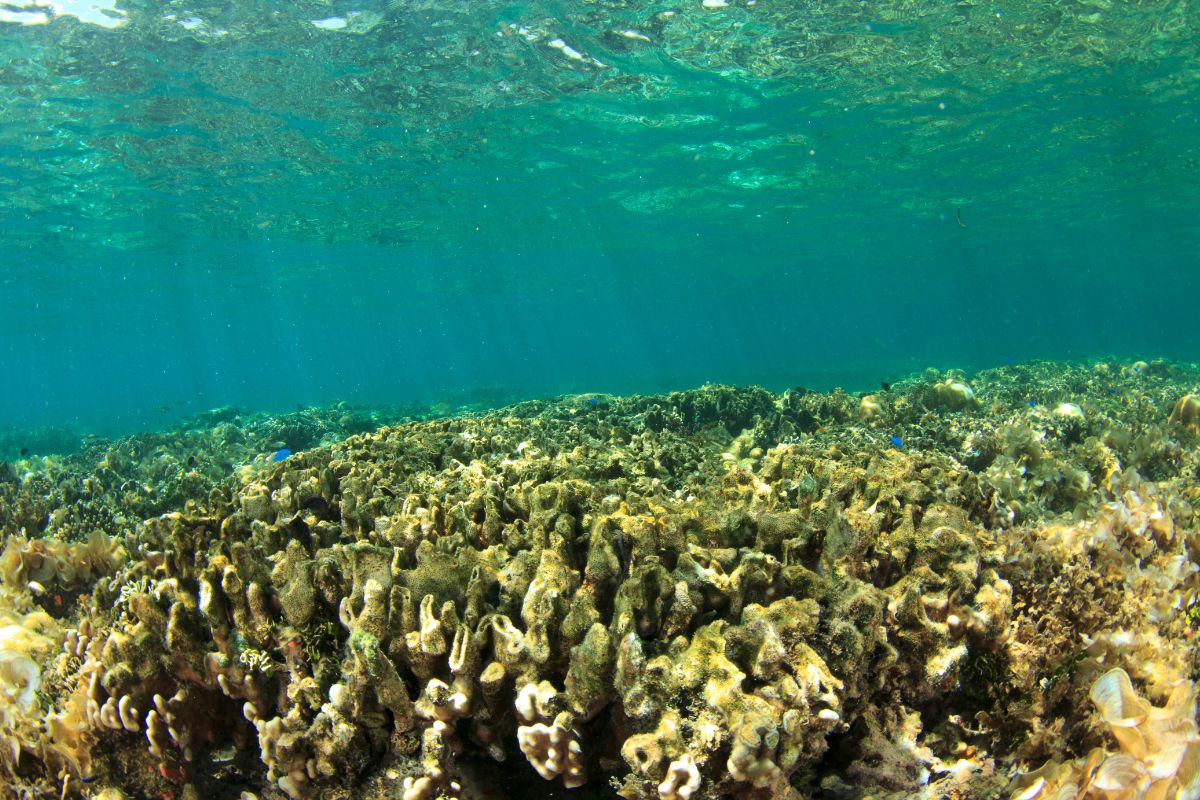
A shallow reef flat. Just walking on it at low tide can break the fragile limestone.
Whatever your ability: snorkelling, a transparent kayak over the reef flat or a first scuba dive. All the trips below are run by operators who follow the Reserve's rules.
A guided snorkelling trip from Saint-Paul bay. Ideal for beginners, with fins and a safety briefing provided.
See the excursion Family
Glide over the reef flat without getting wet: the best option with young children or non-swimmers. From €5.
See the outing The top pick
Your first dive, with a state-qualified instructor, on the reef's outer slope. All equipment provided.
See the first dive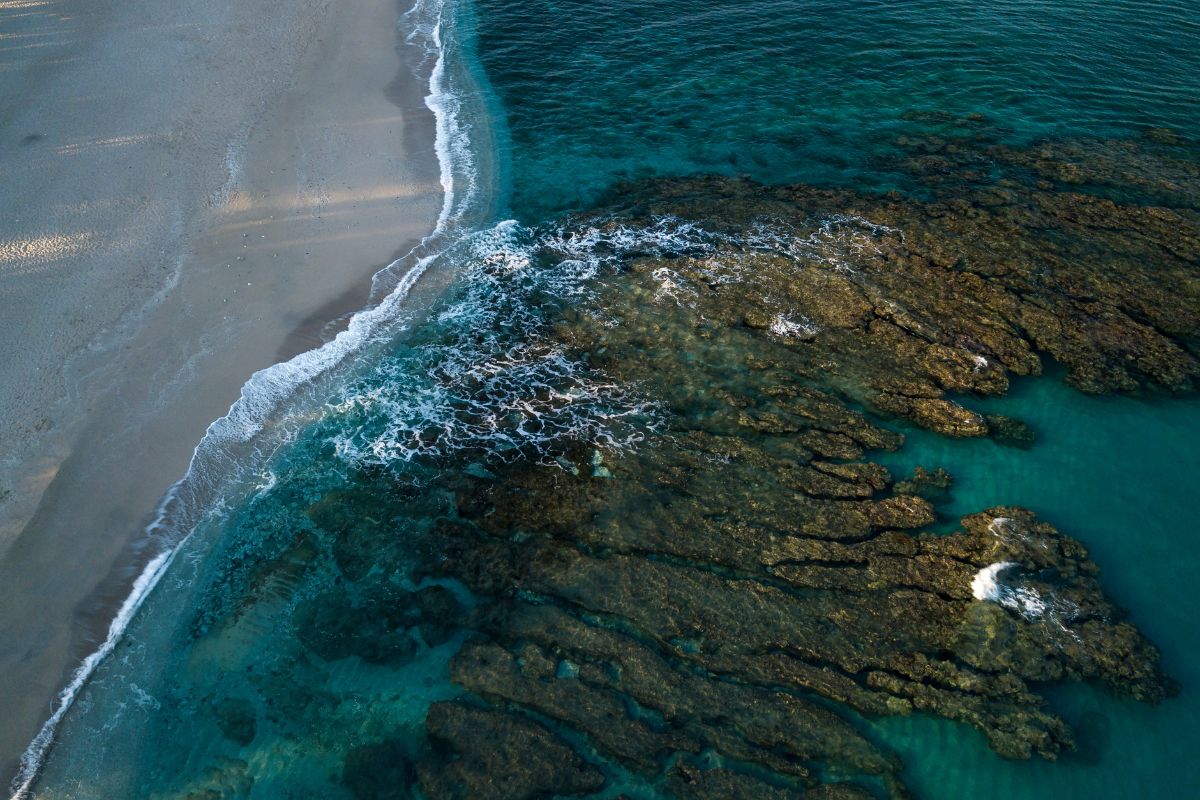
From Saint-Paul to L'Étang-Salé, a campervan is the best way to take your time at each reef spot. Wake up on La Saline's lagoon, snorkel at L'Ermitage, dive at Saint-Leu, watch the sunset at Étang-Salé. All within 25km of coastline.
See campervans for hire