01
Raw, in slices
This is the way that does the Victoria justice. Peel it, removing the eyes, then slice into centimetre-thick rounds. No dipping sauce or sugar needed, unlike an industrial pineapple.
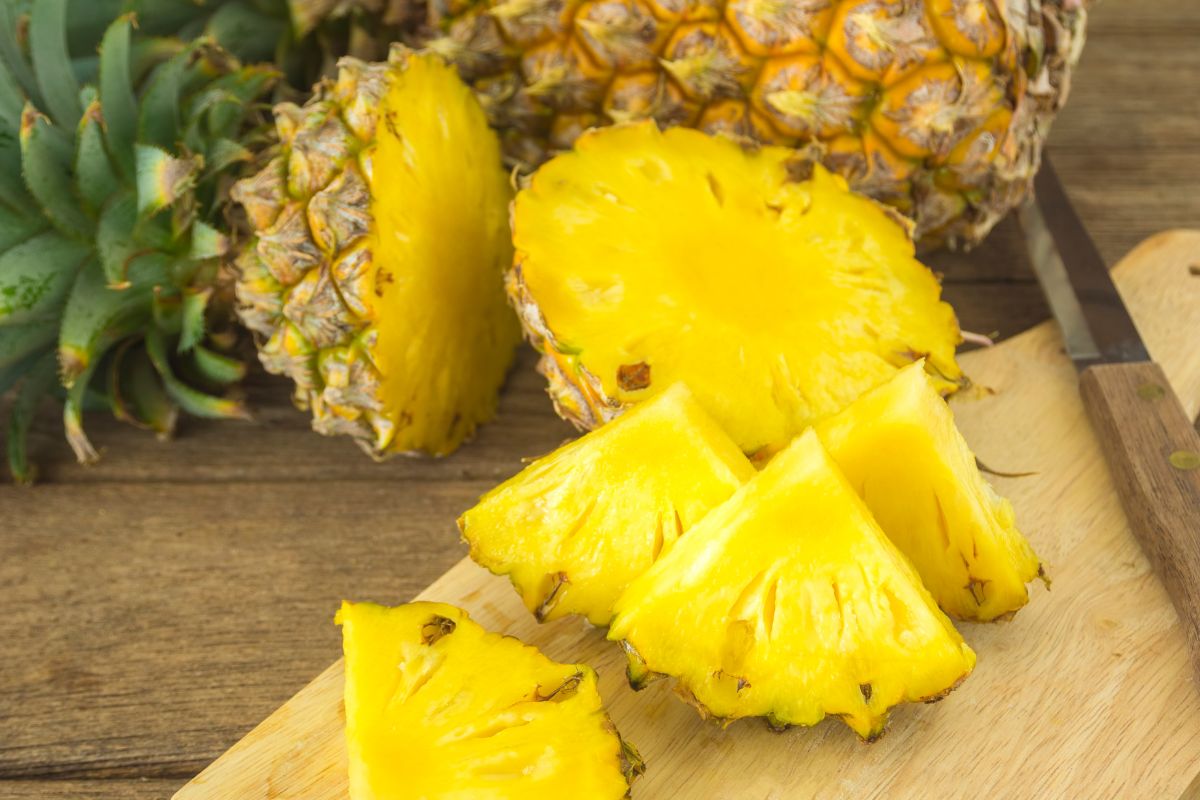
Small, golden, meltingly soft, as sweet as a fully ripe lychee, Reunion Island's Victoria pineapple shakes up the global pecking order. Here's the story of the industry, how it's grown, where to see it in the field and how to enjoy it.
The Victoria pineapple is the dwarf, more aromatic version of the pineapple you know from the supermarket. The Queen Victoria variety rarely weighs more than a kilo, with deep yellow flesh and an almost meltingly soft core. In Reunion Island, it has been grown since the 19th century, mainly in the south around Tampon and Saint-Pierre, but also in the east and west, on well-drained volcanic soil.
What makes all the difference is the temperature swing: cool nights at altitude, warm days at the edge of the plantation, constant sunshine. That swing pushes the fruit to concentrate its sugars and develop aromas that industrial varieties like MD-2 or Smooth Cayenne never reach. The industry is supported by the Department of Reunion Island through a development assistance scheme, and several growers are working towards recognition as a Protected Geographical Indication.
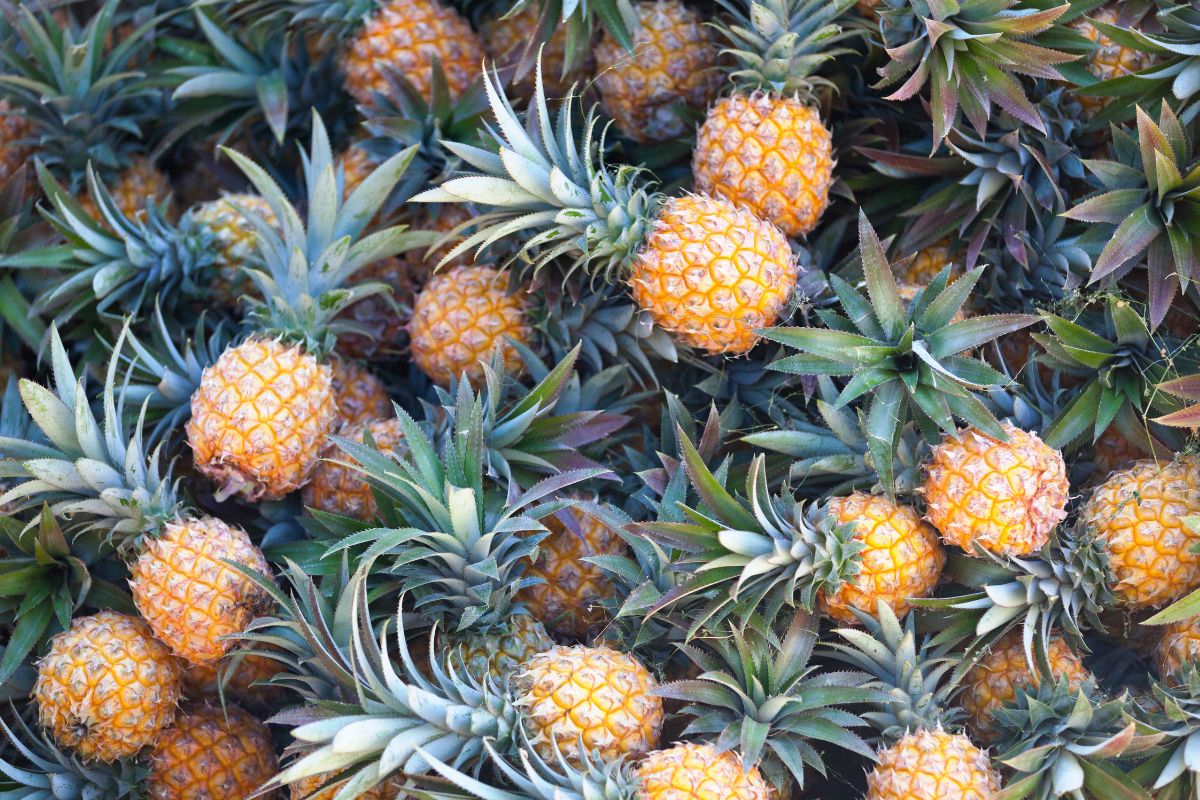
Compared with an industrial pineapple, the Victoria is smaller, sweeter and more fragrant. The harvest is spread across the year with a peak at the end of the hot season, making it an almost permanent fixture on Reunion Island's market stalls.
To really understand how a pineapple grows, you need to see the rows planted in open ground, plant by plant, fruit by fruit. The Maison de l'Ananas in Tampon is the most complete visit: an explanation of the variety, a walk through the plantation, a tasting at the end. It's also an excellent stop on the way to the volcano, pairing well with Cité du Volcan in Bourg-Murat.
Other growers open their fields in season, in the south (Saint-Joseph, Saint-Philippe) and in the east (Bras-Panon, Saint-Benoît). For these often less formal visits, it's best to call ahead before heading out, especially between January and March when production slows down.
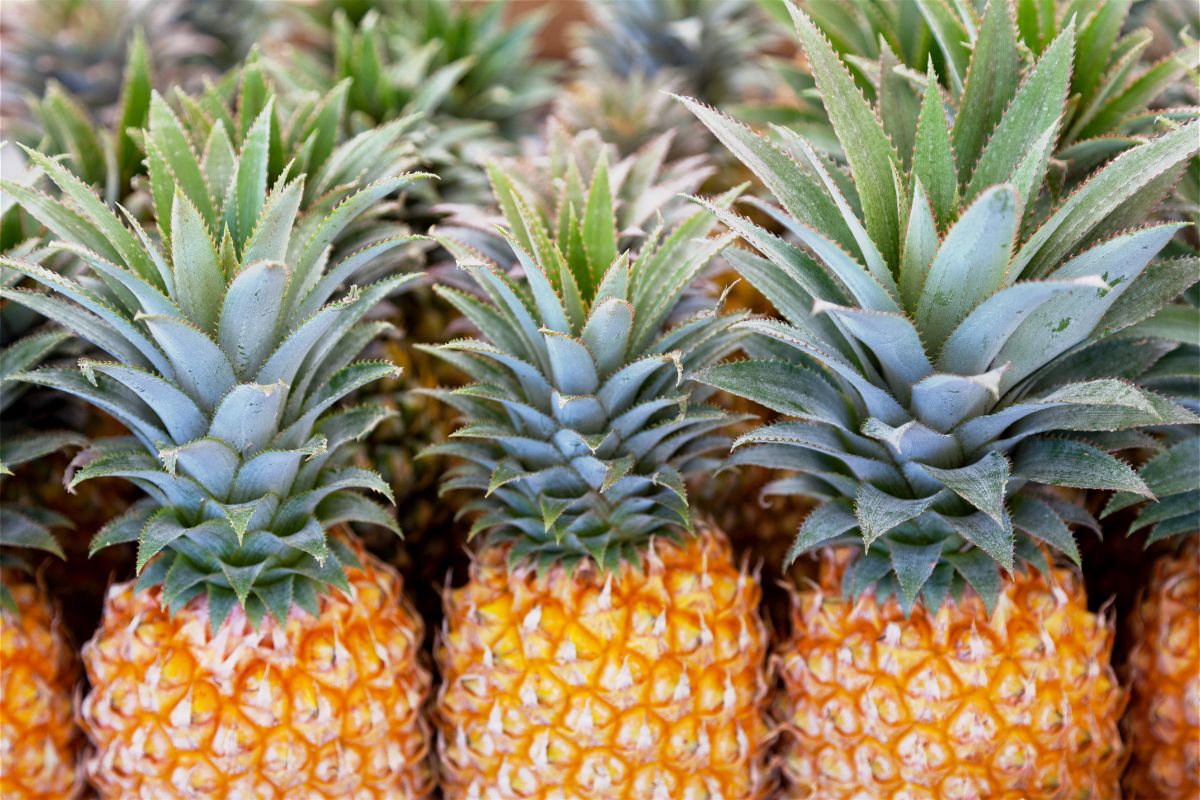
Three classic ways to enjoy it locally, and three tips for bringing a fruit home without ending up with an unripe pineapple.
This is the way that does the Victoria justice. Peel it, removing the eyes, then slice into centimetre-thick rounds. No dipping sauce or sugar needed, unlike an industrial pineapple.
Slice it very thin, spread on a chilled plate, and sprinkle with grated Bourbon vanilla and a dash of lime juice. The sugar-vanilla-acidity contrast works wonders as a light dessert.
Victoria cubes, a vanilla pod, brown sugar, local white rum. At least three weeks of infusion. The result is one of the classics of Reunion Island rhum arrangé, rounder than a lychee-rum version.