Mistakes to avoid in Reunion Island: the 7 most common
Seven mistakes come up again and again among travellers who come home disappointed with their trip to Reunion Island: no hire car, underestimated drive times, too short a stay, the wrong clothes for such varied weather, over-planning, swimming outside authorised areas and not respecting the island. Here's each mistake in detail, and how to avoid it.
7 mistakes identified14 days minimum recommended+30% on sat-nav times5 microclimates to prepare for
At a glance
Reunion Island trip essentials in 8 points
Recommended minimum stay
10 to 14 days, ideally 3 weeks
Getting around
A hire car is essential
Drive times
Winding roads, add 30% to the GPS
Areas to mix
West, south, east, highlands, cirques
Climate
5 microclimates: pack a fleece and rain gear
Cyclone season
November to April, keep an eye on alerts
Sea swimming
Lagoons and supervised areas only
UNESCO status
40% of the island under protection
Reunion Island is an intense destination, but also a complex one. Its varied climate, geography and culture call for proper preparation if you want to avoid the most common disappointments. The seven mistakes below are the ones that come up most often in traveller feedback, on travel forums and in conversations with locals. Avoid them and you'll spend 90% of your time enjoying the trip rather than dealing with avoidable surprises. This page covers the seven mistakes, how to avoid them, and six extra practical tips. The first of them, setting off without a car, is easy to fix: reserve your car online as soon as your flights are confirmed.
7 mistakes to avoid
The 7 mistakes that ruin a trip to Reunion Island
Getting around, planning, itinerary, pace, length of stay, packing and respect: seven classic pitfalls and how to sidestep them before you leave.
Mistake 1
Travelling without a hire car
Type: Getting around
The Car Jaune bus network serves the main towns but not the mountain trails, the viewpoints or most of the beaches, waterfalls and activities. Without a car, you're tied to the main roads and the bus timetable. A hire car is essential for exploring the Cilaos and Salazie cirques, the Maïdo viewpoint, the volcano road, the wild south and the Salazie waterfalls. Book well ahead in high season (July-August), as rental firms get booked up fast.
How to avoid it: Book a car to pick up when you land at Roland Garros or Pierrefonds airport, in a size that copes with hairpin bends
Mistake 2
Underestimating travel times
Type: Planning
Reunion Island's roads are winding and narrow, and some stretches are exposed to cyclones and close regularly. Sat-navs give optimistic times that don't allow for tiring hairpin bends, traffic around Saint-Denis or Saint-Pierre, or holiday-season hold-ups. Always add 30% to the estimate. The road of 400 bends up to Cilaos takes 1h30 from Saint-Louis. Driving right round the island takes 4h30 non-stop, or 6h with a few photo stops.
How to avoid it: Add 30% to the sat-nav time and limit yourself to 2 drives a day, ideally in the morning
Mistake 3
Visiting only one region of the island
Type: Itinerary
Reunion Island packs an exceptional variety of landscapes into 2,500km². If you only see the west coast and its beaches, you miss the volcano, the cirques, the forested highlands and the wild south coast. Each region has its own character: the west for the lagoon and relaxing, the south for the volcano and lava flows, the east for waterfalls and lush vegetation, the north for the capital and its culture, the highlands for hiking at altitude. A great trip mixes them up, ideally with a change of base halfway through.
How to avoid it: Split your stay between two bases: the west for the first half, the south or the highlands for the second
Mistake 4
Over-planning your days with no slack
Type: Pace
With so much to do, it's tempting to cram every day. That's a mistake: the weather changes fast, road delays add up and after 2 days of hiking at altitude you'll feel it. The best trips leave half a day free for the unexpected: an impromptu swim or a local market you stumble upon. Keeping one completely free day a week is a good way to absorb bad weather or tiredness.
How to avoid it: Plan A in the morning, a plan B for bad weather, and a free afternoon at the beach
Mistake 5
Choosing too short a trip
Type: Length of stay
A 7-day trip to Reunion Island is frustrating. What with getting over jet lag, picking up the car and settling in, the first week flies by. 10 days is the minimum to see the main sights without rushing. 14 days lets you explore properly from two bases. 3 weeks is ideal for getting to know the west and the highlands in depth, hiking in Mafate, maybe catching the volcano erupting and taking your time at the markets and waterfalls. Flights are expensive, so make the most of them.
How to avoid it: Allow at least 14 days, ideally 21 for a first trip
Mistake 6
Packing the wrong suitcase
Type: Packing
Reunion Island has 5 microclimates: a hot, dry west coast, a humid east coast, cold highlands (below 0°C in June-August on Piton des Neiges), a cool, windy volcano and mild cirques. A "tropical" suitcase with just shorts and flip-flops will leave you shivering on your first hike or your first sunrise at Maïdo. Pack a fleece, a packable down jacket, a light waterproof, walking boots, a beanie and gloves for the highlands in the southern winter. And of course swimwear, a cap and flip-flops for the lagoon.
How to avoid it: Use the packing guide so you don't forget anything, and bring a fleece and rain gear even in the southern summer
Mistake 7
Not respecting the environment and local culture
Type: Behaviour
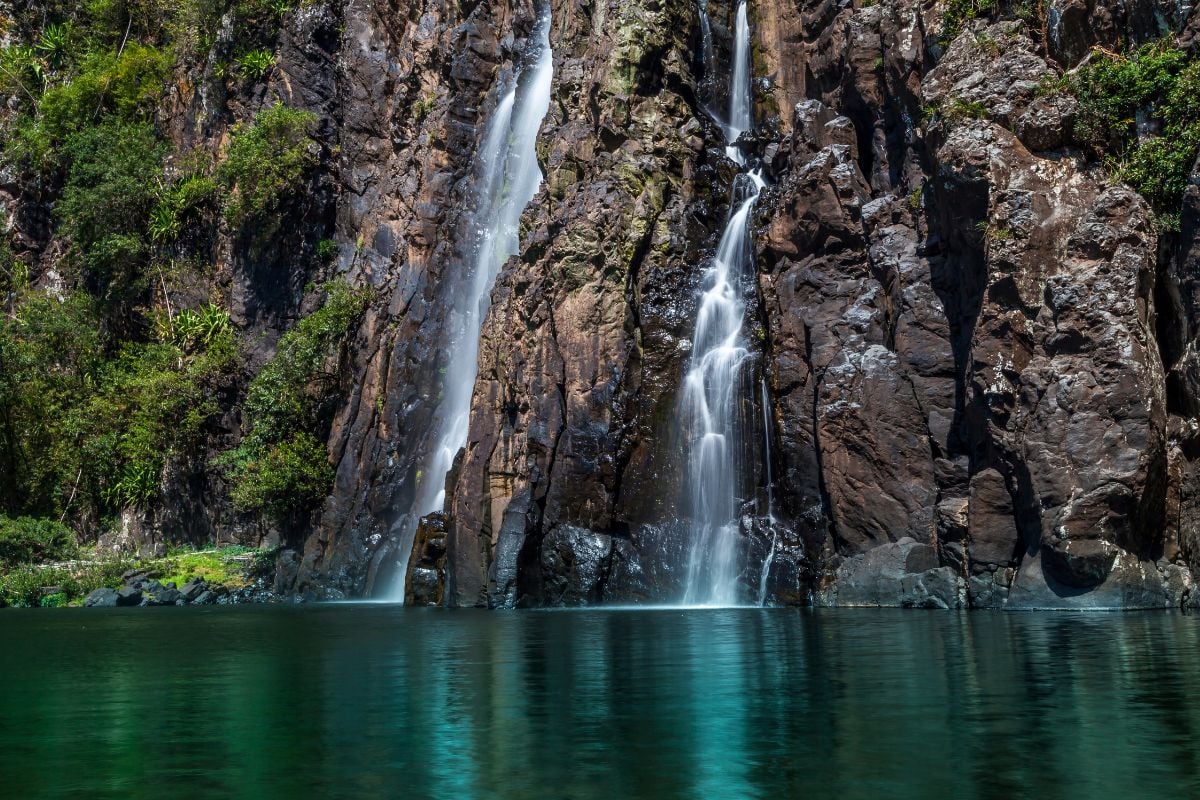
40% of Reunion Island is UNESCO-listed, and it's home to more than 3,500 marine species and rare endemic wildlife (the Reunion cuckooshrike, the Reunion harrier, green turtles). Careless behaviour does real damage: don't touch the coral in the lagoon, don't stand on the reef flat at low tide, don't pick flowers or fruit along the trails, and take all your rubbish away with you (including toilet paper when camping). Culturally, locals don't appreciate visitors who photograph people without asking, talk loudly on public transport or haggle aggressively over crafts.
How to avoid it: Use reef-safe sunscreen without oxybenzone, ask before photographing people and stick to marked trails
Practical tips
Six more tips
Timing, swimming, mountain weather, accommodation, safe activities and the local pace: six points to check alongside the seven main mistakes.
Choosing the right time of year
The dry season runs from May to October: the clearest weather, blue skies on the west coast, with mist rolling into the highlands around 10am. The rainy season runs from November to April, with heavy rain, especially in the east and at Salazie, and cyclone alerts to watch for. July-August is the peak tourist season, with higher prices and the need to book ahead. April-May and September-October are the most settled periods, with moderate crowds. January and February are the months with the highest cyclone risk.
Not swimming in the open sea
Since 2013, a prefectural order has banned swimming in the open sea outside the lagoons and designated areas, because of the shark risk. Authorised swimming areas: the Hermitage lagoon, La Saline-les-Bains, Trou d'Eau, the Boucan Canot pool and the supervised areas at Saint-Pierre and Étang-Salé. Surfing, bodyboarding and kitesurfing are still allowed in supervised areas (check with the local club). Follow the signs strictly: checks are frequent in high season.
Not underestimating mountain weather
Piton des Neiges drops to -5°C at night in the southern winter, with gusts of up to 60km/h. Camping without a three-season tent and a sleeping bag rated to -5°C is dangerous. Mountain hiking calls for full gear, a head torch, water and snacks. Always check Météo-France the day before, and don't hesitate to postpone if there's an orange alert. Trails get slippery after a shower, so take care on the way down late in the day.
Booking accommodation ahead
In high season (July-August, Reunion Island school holidays, December-January), book the most popular hotels, gîtes (mountain lodges and holiday cottages) and guesthouses 2 to 3 months ahead. For the Caverne Dufour hut on Piton des Neiges, book several weeks ahead, and at least a month ahead for gîtes in Mafate. In low season, 1 to 2 weeks is enough. Holiday rentals on platforms like Airbnb also fill up fast, especially on the west coast.
Choosing properly supervised activities
Outdoor activities in Reunion Island (canyoning, paragliding, diving, mountain hiking) need qualified instructors. Check the instructor's qualification (a French BE or DE diploma depending on the sport), that they have public liability insurance and that the gear is recent. Several reputable operators work from Saint-Gilles, Cilaos and Salazie. Avoid suspiciously cheap offers without professional instructors: paying for safety is always worth it.
Respecting the local pace
Reunion Island is a French overseas department with its own rhythm: shops closed on Sundays, slower public services during cyclone season, school holidays that differ from mainland France. The "péi" (local) way of life is more relaxed, and locals appreciate visitors who go with the flow. Creole is spoken alongside French, and a few words (hello is still "bonjour", thank you is "mersi") raise a smile and get conversations going.
Getting around
Rent a campervan for more flexibility
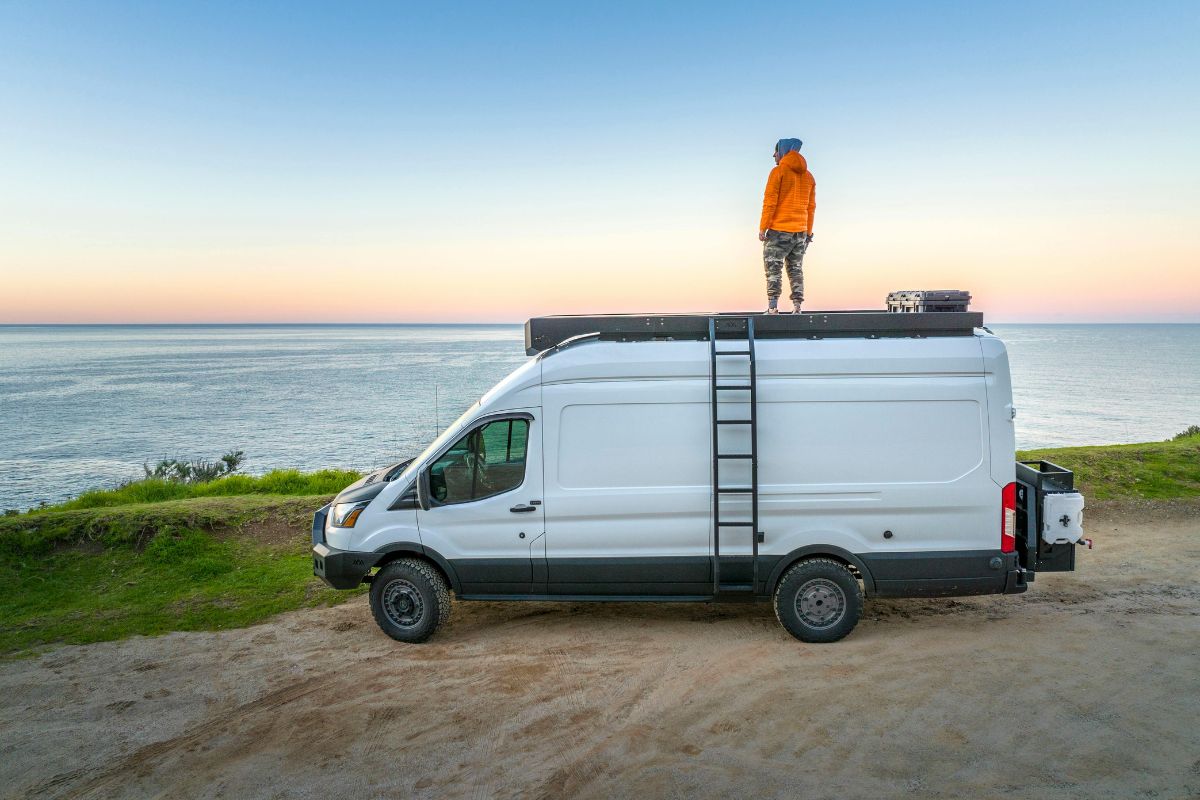
If you want to avoid over-planning and change base whenever you like, a campervan is the most flexible option: a fitted kitchen, a bed on board and overnight parking tolerated in a few forest areas. Yescapa puts local owners in touch with travellers.
See the whole island in a 55-minute helicopter flight
If you don't want to see only one part of the island, the full helicopter tour of the island is the most efficient option: 55 minutes from Pierrefonds or Saint-Gilles over the cirques, the volcano, the waterfalls and the lagoons. 4 companies, 6 flights from €190 per person. Ideal early in your trip to pick the areas you want to explore on the ground.
Campervan hire, airport transfers, chauffeured trips to the volcano, Cilaos and Maïdo-Mafate, and a helicopter flight: 6 ways to get around the island without the usual headaches.
Seven mistakes come up again and again: travelling without a hire car, underestimating drive times, visiting only one part of the island, over-planning with no free time, staying too short a time, packing the wrong clothes for such varied weather, and not respecting the environment and local culture. This page explains each one and how to avoid it.
How long do you need to visit Reunion Island?
10 days is the minimum to see the main sights without rushing. 14 days lets you explore properly from two bases, one in the west and one in the highlands or the south. 3 weeks is ideal for a first trip, combining the lagoon, the cirques, the volcano and hiking in Mafate. A 7-day trip is frustrating given the time lost travelling and settling in.
Do you need to hire a car in Reunion Island?
Yes, a hire car is essential. The Car Jaune bus network serves the main towns but not the trails, viewpoints, waterfalls or most outdoor activities. Book ahead, especially in high season (July-August). Car hire desks are at Roland Garros airport in the north and Pierrefonds in the south. Go for a mid-size car for the hairpin bends, and a manual gearbox for the steep hills.
How long does it take to drive around Reunion Island?
Saint-Denis to Saint-Pierre: 1h30 in good conditions, 2h30 at rush hour. Saint-Denis to Cilaos: 2h via Saint-Louis. Saint-Pierre to Saint-Benoît via the south: 1h45. A full loop of the island: 4h30 non-stop, 6h with photo stops. The road of 400 bends to Cilaos takes 1h30 from Saint-Louis. Always add 30% to sat-nav times, especially in the peak tourist season.
What's the cyclone risk in Reunion Island?
The cyclone season runs from November to April, peaking in January-February. On average, 1 to 3 tropical cyclones pass through Reunion Island's waters each year, with 0 or 1 of them triggering a red alert. Météo-France monitors the situation and alerts are broadcast everywhere (radio, TV, apps). Buildings are designed to withstand cyclones, and shops close temporarily during a red alert. Travel insurance that covers cyclones is recommended.
Can you swim in the sea in Reunion Island?
Since 2013, a prefectural order has banned swimming in the open sea outside the coral lagoons and designated areas. Authorised areas: the Hermitage lagoon, La Saline-les-Bains, Trou d'Eau, the Boucan Canot pool and the supervised areas at Saint-Pierre and Étang-Salé. The risk comes from bull sharks and tiger sharks. Follow the signs and flags strictly: checks are frequent. Surfing and kitesurfing are still allowed in supervised areas through local clubs.
What should you pack for Reunion Island?
For the west coast and the lagoon: swimwear, a cap, flip-flops and reef-safe sunscreen. For the highlands and summits: a fleece, a packable down jacket, a light waterproof, worn-in walking boots, and a beanie and gloves in the southern winter. For hiking: a 30L rucksack, poles, a head torch and a 1.5L water bottle. For everyday wear: light, breathable clothes, plus long trousers for cooler evenings in the highlands. See the full packing guide.
Which parts of Reunion Island should you visit?
Each region has its own character. West coast: the lagoon, beaches, Saint-Gilles, Saint-Leu, seafront restaurants. South coast: the volcano, the wild south, Saint-Pierre and its street market. East coast: waterfalls, vanilla plantations, Sainte-Suzanne. North: Saint-Denis and its Creole culture. Highlands: Maïdo and its viewpoints, high-altitude hiking. Cirques: Cilaos by road, Mafate on foot, rainy and green Salazie. A great trip mixes them up, with a change of base halfway through.
How important is it to respect the environment in Reunion Island?
Very: 40% of the island is protected by the National Park, UNESCO-listed since 2010. Key rules: don't touch the coral in the lagoon, don't stand on the reef, don't pick flowers or fruit along the trails, and take all your rubbish away with you (including toilet paper when camping). Reef-safe sunscreen without oxybenzone or octinoxate is strongly recommended for snorkelling. Following these rules helps preserve the island for future generations.
Do you need a guide for activities in Reunion Island?
It depends on the activity. On waymarked trails in the cirques or well-known routes, you can go on your own if you're well prepared. For canyoning, paragliding, diving and a first climb of Piton des Neiges, a qualified guide is recommended. Check the instructor's qualification, that they have public liability insurance and that the gear is recent. Several reputable operators work from Saint-Gilles, Cilaos and Salazie.
What's the best time of year to visit Reunion Island?
The dry season, from May to October, has the clearest skies, ideal for hiking and sunrises at Maïdo and on Piton des Neiges. April-May and September-October are the most settled periods, with moderate crowds. July-August is the peak season, with higher prices and the need to book ahead. The rainy season, from November to April, brings heavy rain, especially in the east and at Salazie, and cyclone alerts to watch for, with the highest risk in January-February.
Which activities should you prioritise on a first trip?
Over 14 days: climbing Piton de la Fournaise or viewing it from Pas de Bellecombe, sunrise at Maïdo overlooking Mafate, swimming in the Hermitage lagoon, clear kayaking at Trou d'Eau, the street market in Saint-Paul or Saint-Pierre, the Voile de la Mariée waterfall at Salazie, and at least 2 days hiking in Mafate with a night in a gîte. Add a Creole cooking class, a rum tasting and a helicopter flight for the highlights.