Size and population
Mauritius
2,040 km², about 1.3 million residents. More densely populated than Reunion Island.
Reunion Island
2,512 km², about 870,000 residents. Bigger but less densely populated.
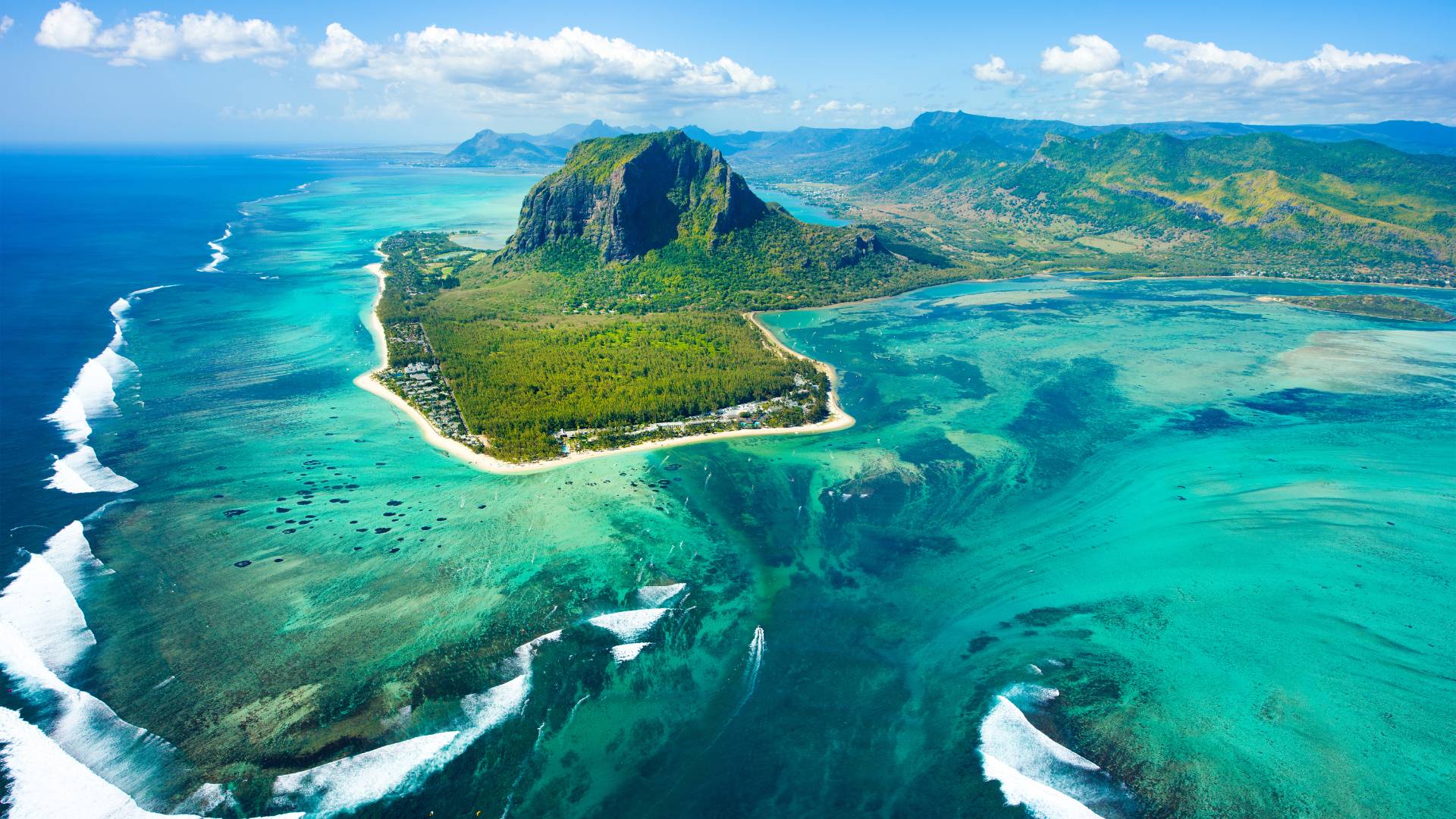
Two islands in the Indian Ocean, 170 km apart and just 45 minutes by plane, yet two completely different holidays. Mauritius is lagoons, resorts and an easy English-speaking welcome. Reunion Island, a French department, is volcanoes, cirques and the finest hiking in the Indian Ocean. Here's how to pick, or how to do both.
Mauritius is the beach and lagoon choice (an almost continuous coral ring, resort hotels, a luxury Indian Ocean atmosphere). Reunion Island is the nature and adventure choice (an active volcano, cirques, 1,000 km of marked trails, hiking up to 3,070 m). To explore Mauritius, see the Mauritius hub; for Reunion Island, see my 10-day itinerary.
To plan the Reunion Island half of the trip, I bring together over 470 partner activities (helicopter, paragliding, hiking, whale-watching cruises, airport transfers...), a catalogue of hotels and gîtes across all 24 municipalities, and dozens of practical guides. An independent site run by someone passionate about Reunion Island.
On a map, Mauritius and Reunion Island look like twins: two tropical islands east of Madagascar, 170 km apart, with Creole languages and cuisines in common. On the ground, they could hardly be more different, and the right choice depends on whether you want to switch off or get your boots dirty.
Mauritiusis an independent republic (since 1968) and a Commonwealth member, where English is the language of administration. Most of its 1.3 million people are of Indian descent, and an almost unbroken lagoon rings the island, giving it about 300 km of white-sand beaches: the Indian Ocean's classic beach destination.
Reunion Islandhas been part of France since 1946, as an overseas department, so it uses the euro and sits inside the EU. It is slightly bigger (2,512 km²) and far less crowded (870,000 residents), with a wild volcanic interior that tops out at 3,070 m on Piton des Neiges and includes Piton de la Fournaise, one of the world's most active volcanoes. The lagoon is limited to a 25 km strip on the west coast: this is an island for hikers and outdoor lovers first.
Below you'll find the two islands compared on 12 criteria (climate, beaches, hiking, language, currency, getting there, prices and more), a verdict for 6 types of traveller, and a sample plan for combining both in 10 to 15 days.
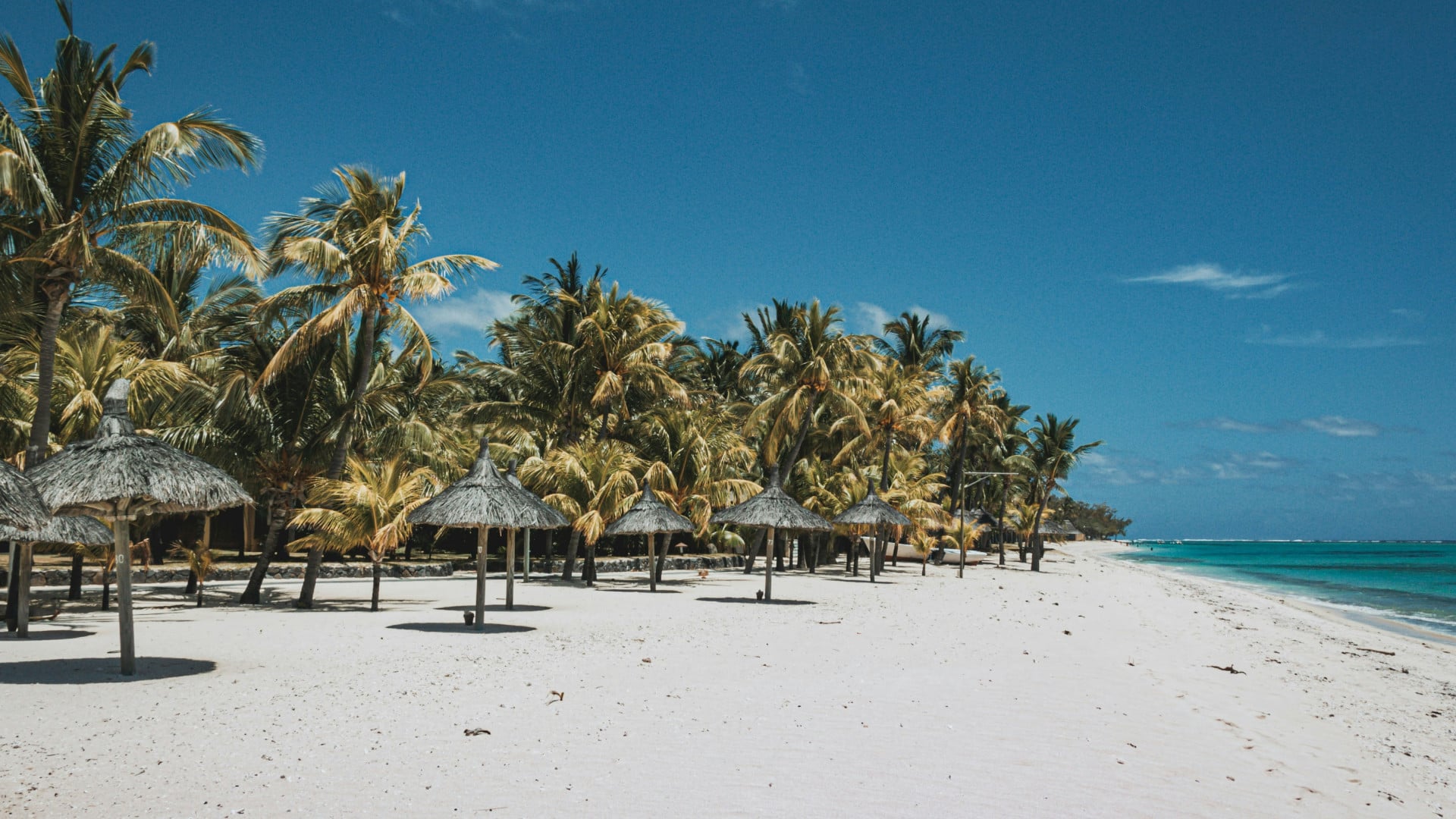
Official figures, geography, currency, prices, flights and climate: exactly what changes from one island to the other.
2,040 km², about 1.3 million residents. More densely populated than Reunion Island.
2,512 km², about 870,000 residents. Bigger but less densely populated.
An independent republic since 1968, a Commonwealth member. Capital: Port Louis.
A French overseas department and region since 1946. Main town: Saint-Denis.
English (administration), Mauritian Creole (spoken), French widely used. Many people are trilingual, which makes it easy going for English speakers.
French (official), Reunion Creole (everyday use). English is rarely spoken outside tourist areas, so a few words of French go a long way.
Mauritian rupee (MUR). €1 ≈ 50 MUR. Cards are widely accepted.
Euro (€), since the island is part of France and the EU. French banks, and cards work as they do in mainland France.
From Paris: about 11 hours direct, with Air Mauritius, Air France or Corsair, plus seasonal flights from Beauvais. From elsewhere: check the connections from your home airport.
From Paris: about 11 hours direct, with Air Austral, Air France, Corsair or French Bee, with daily flights. From elsewhere: check the connections from your home airport.
French nationals get a free 90-day visa on arrival and need a passport. Other nationalities: check the official rules for your passport.
No visa for French and EU nationals, an ID card is enough (it's a French department). Other nationalities: check the entry rules for your passport.
Tropical maritime, a milder southern-hemisphere winter (22-26°C in July). Sea temperature 22-28°C.
A contrasted tropical climate, a cooler southern-hemisphere winter (18-25°C in July). Sea temperature 22-28°C depending on the west coast.
An almost unbroken lagoon around the island (300 km of beaches), fine white sand. Mauritius's strength.
The lagoon is limited to the west coast (Saint-Gilles to Étang-Salé, 25 km). The rest is wild coastline or cliffs.
Peaks of 600 to 828 m at most (Piton de la Petite Rivière Noire). Hiking exists but stays modest.
Piton des Neiges at 3,070 m, an active volcano at 2,632 m, three cirques, over 1,000 km of marked trails.
An Indo-Creole-Chinese-French blend: briani, dholl puri, chilli cakes, vindaye, fried noodles.
A well-defined Creole cuisine: sausage rougail (a spicy tomato-based stew), chicken curry, chayote gratin, samosas, sweet-potato cake.
A high density of all-inclusive resort hotels (Beachcomber, LUX, Constance), lagoon bungalows.
More rural gîtes, Creole cottages, independent hotels. Few resort chains, few all-inclusive options.
About 1.3-1.4 million visitors a year. An economy heavily oriented towards international tourism.
About 500,000 visitors a year, mostly from mainland France. A more niche market.
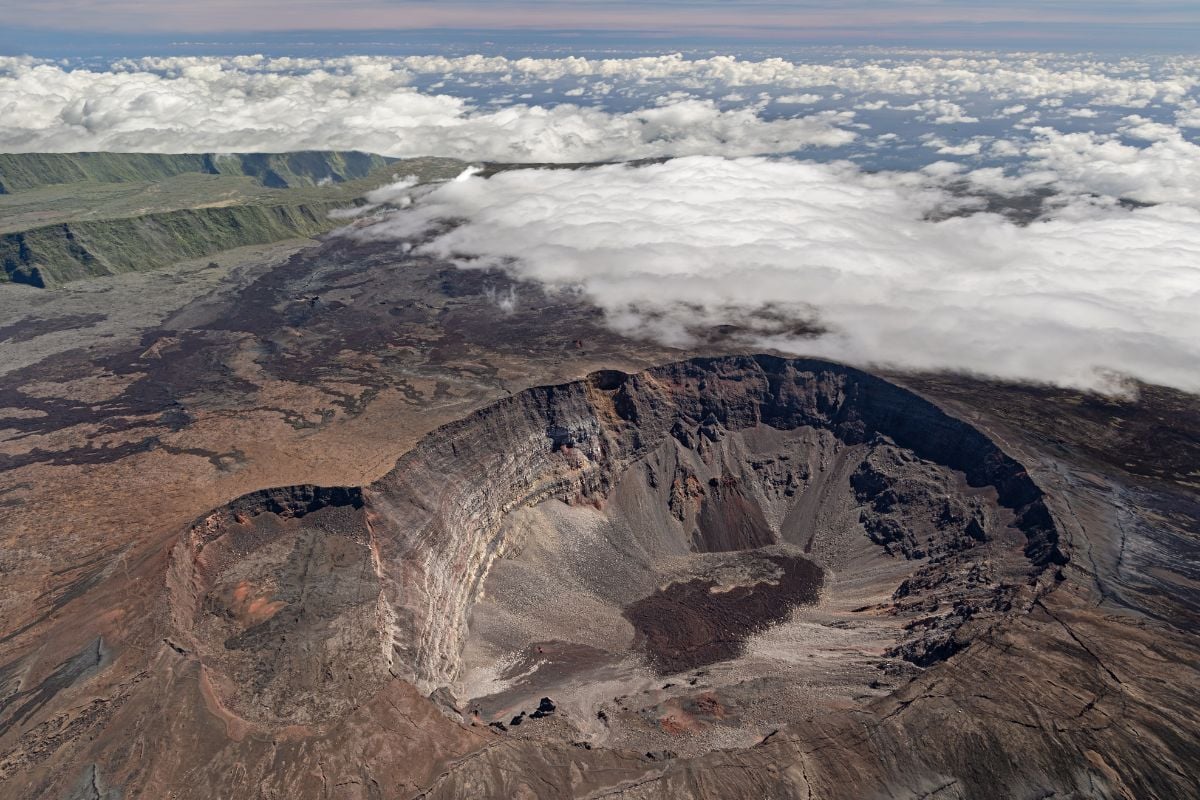
Six typical profiles, each with a reasoned recommendation. Where both islands hold up equally well, combining them can be the best answer.
An all-inclusive resort by the lagoon, deserted beaches, upscale spas, golf and boat trips on request. Hotel standardisation is an asset here.
A protected lagoon, flat and safe beaches, kids' clubs in hotels, English-speaking doctors available. Daily life simplified by hotel services.
Three cirques, the GR R1 and GR R2 trails, Piton des Neiges, Piton de la Fournaise, marked trails, mountain gîtes, UNESCO primary forests. Nothing comparable on Mauritius.
Camping allowed in marked zones, affordable ONF (state forestry office) gîtes, French supermarket chains and prices you can plan around. Van rentals at €50-90/day. No currency exchange if you already use euros.
Paragliding in Saint-Leu, canyoning, helicopter flights, enduro mountain biking, surfing in Saint-Leu, coral diving. Mauritius has kitesurfing and diving, but Reunion Island packs in far more adrenaline.
Mauritius for Indo-Mauritian cuisine (Port Louis street food, the central market), Reunion Island for sausage rougail, curry and Creole festivals. Visiting both in 10-15 days is doable via an inter-island flight (45 min, Air Austral or Air Mauritius).
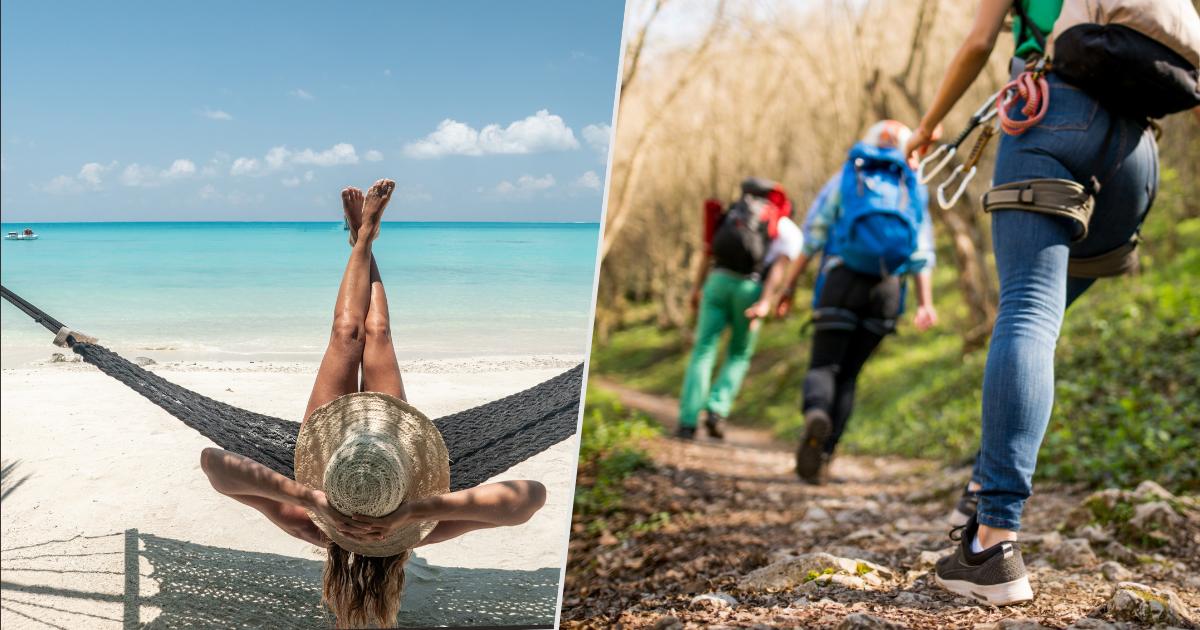
Instead of choosing, many travellers prefer to string both islands together. The inter-island flight takes just 45 minutes and costs €200-350 return.
Arrival at SSR (Sir Seewoosagur Ramgoolam), staying on the west or north coast. Itinerary: lagoon downtime, scuba diving, Île aux Cerfs, Pamplemousses, Le Morne, the Seven Coloured Earths in Chamarel, Port Louis (the central market, Le Caudan).
A 45-minute inter-island flight to Saint-Denis or Saint-Pierre. Itinerary: a driving tour of the island, climbing Piton des Neiges, hiking in Mafate, the Piton de la Fournaise volcano, diving in Saint-Leu, whale watching from June to October, the Saint-Paul market.
Page updated in September 2026.