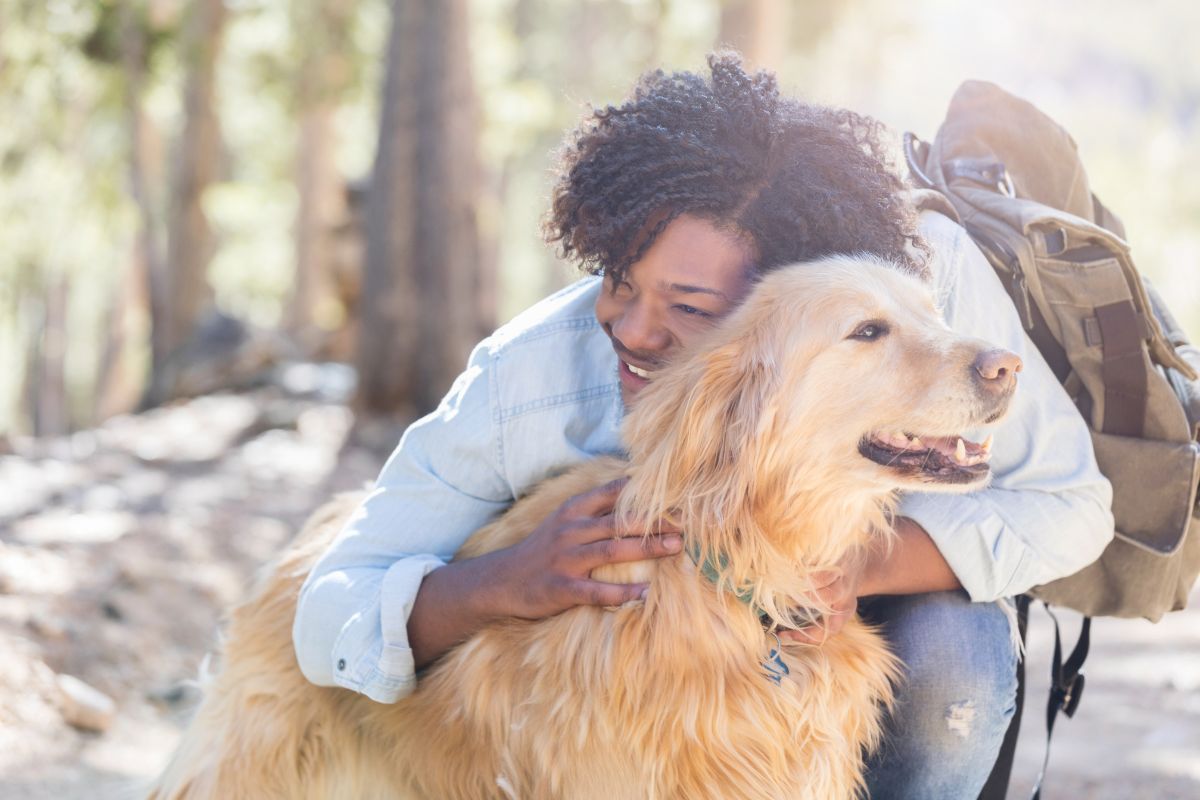
Reunion Island with a dog: walks, hikes, requirements
Beaches that allow dogs on a lead, dog-friendly trails outside the Park's core, gîtes that accept pets, health entry requirements (4-6 months of preparation), air travel: everything for a relaxed trip with your dog.
Reunion Island welcomes dogs, under conditions
Travelling to Reunion Island with your dog is entirely possible, but it takes planning: 4 to 6 months for the health entry procedures (a rabies-free zone), booking an air-conditioned hold spot with the airline at the same time as your ticket, and choosing accommodation among the still-limited number of pet-friendly places on the island.
Once there, dogs are allowed on a lead at most beaches outside swimming hours, on many trails in the National Park's outer zone, and in the shaded forests of the highlands. A few strict no-go areas: Mafate (the Park's core), the Hermitage lagoon (Marine Reserve), and certain beaches that get very busy during the day.
This page covers the topic from end to end: six suitable spots for a walk (with difficulty and specifics), a table of authorised beaches, the six-step health entry procedure, dog-safety tips for the tropical climate, and a detailed FAQ.
Six dog-friendly spots
Beaches, forests, a coastal trail, a lunar plateau: six dog-friendly playgrounds, with difficulty level and specific rules.
| # | Location | Type | Difficulty | Notes |
|---|---|---|---|---|
| 01 | West coast beaches outside the lagoon (Boucan-Canot, Roches Noires, Étang-Salé) | Beach | Easy | On a lead, outside swimming hours (before 8am / after 6pm) |
| 02 | Forêt du Tévelave (Les Avirons) | Shaded trail | Easy to moderate | Ideal in the hot season, quiet on weekdays |
| 03 | Forêt de Bélouve / Trou de Fer | Forest trail | Moderate | Dogs allowed on a lead up to the Trou de Fer viewpoint |
| 04 | Cap Méchant coastal trail (Saint-Philippe) | Basalt cliffs | Easy | Sea spray, watch for gaps in the rock and waves. On a lead |
| 05 | Saint-Pierre / Saint-Leu seafront | Urban walk | Very easy | On a lead at certain times, mandatory to pick up after your dog |
| 06 | Plaine des Sables (at the foot of the volcano) | Lunar plateau | Easy (road + trails) | Open space, accessible by car, dogs love it |
These six spots are spread across the island, from the west coast beaches to Cap Méchant in the far south. Bélouve is reached up a forest road and the Plaine des Sables by car, so stringing them together with a dog is far easier when you're driving. When you look through rental cars on Discover Cars, check directly with the company you pick whether it accepts an animal in the car, and on what terms, before you book.
Which beaches allow dogs?
The general rule: dogs are tolerated on a lead outside swimming hours (before 8am and after 6pm recommended), with mandatory clean-up. A handful of beaches are strictly off-limits, to protect the Marine Reserve or keep supervised swimming areas calm. For the precise beach-by-beach breakdown on the west coast, see the official source from the west Reunion Island tourist office.
| Beach | Commune | Dogs | Timing |
|---|---|---|---|
| Boucan-Canot | Saint-Paul | Allowed on a lead outside supervised areas | Before 8am and after 6pm recommended |
| Roches Noires (Saint-Gilles) | Saint-Paul | Tolerated on a lead outside the swimming area | Outside peak tourist season |
| Plage de l'Hermitage (lagoon) | Saint-Paul | Banned within the Marine Reserve zone | No exceptions |
| La Saline-les-Bains | Saint-Paul | Tolerated on a lead outside swimming hours | Before 8am and after 6pm |
| Étang-Salé-les-Bains (black sand) | Étang-Salé | Allowed on a lead, watch out for very hot sand at midday | Early morning or late afternoon |
| Grande Anse (Petite-Île) | Petite-Île | Tolerated on a lead outside the supervised area | Outside peak hours |
| Plage de Manapany (Saint-Joseph) | Saint-Joseph | Tolerated on a lead | A quieter beach |
| Cap Méchant coastal trail | Saint-Philippe | Allowed on a lead | All day |
The six-step health procedure
Since Reunion Island is a rabies-free zone, bringing a dog in from mainland France requires specific health procedures. Allow 4 to 6 months of preparation for a first trip. The steps below apply to dogs coming from mainland France: from any other country, check the current rules with the DAAF Réunion.
| # | Step | Timing | Details |
|---|---|---|---|
| 01 | Identifying your dog (microchip or tattoo) | Before anything else | Mandatory in France and for travel. Done at the vet (€50-80). Registration in the i-CAD database. |
| 02 | Rabies vaccination | ≥ 30 days before travel | Mandatory vaccine to enter Reunion Island (a rabies-free zone). Valid for 1 to 3 years depending on the vaccine. Vet fee €35-60. |
| 03 | Rabies antibody titration test | ≥ 30 days after vaccination, < 12 months before travel | A vet blood sample sent to an approved lab (Anses Nancy in France). Results within 15 days, validity varies. Fee €70-130. Antibody level of ≥ 0.5 IU/ml required. |
| 04 | Veterinary health certificate | < 10 days before travel | An official document issued by the vet after a clinical exam. Certifies the dog is fit to travel. Consultation fee €50-100. |
| 05 | Booking an air-conditioned hold spot with the airline | When booking your ticket (4-6 months ahead) | Air Austral, Air France, Corsair, French Bee: a limited number of animal spots per flight. An IATA-approved travel crate is mandatory (€110-250 depending on size). Transport fee €200-500. |
| 06 | Preparing your dog (crate, travel, fatigue) | 1-3 months ahead | Gradually get your dog used to its travel crate. Book a vet check-up a month ahead to assess fitness for the long-haul flight (11 hours). |
Detailed information and the list of approved labs for antibody testing: DAAF Réunion (Directorate for Food, Agriculture and Forestry), at daaf.reunion.agriculture.gouv.fr.
The most common questions
Can you bring your dog to the beaches in Reunion Island?
Are dogs allowed in Reunion Island's National Park?
Which hikes work with a dog in Reunion Island?
Can you find gîtes that accept dogs in Reunion Island?
How do you bring your dog to Reunion Island from mainland France?
Which airlines accept dogs to Reunion Island?
What are the health risks for a dog in Reunion Island?
Can you take your dog to Piton de la Fournaise?
Are there vets across the whole island?
Keep reading
- → Animal welfare in Reunion Island: the situation, how to report it, associations.
- → Planning a trip to mainland France: travelling with your pet to mainland France.
- → All the news from Reunion Island.