01
Earl des Alizés (L'Étang-Salé)
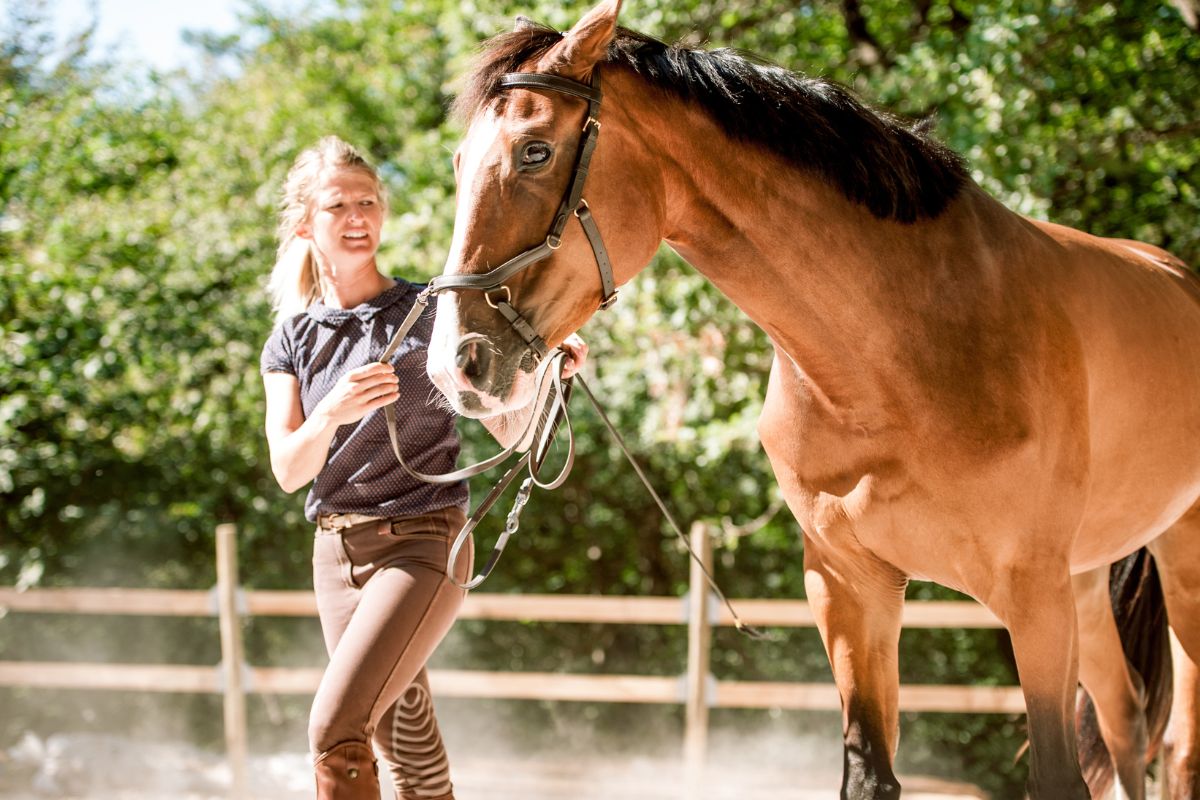
Half-day pony rides and treks in the L'Étang-Salé forest
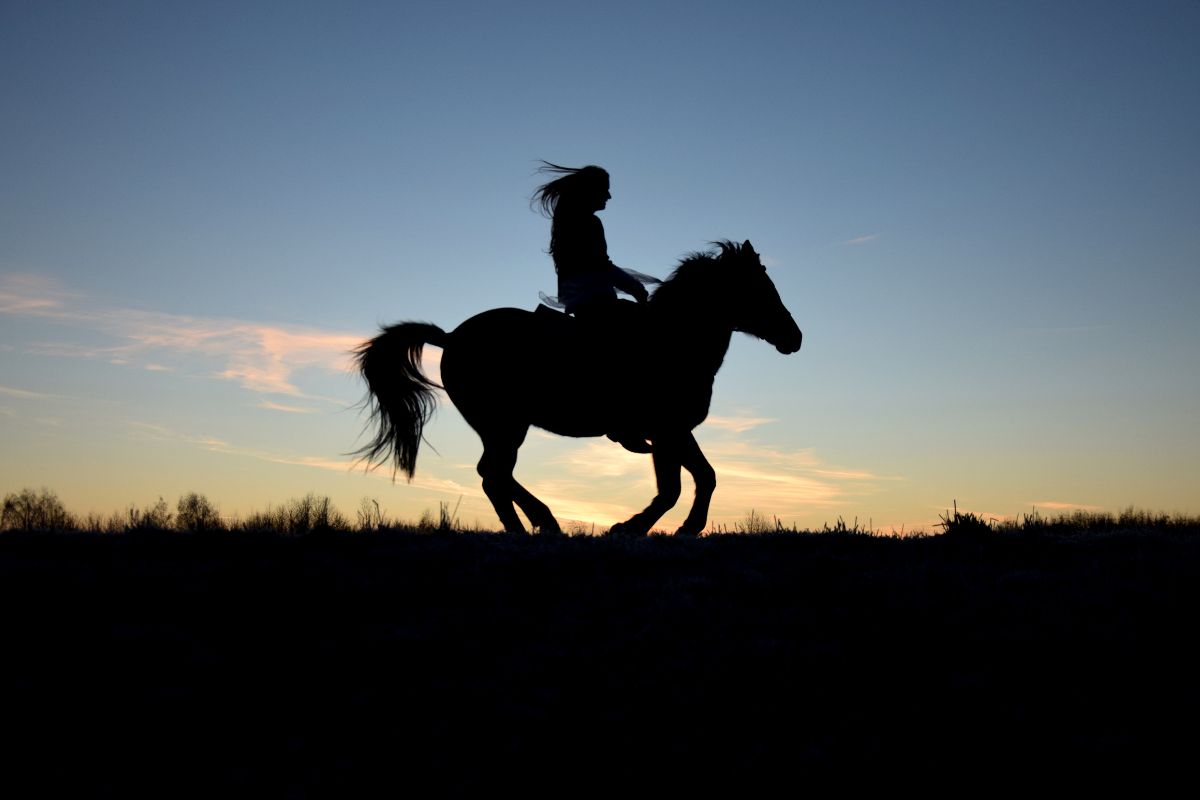
The right saddle, a sturdy halter, a riding hat and the right clothes: everything you need to ride Reunion Island's mountain trails comfortably, for you and your horse. Over 40 riding centres across the island offer rides and courses.
Trekking in Reunion Island calls for slightly different kit from a typical riding-school hack in Europe. Three things shape your choices: the tropical climate (heat plus humidity means lots of sweat, so a thick, well-ventilated saddle pad and saddle are essential), the long climbs in the hills (up to 1,500m of ascent on some full-day treks) and the basalt sections, sometimes polished smooth and slippery, where hoof boots over normal shoes can be worthwhile.
For headgear (halters, lead ropes, bridles), a specialist like horse halters offers a wide range of styles (rope, leather, nylon, sizes from Shetland to draught horse), with matching or separate lead ropes.
To prepare for a trek properly, it's also worth reading this blog article written by the Hudada team (in French), which covers best practice for horse and rider from A to Z, from choosing your gear to getting both of you fit over several weeks before a proper trek.
For short rides at a riding centre, the basics are provided. For full-day treks and longer, bring at least the following.
| # | Equipment | Use | Typical budget |
|---|---|---|---|
| 01 | Riding hat certified to EN 1384 | Compulsory at riding centres, strongly recommended when riding independently | Provided by the centre · to buy €30-80 |
| 02 | Riding trousers with a reinforced seat | Comfort and less chafing on long rides | €30-100 (Decathlon, Equiline, Pikeur) |
| 03 | Jodhpur boots or long riding boots | Ankle support, secure grip in the stirrup, protection from scrapes | Jodhpur boots €60-150 · long boots €100-300 |
| 04 | Riding gloves | Protect your palms from rein rub | €10-40 |
| 05 | Rain jacket + light fleece | Changeable mountain weather (5-18°C in the southern winter) | Rain jacket €40-150 · fleece €25-80 |
| 06 | 1-2L water bottle + small backpack | Water, picnic and first-aid kit | €20-60 for the bag |
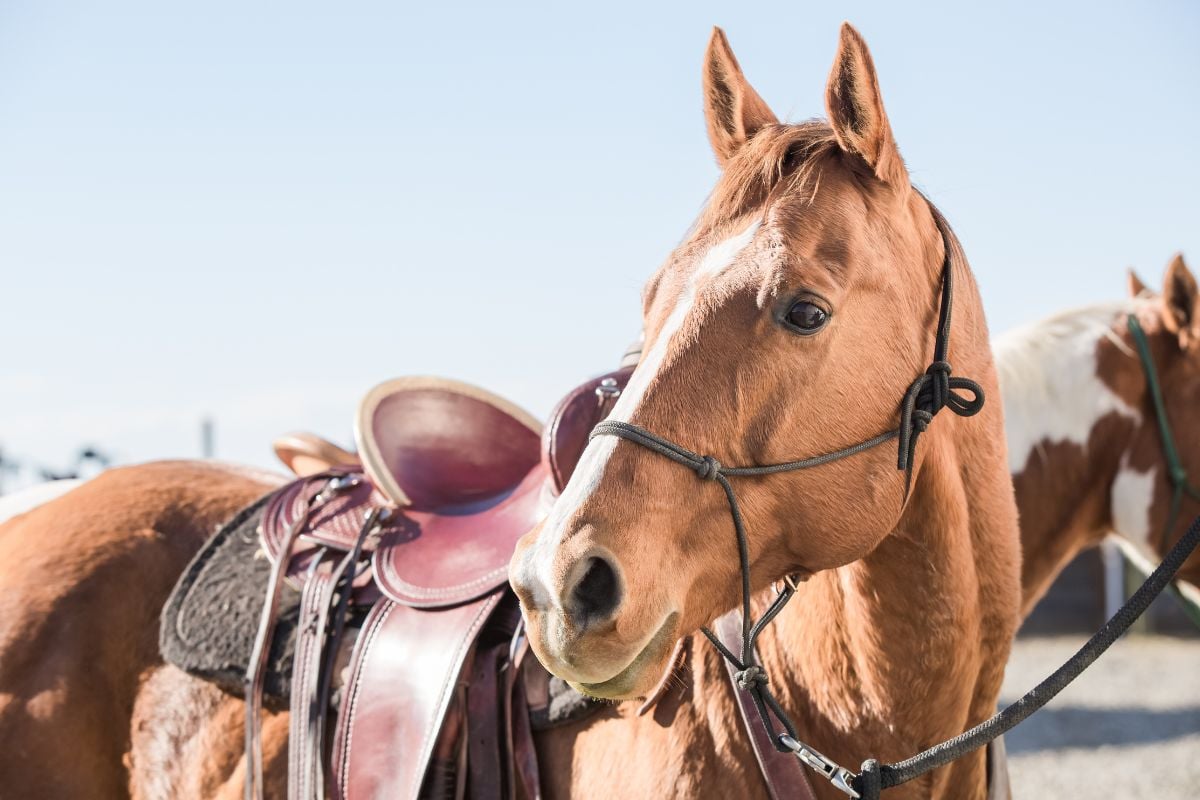
On riding-centre rides, everything is provided. If you're riding your own horse, here's the full list with prices new. Look at second-hand too (riding clubs, specialist sites): you can save 30 to 60% on the saddle, the biggest expense.
| # | Item | Role | Budget |
|---|---|---|---|
| 01 | Endurance saddle (or western) | Comfort over long distances, good leg support | Endurance €600-2,500 · western €800-3,000 |
| 02 | Thick, breathable saddle pad | Wicks away sweat in the tropical heat, protects the back | €30-120 (foam, gel or wool) |
| 03 | Girth + girth cover | Keeps the saddle in place on steep climbs and technical sections | €20-80 |
| 04 | Bridle or hackamore | Steering and control; choose according to the horse's temperament | €60-200 |
| 05 | Sturdy halter and lead rope | Handling on the ground, tying up at the overnight gîte | €20-70 |
| 06 | Hoof boots or studded shoes | Grip on slippery basalt and in lava tubes | Hoof boots €100-250 a pair |
| 07 | Endurance saddle bags | Picnic, first-aid kit, water, rider's clothing | €60-200 a pair |
| 08 | Cooling rug / rump rug | Rest stops at the gîte, cooling down after exercise, rain | €40-120 |
Beginners often think the reins do all the work. They don't. Steering a horse means using three aids at once:
On technical sections (a steep descent, a ford, steps cut into the basalt), give the horse its head and let it find its own balance. Pulling on its mouth while it's picking its way over unstable ground is the surest way to bring you both down.
Reunion Island has more than forty active riding centres, mainly in the west, the south and the hills. All offer first-time rides, and most also run half-day and full-day treks. A few specialists organise 2-5 day treks with nights camping or in gîtes (rural guesthouses).
Here are six of the best-known and most active, alongside the many small family-run centres not listed here. Seaside or forest rides can usually be booked 24-48h ahead; for longer treks, allow at least 7-15 days.
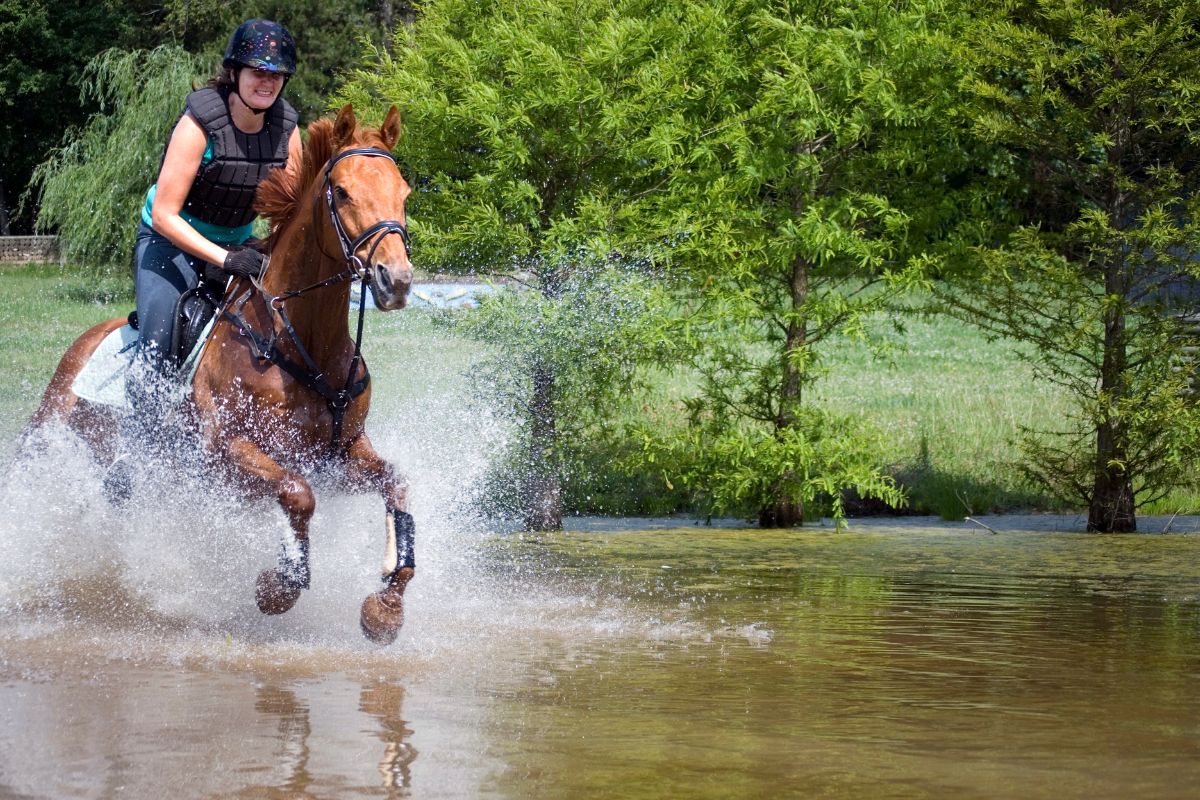
Half-day pony rides and treks in the L'Étang-Salé forest
L'Étang-Salé state forest, shaded trails, family rides
Seaside rides and rides in the hills of the west
Lessons, livery and rides in the wild south
High-altitude trails with views over Mafate, mountain conditions
Mid-altitude forest, shade and moderately technical trails
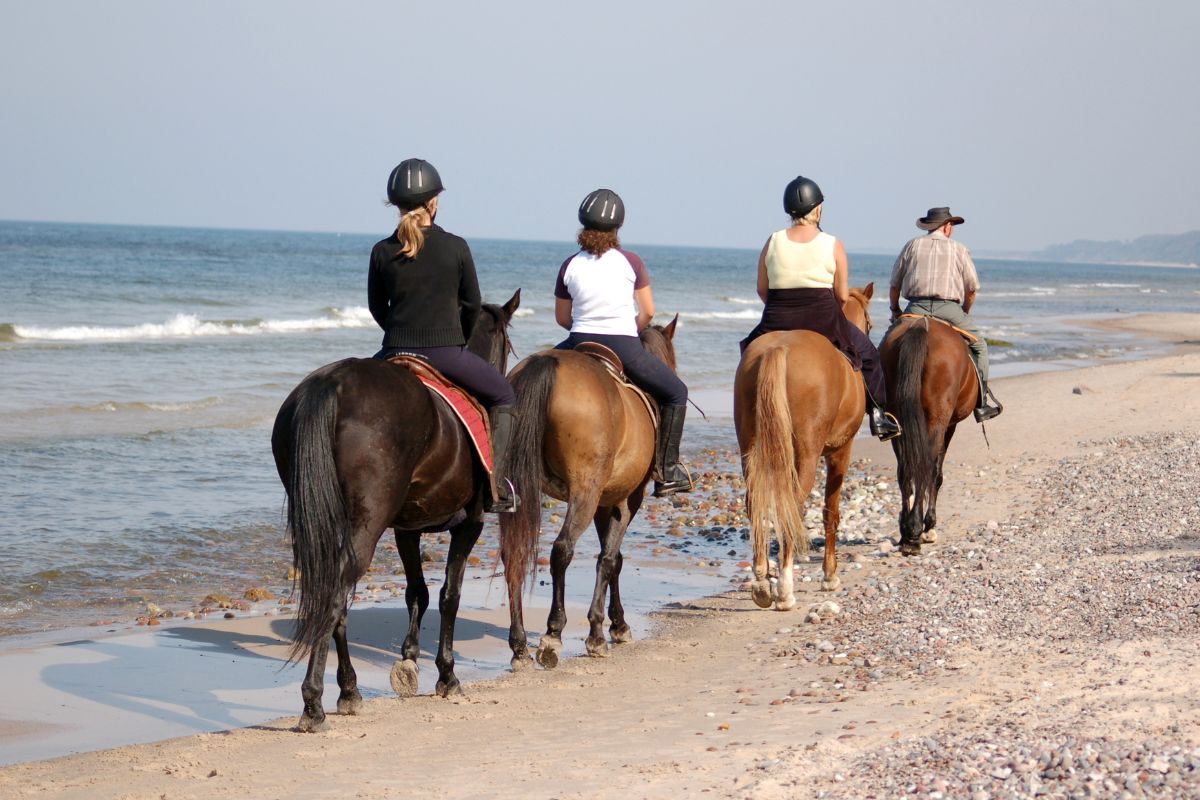
Riding by the sea sounds like a dream. In Reunion Island, several centres offer beach rides, mainly at L'Étang-Salé (south-west coast), Saint-Leu and the wild south. The gallop is usually saved for the end, on smooth, rock-free stretches, with seasoned horses and experienced riders (Galop 4 minimum, ideally Galop 5 on the French grading scale).
On the beach: avoid high tide (hidden rocks), never gallop in front without checking the ground first, and rinse the horse with fresh water after a swim in the sea to avoid irritation. Hooves can pick up sharp shells, so always check them at the end of the ride.
Beyond a first ride, several centres run week-long or fortnight-long riding courses: typically 2-3h in the saddle a day, mixing flatwork with outdoor riding, horse care and theory. Budget €400-800 a week, not including accommodation.
For children, riding centres use the French Galop grades (levels 1 to 7), which certify skills as riders progress. Summer courses (July-August, school holidays) often combine pony sessions for the youngest with Galop 1-4 courses for older children.