01
Brand-new boots on the day
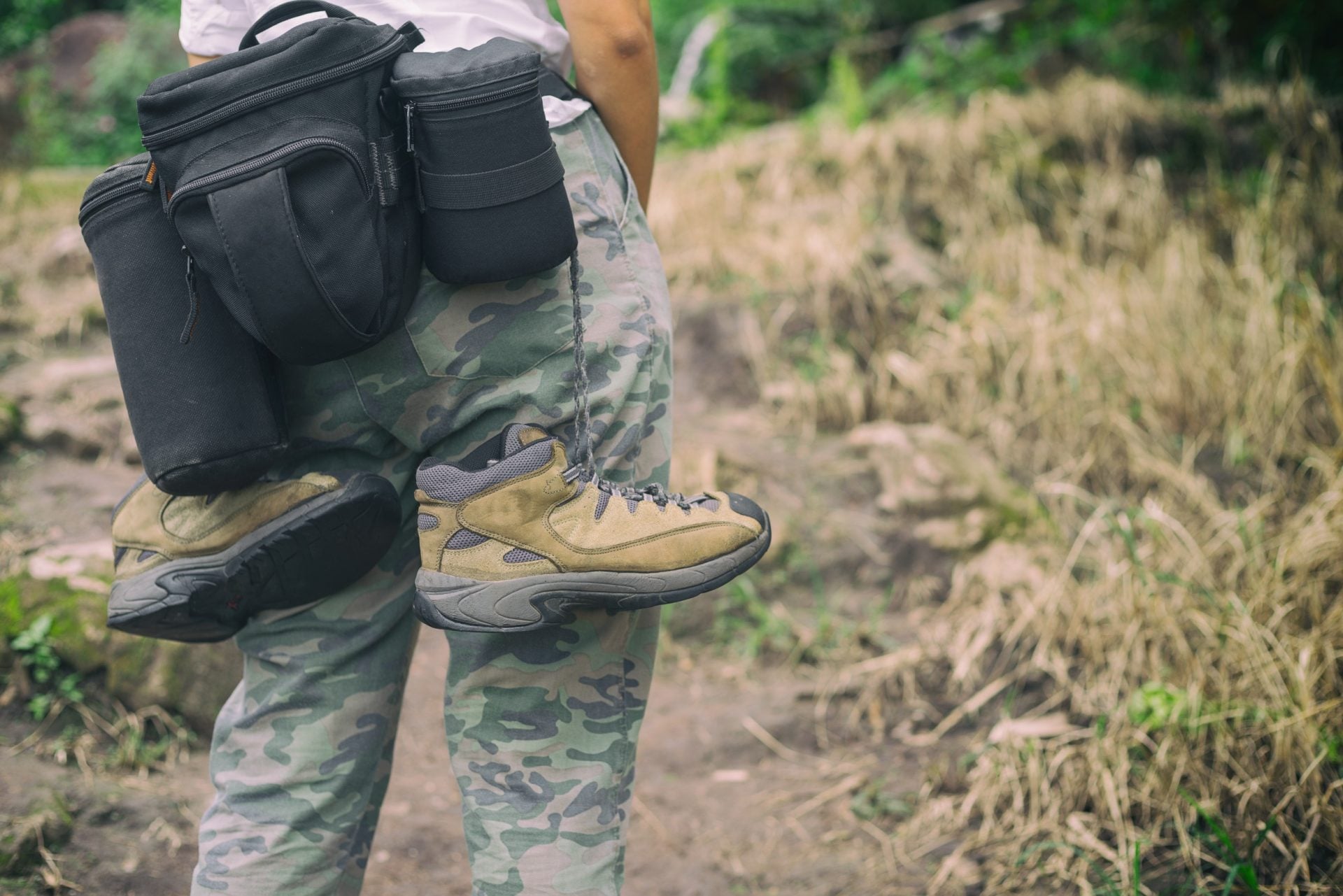
Break your boots in on 2-3 short walks before the big hike, or blisters are guaranteed. Ideally buy them a month before you leave.
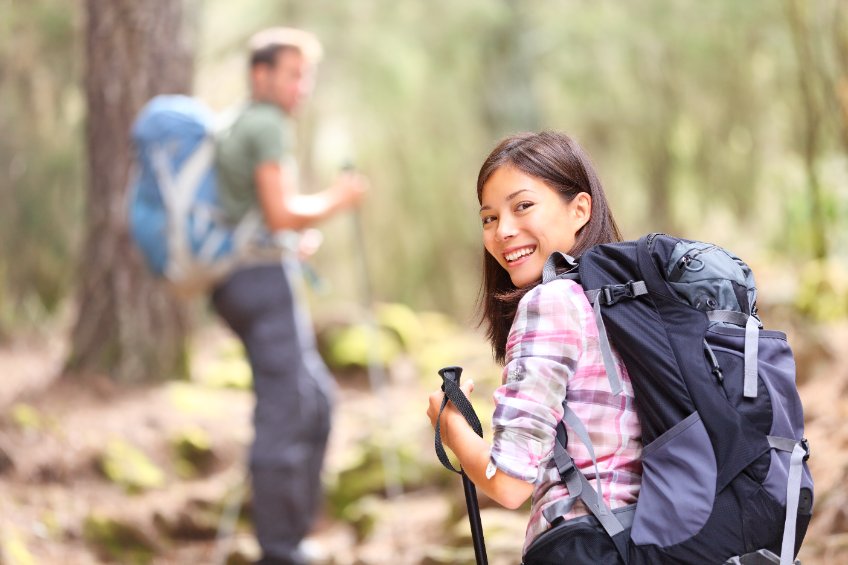
The 3-layer clothing system explained, plus boots, backpacks and the essentials: a hiking gear checklist that works in Reunion Island or anywhere else, with real 2026 prices and the beginner mistakes to avoid.
The 3-layer rule works as well in the Alps as on the heights of the Maïdo: a base layer that wicks sweat away, a mid layer that keeps you warm and an outer layer that keeps out wind and rain. You add or remove layers as the effort and weather change, rather than being too hot or too cold. Every serious outdoor brand has backed this system since the 1980s (Patagonia, The North Face, Arc'teryx, Salomon, Decathlon), and every good guide recommends it.
For camping gear and some survival accessories (a knife, a whistle, a fire-starting kit, a light sleeping bag, an army-style water bottle), a French military and survival surplus store can usefully round out a standard outdoor kit, often at prices 30 to 50% lower than premium brands. Military gear is built to last in tough conditions, which makes it a good choice for long bivouacs and demanding hikes.
Each layer has its own job, and they work together. Get one wrong and the whole system suffers.
| Layer | Name | Role | Material | Budget |
|---|---|---|---|---|
| 1 | Base layer | Wicks sweat away from the skin, keeps it dry | Quick-dry synthetic or merino wool | €20-80 |
| 2 | Mid layer | Traps warm air while letting moisture out | 100-200 g/m² fleece or a compressible down jacket | €30-150 |
| 3 | Outer layer (shell) | Protects from wind, rain and snow | Breathable membrane (10,000mm+) with taped seams | €60-400 |
Everything for a complete hiking kit, with real 2026 price ranges, from entry-level Decathlon gear to the premium equivalent from specialist brands (Salewa, Scarpa, Osprey, Patagonia, Arc'teryx).
| # | Item | What it does / what to look for | Budget |
|---|---|---|---|
| 01 | Hiking boots | Low, mid or high cut depending on the terrain, Gore-Tex waterproofing for rain, lugged Vibram sole | €80-250 |
| 02 | 25-35L backpack (day hike) | Hydration bladder sleeve, hip and chest straps, rain cover | €60-200 |
| 03 | 50-70L backpack (bivouac) | For 2-3 nights with a tent, sleeping bag and stove | €120-400 |
| 04 | Long-sleeve merino base layer | Works summer and winter, odour-resistant, quick-drying | €30-80 |
| 05 | 100-200 g/m² fleece | Your main warm layer: light and packable | €30-100 |
| 06 | Breathable rain jacket | 10,000mm+ membrane, adjustable hood, taped seams | €60-300 |
| 07 | Quick-dry technical trousers | Light, water-repellent, sometimes zip-off to shorts | €35-150 |
| 08 | Cap and category 3 sunglasses | Protection from strong overhead sun, essential at altitude | €20-100 |
| 09 | Head torch and spare batteries | Pre-dawn starts, hikes that run late, emergencies | €20-100 |
| 10 | Telescopic trekking poles | Save your knees on descents, very useful on Reunion Island's steep trails | €30-150 a pair |
| 11 | First-aid kit and emergency blanket | Blister plasters, antiseptic, whistle, foil emergency blanket | €20-60 |
| 12 | Water bottle / hydration bladder (1.5-2L) | Essential on Reunion Island trails (few places to refill) | €15-60 |
The classics every hiker makes at least once. Better to avoid them from the start.
Break your boots in on 2-3 short walks before the big hike, or blisters are guaranteed. Ideally buy them a month before you leave.
Cotton holds moisture, dries slowly and chills you when you stop. Avoid cotton T-shirts, jeans and sweatshirts; choose synthetic fabrics or merino wool instead.
Mountain weather changes fast, especially in Reunion Island, where showers build up over the peaks. Always carry the jacket, even if it's blazing sunshine when you set off.
For a day hike, 3-5kg is plenty (water, snacks, layers, first-aid kit); any more and you're carrying things you don't need. For 1-2 nights camping, aim for 8-12kg at most.
Loose laces on the way up let your foot slide around in the boot; laces that are too tight on the way down jam your toes against the front. The trick: lace the midfoot firmly and leave some room for your toes on descents.
Poles halve the strain on your knees going downhill, which makes a real difference on 1,000m descents like those in Reunion Island or the Alps. Even the cheapest pair pays for itself in a season.
The 3-layer system still applies, with a few tweaks. A merino base layer may feel warm in the tropics but is still useful at altitude (Piton des Neiges, 3,070m, can drop to 0°C at night in the southern winter). A thin fleece works better than a down jacket as the mid layer, as the cold is milder. The outer layer matters most: sudden showers build up over the Hauts (the island's highlands), even when the coast is baking in the sun.
Your boots must be waterproof (Gore-Tex or equivalent): trails are waterlogged in the rainy season (November-April), and there are ravines to cross and slippery basalt. A mid or high cut is better than low on technical trails like those in Mafate. For island-specific advice, with brands and local shops, see my dedicated page.